PROJECT OVERVIEW
Ryan and Katie hired Lotus Concrete Coatings LLC to professionally coat the garage floor, stem walls, and related garage surfaces. The total paid was $3,498.00. The garage was part of a new home and had been freshly finished and painted before the coating work because Ryan and Katie intended to use the space as a clean home office/workspace.
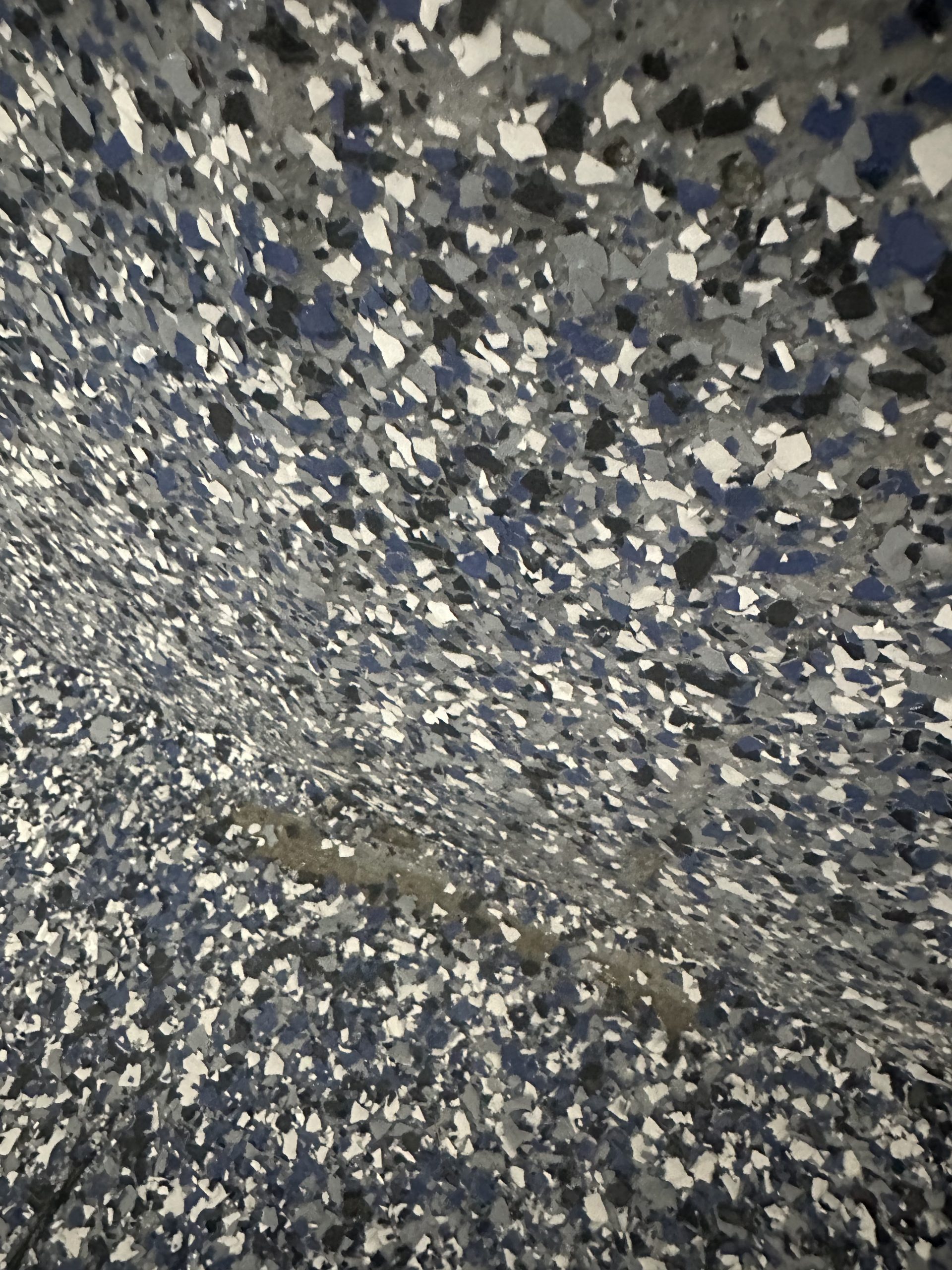
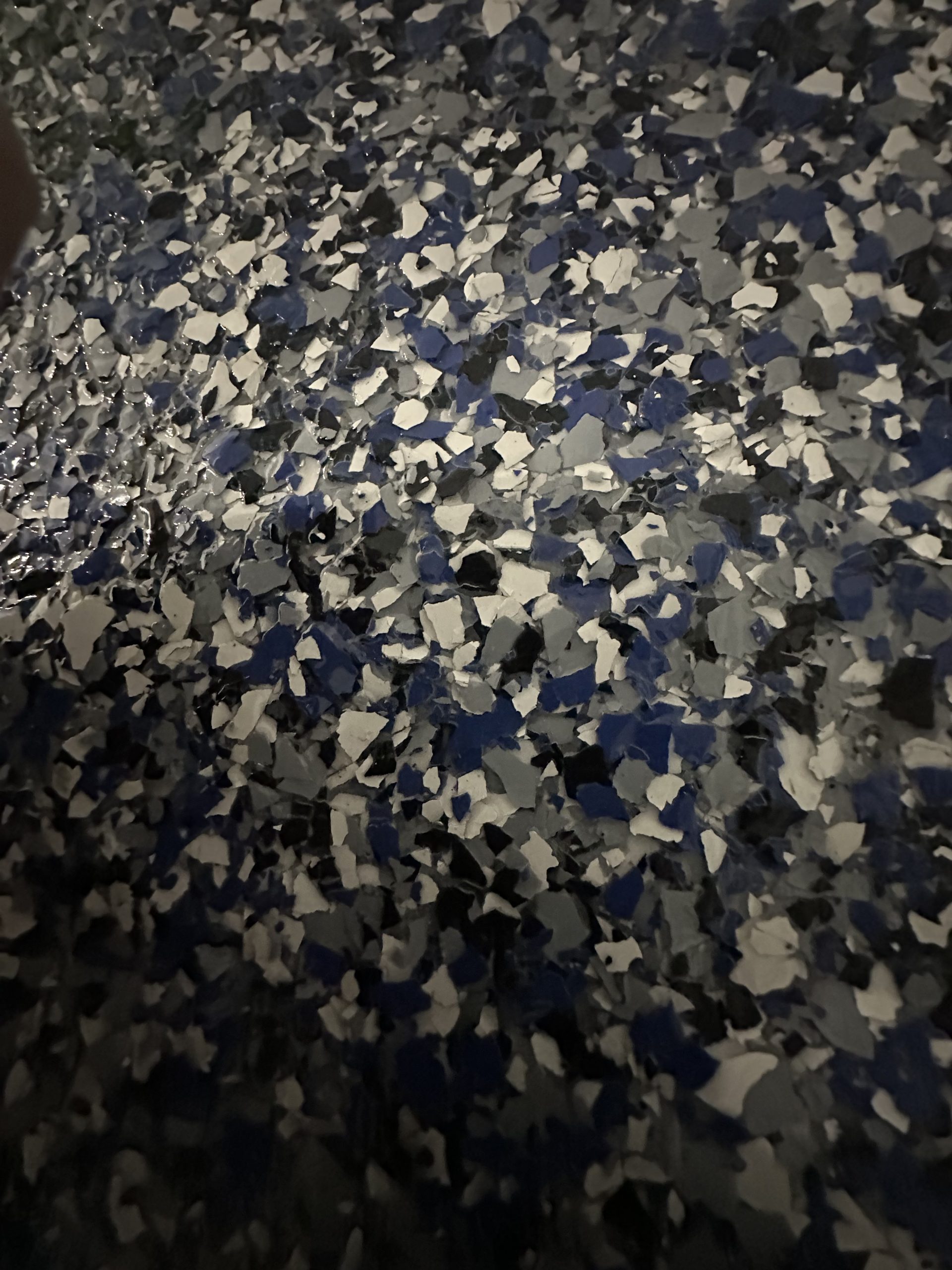
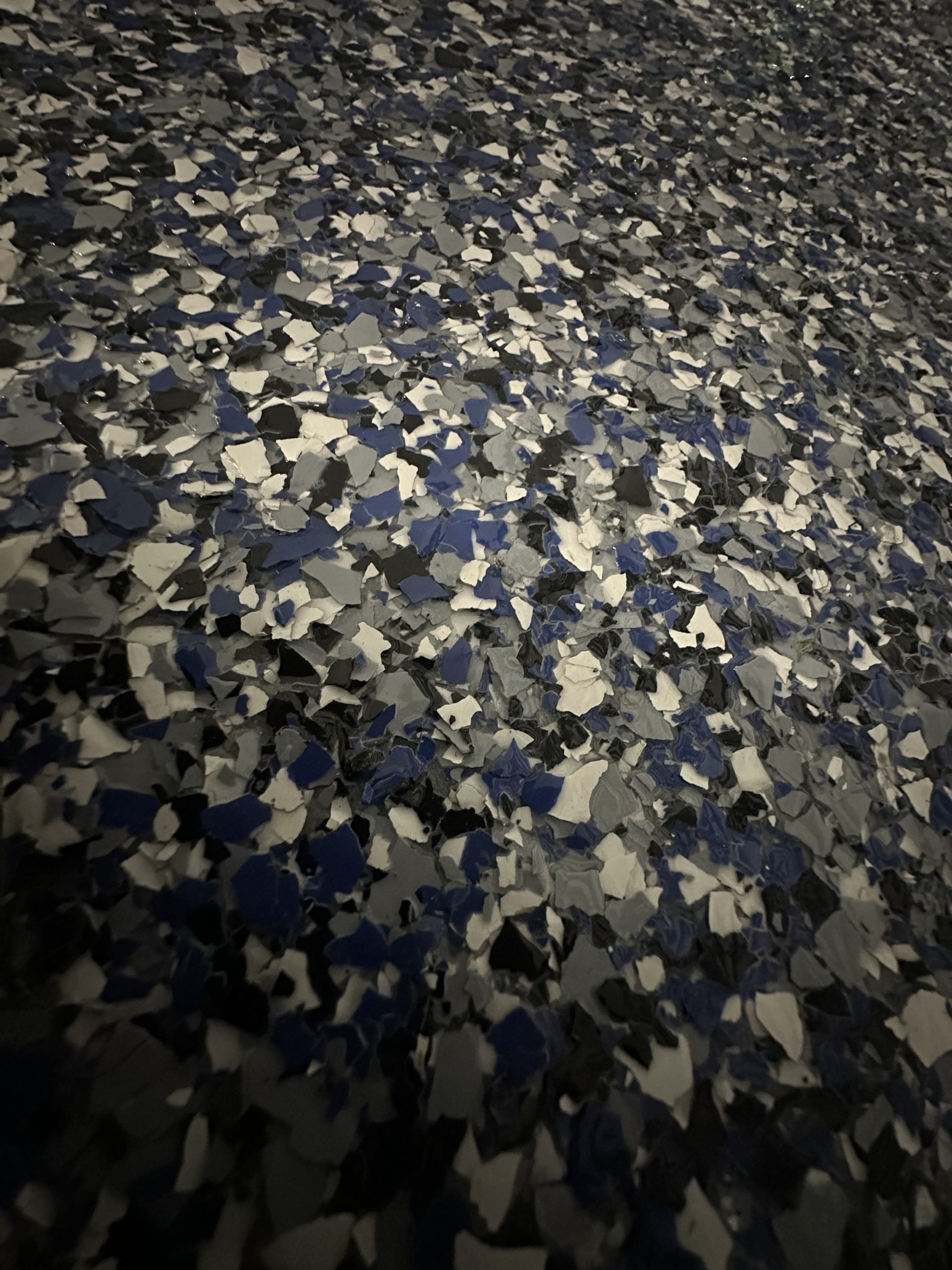
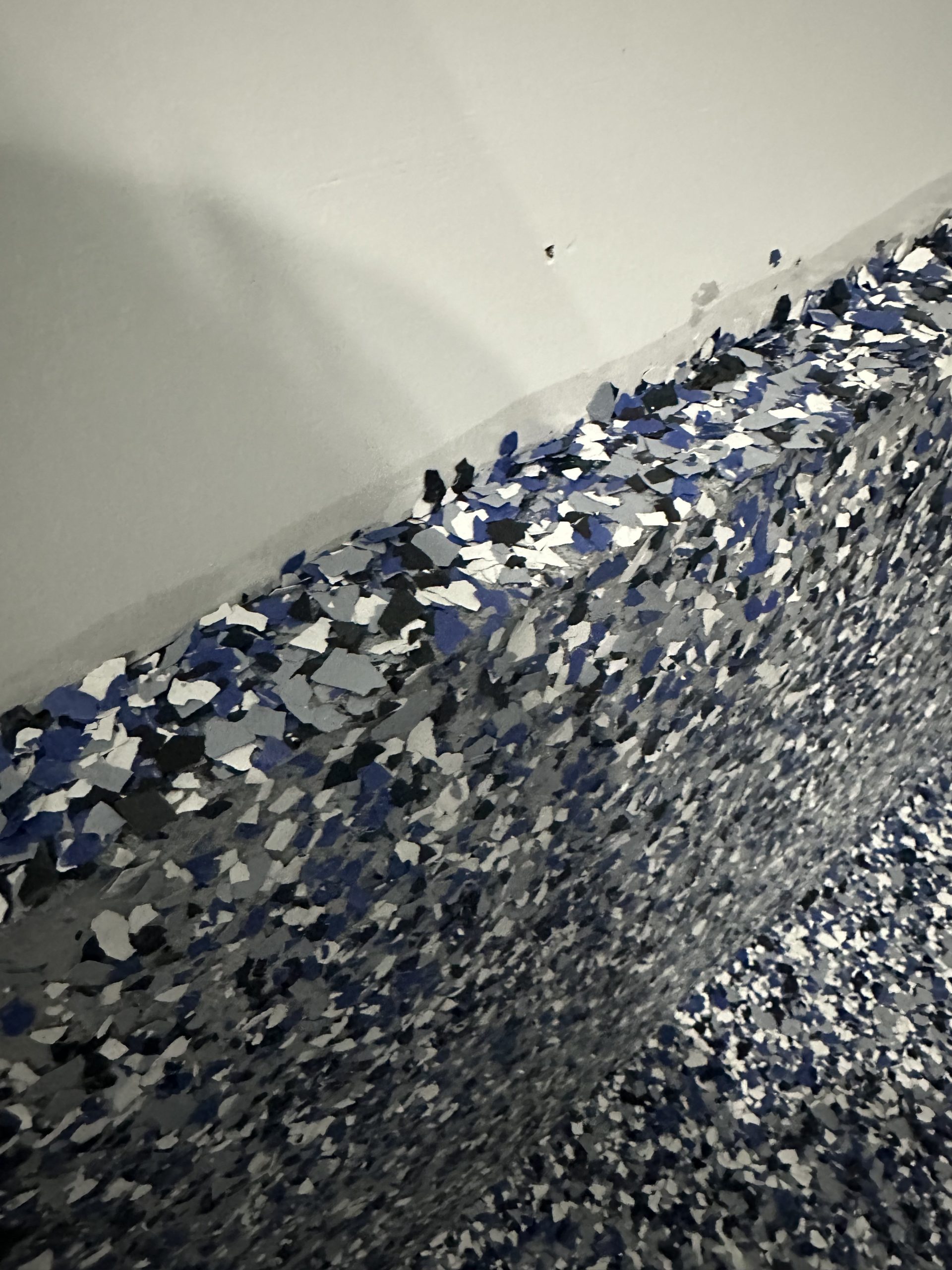
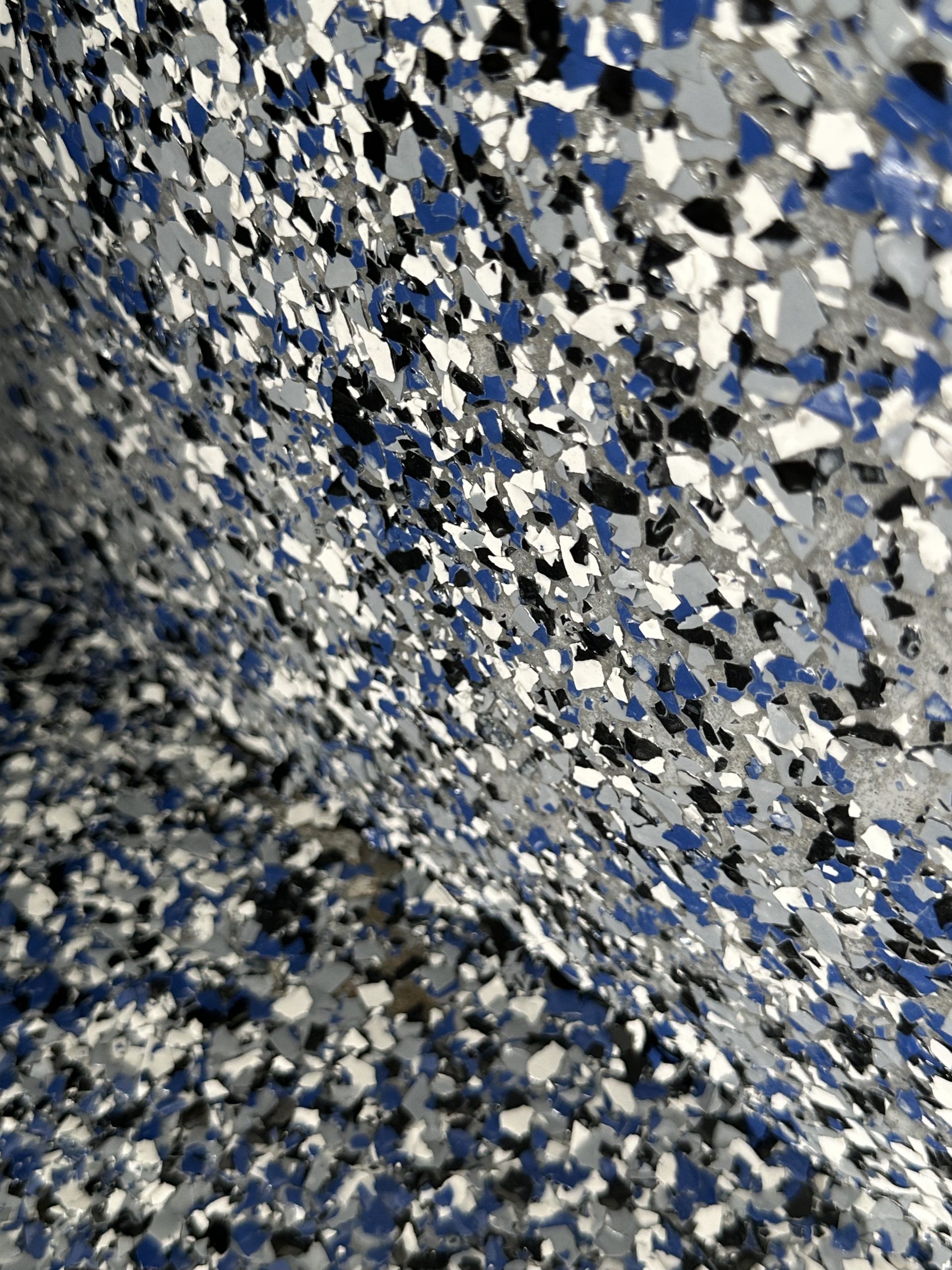
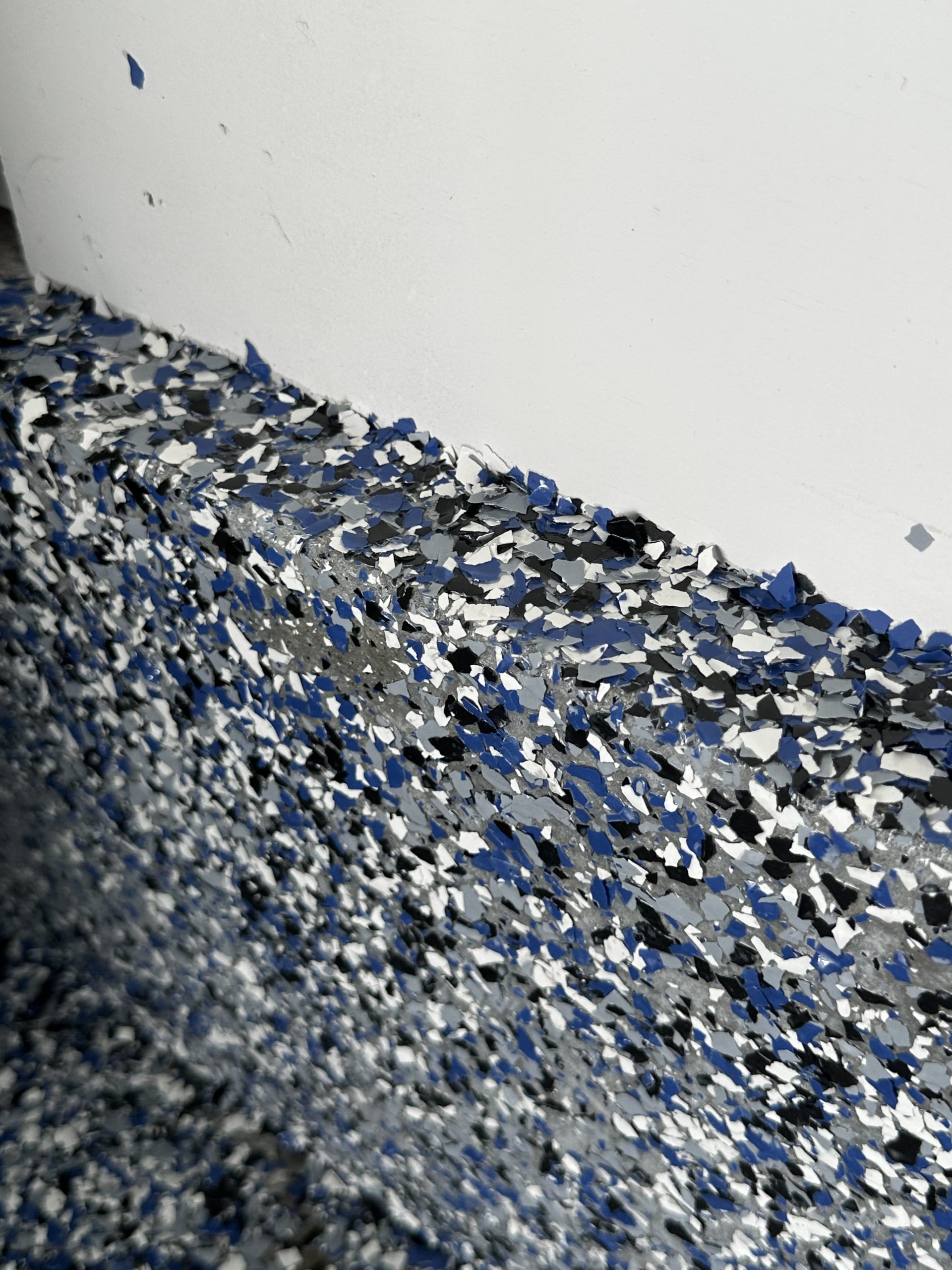
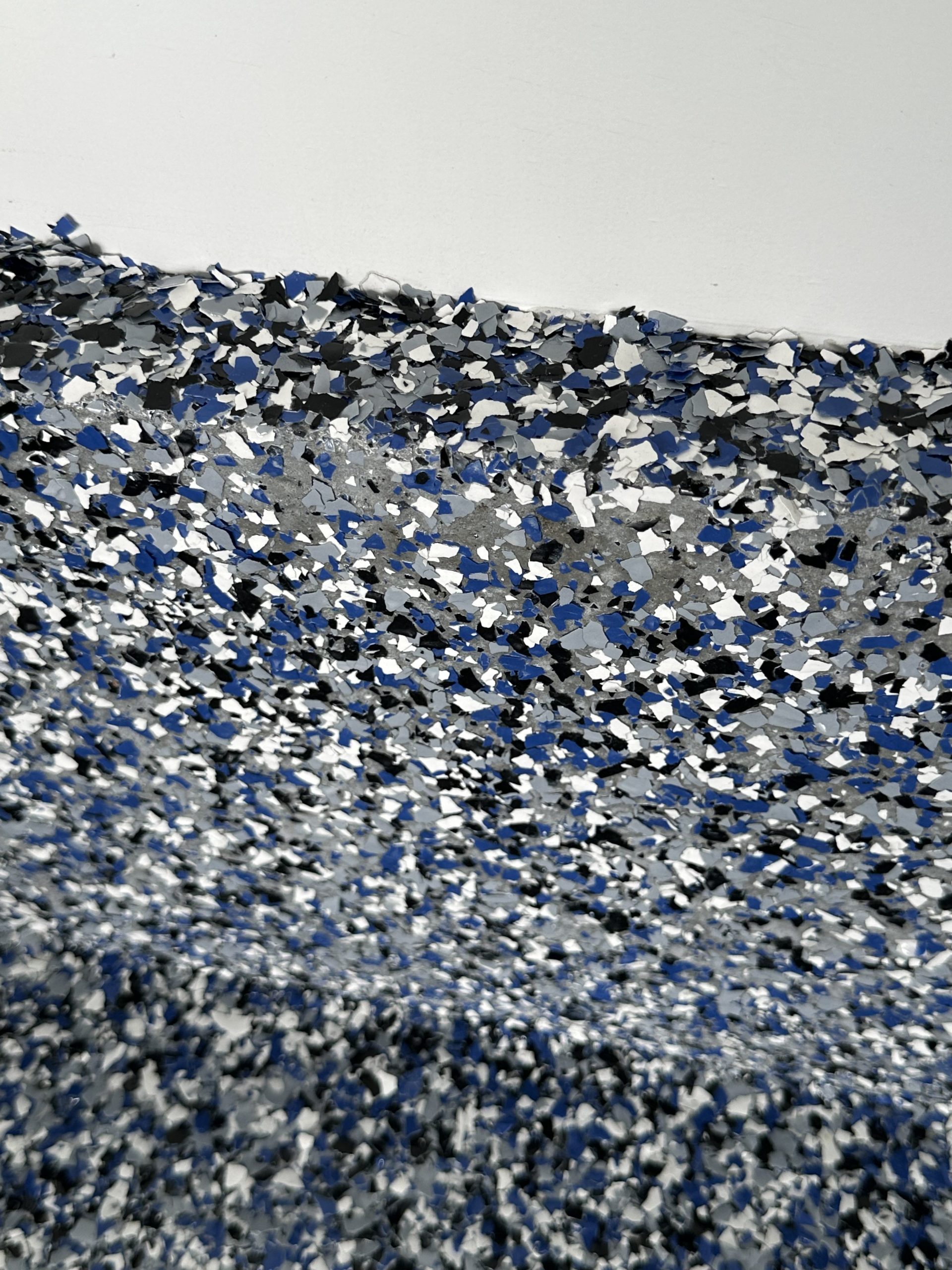
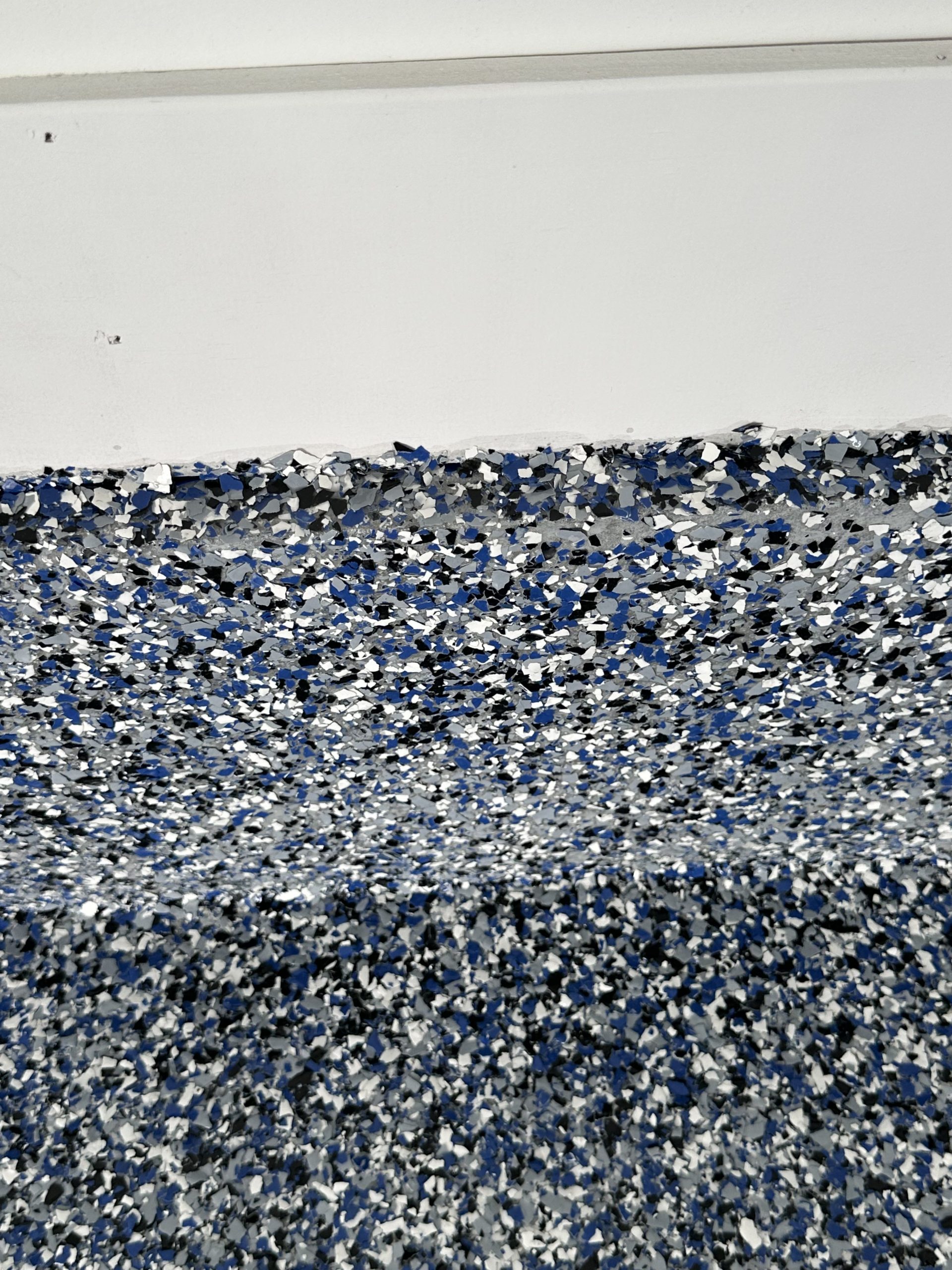
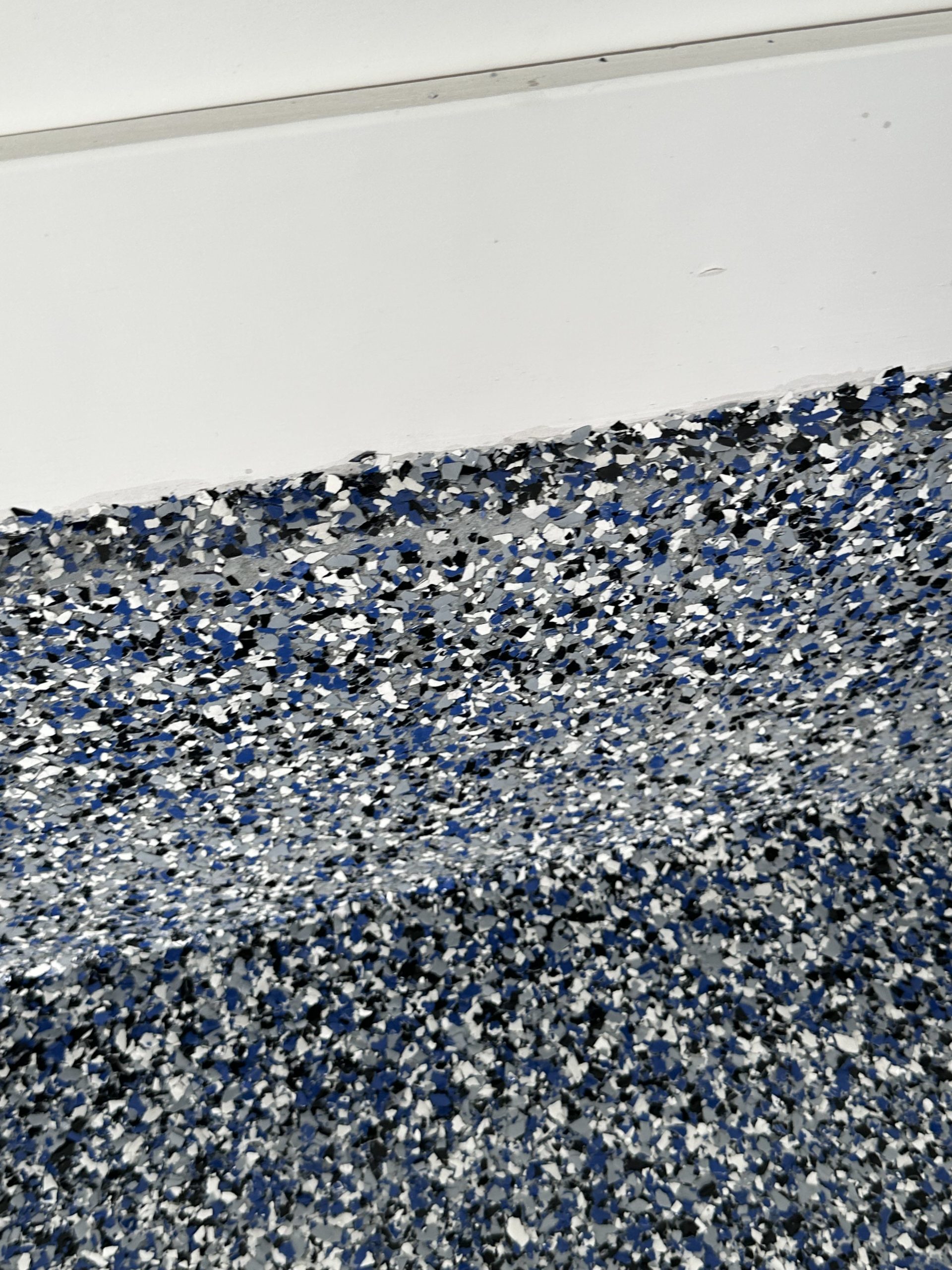
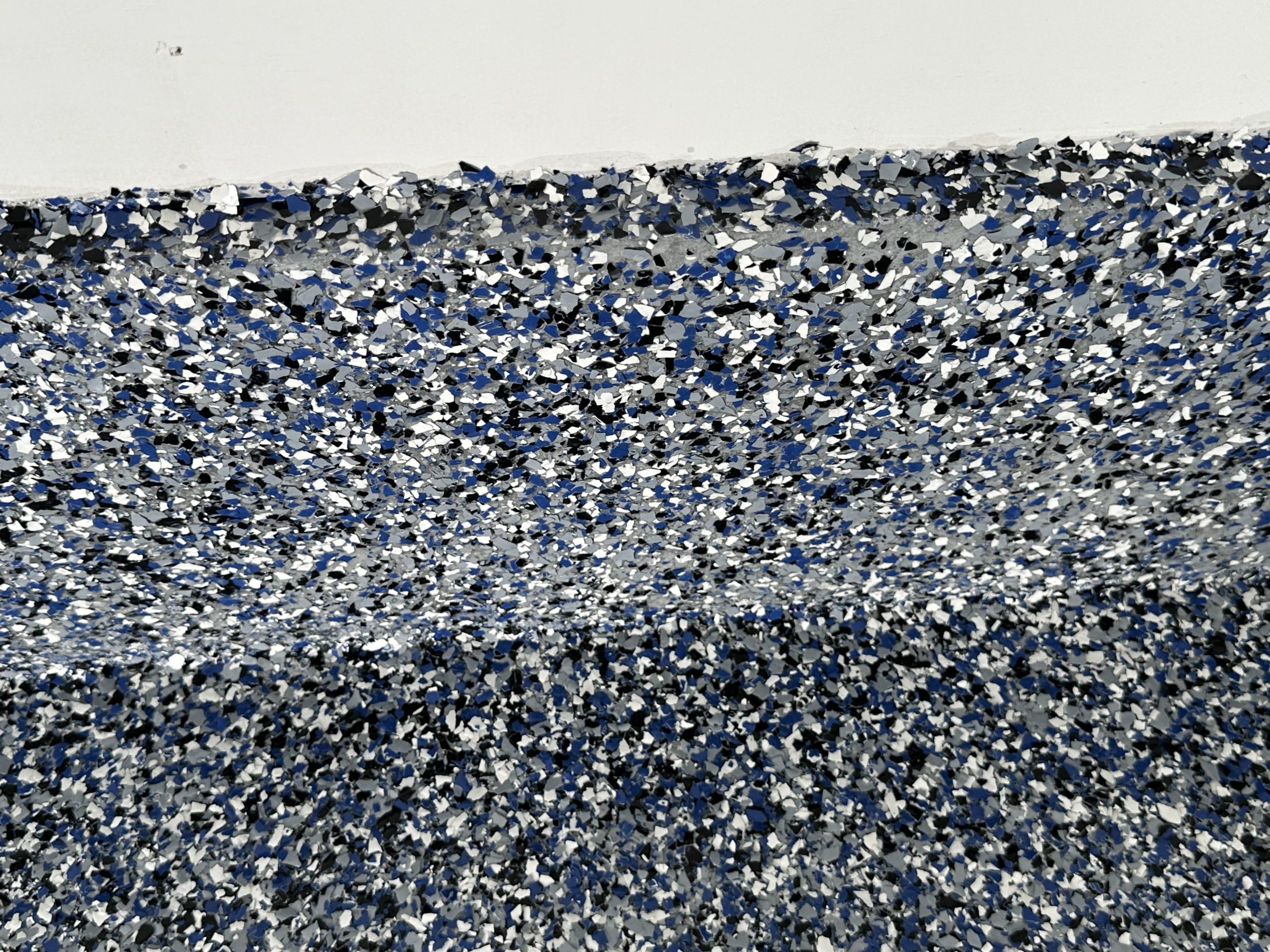
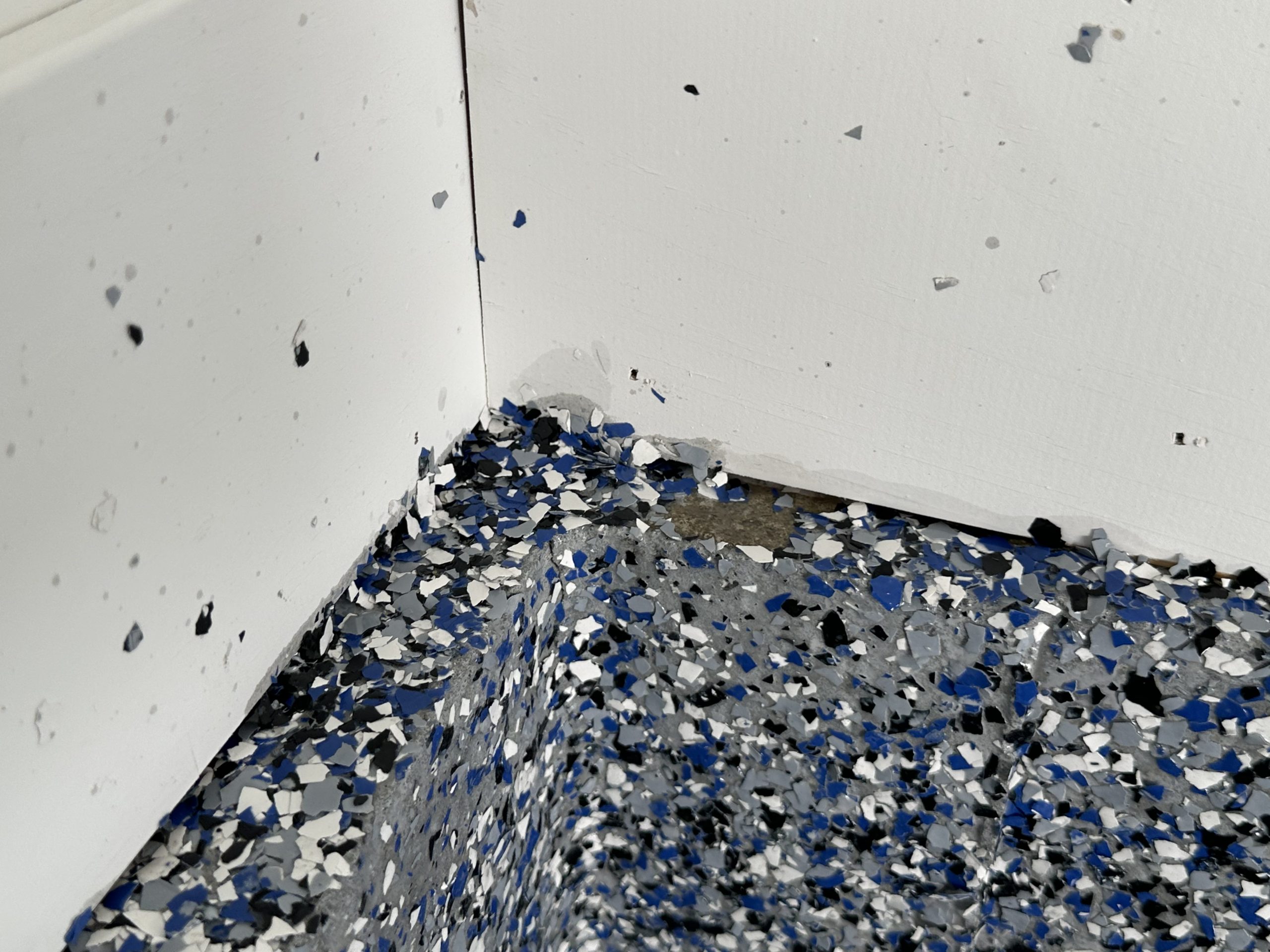
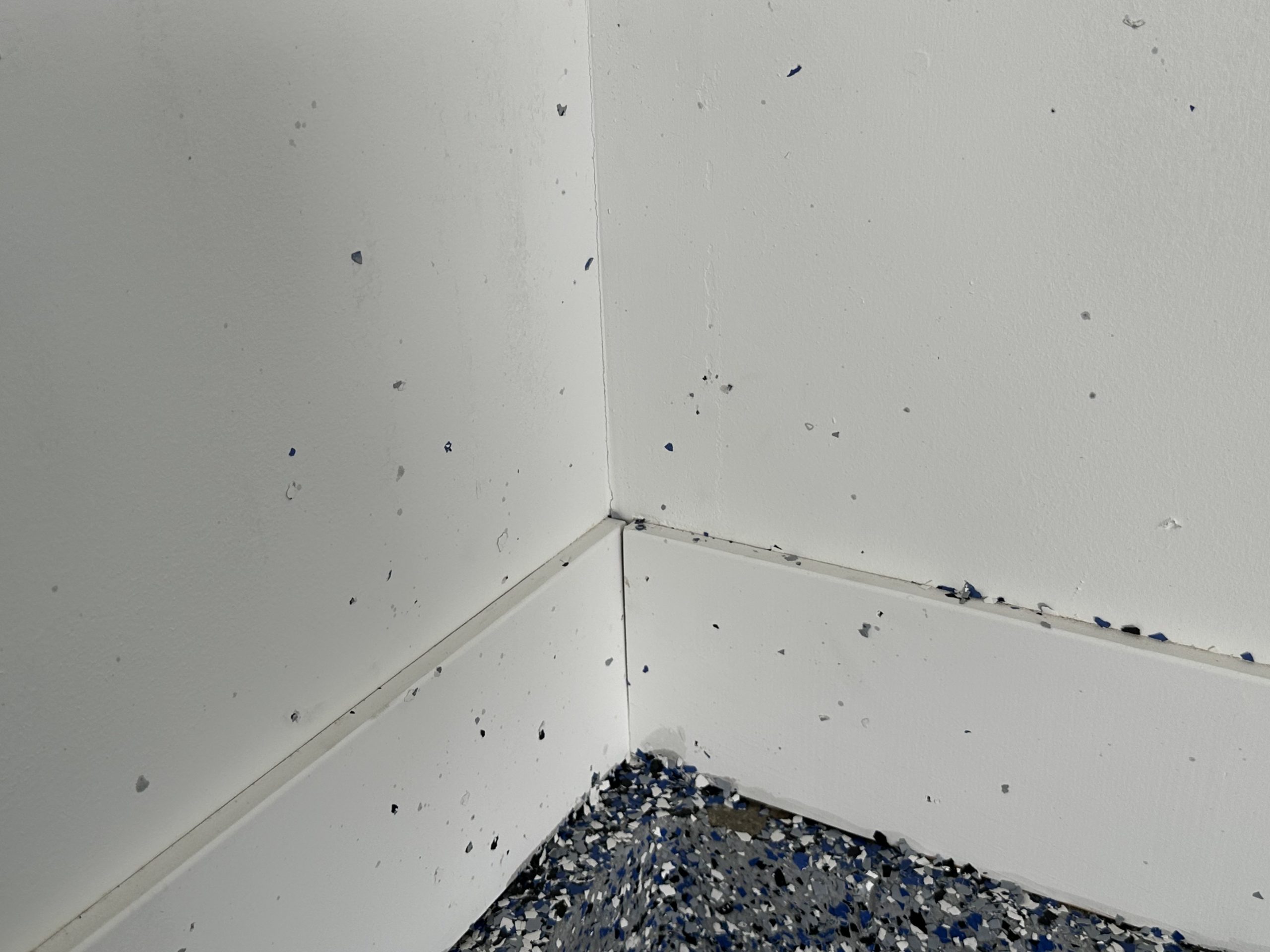
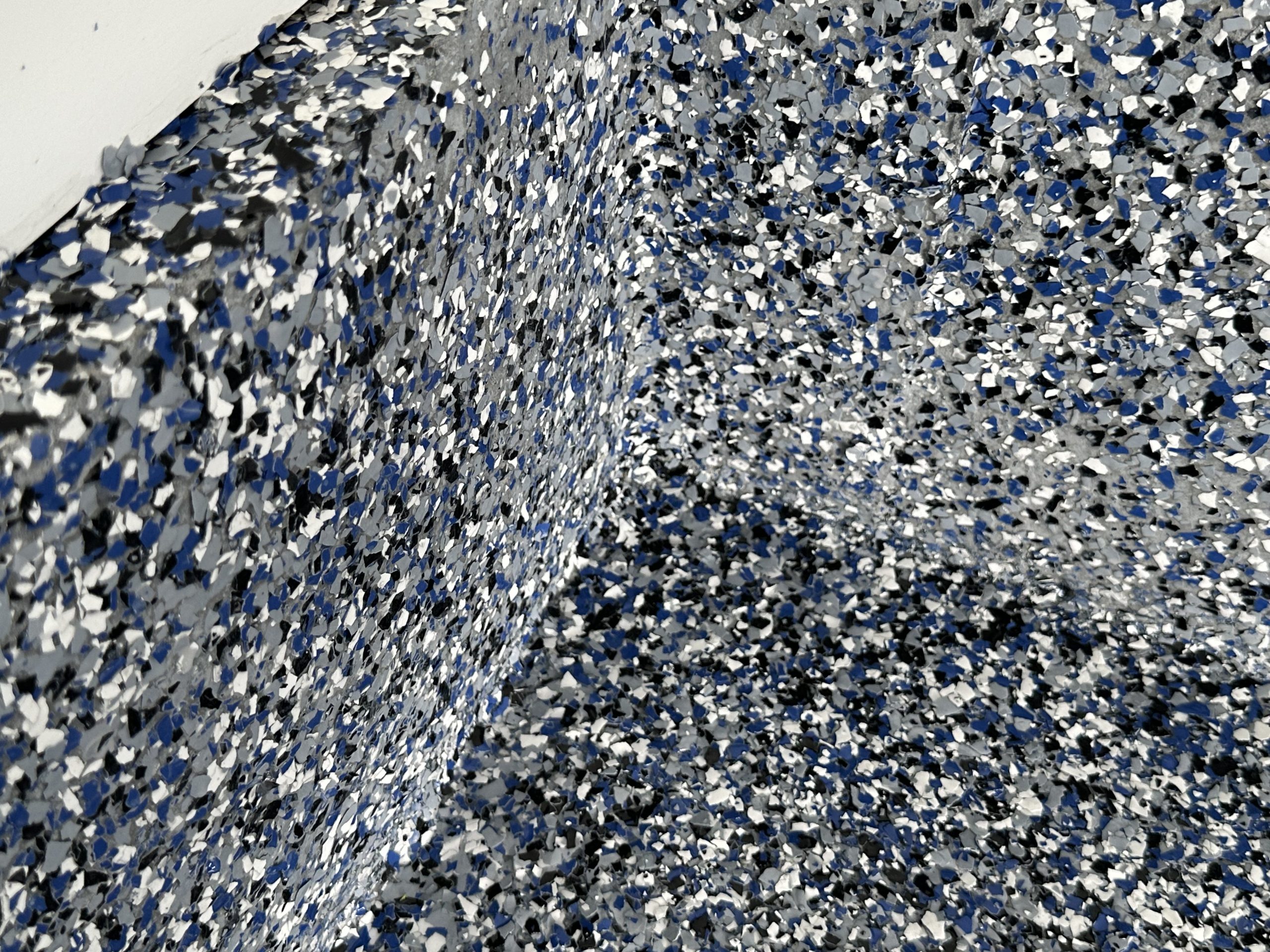
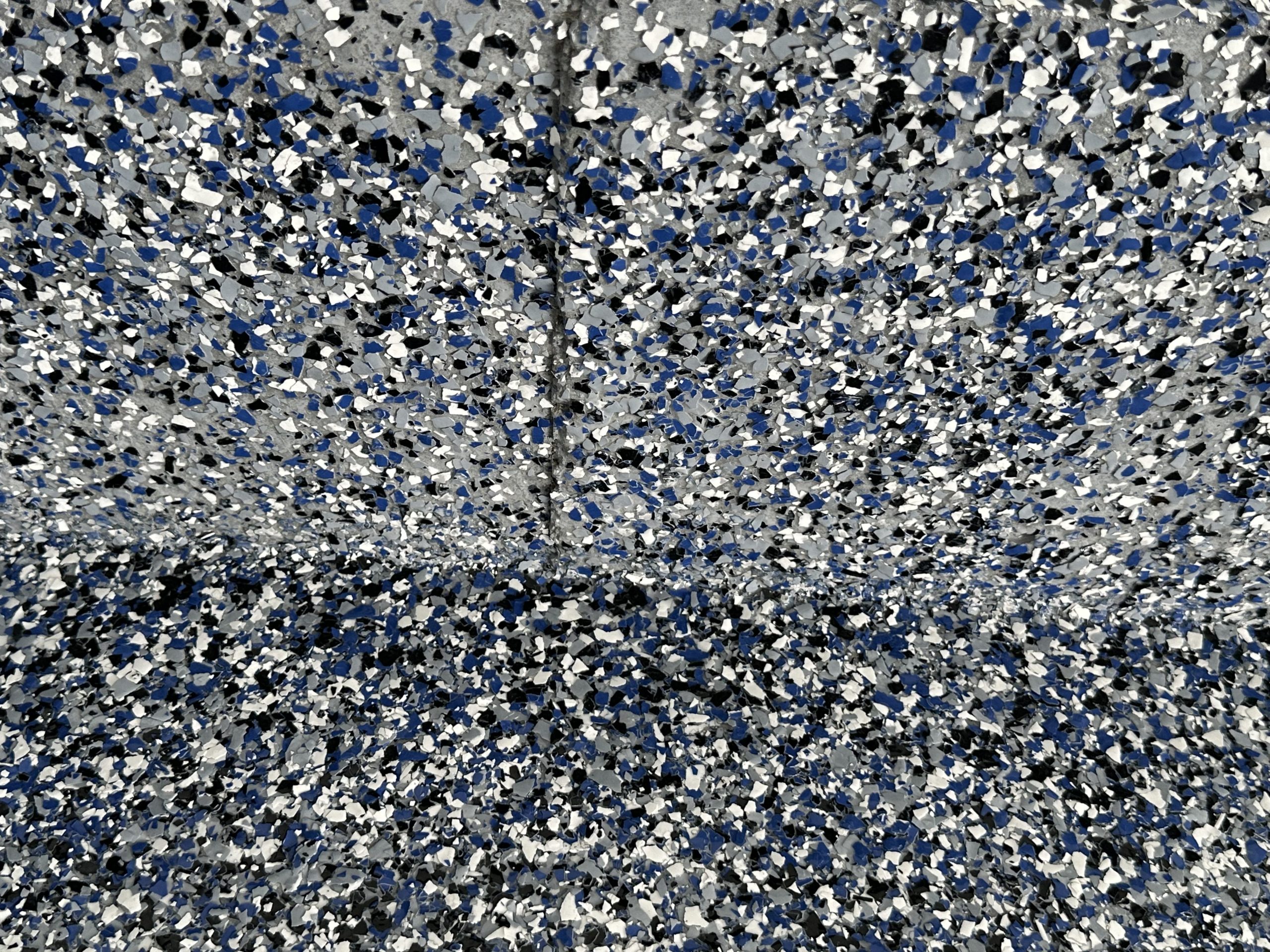
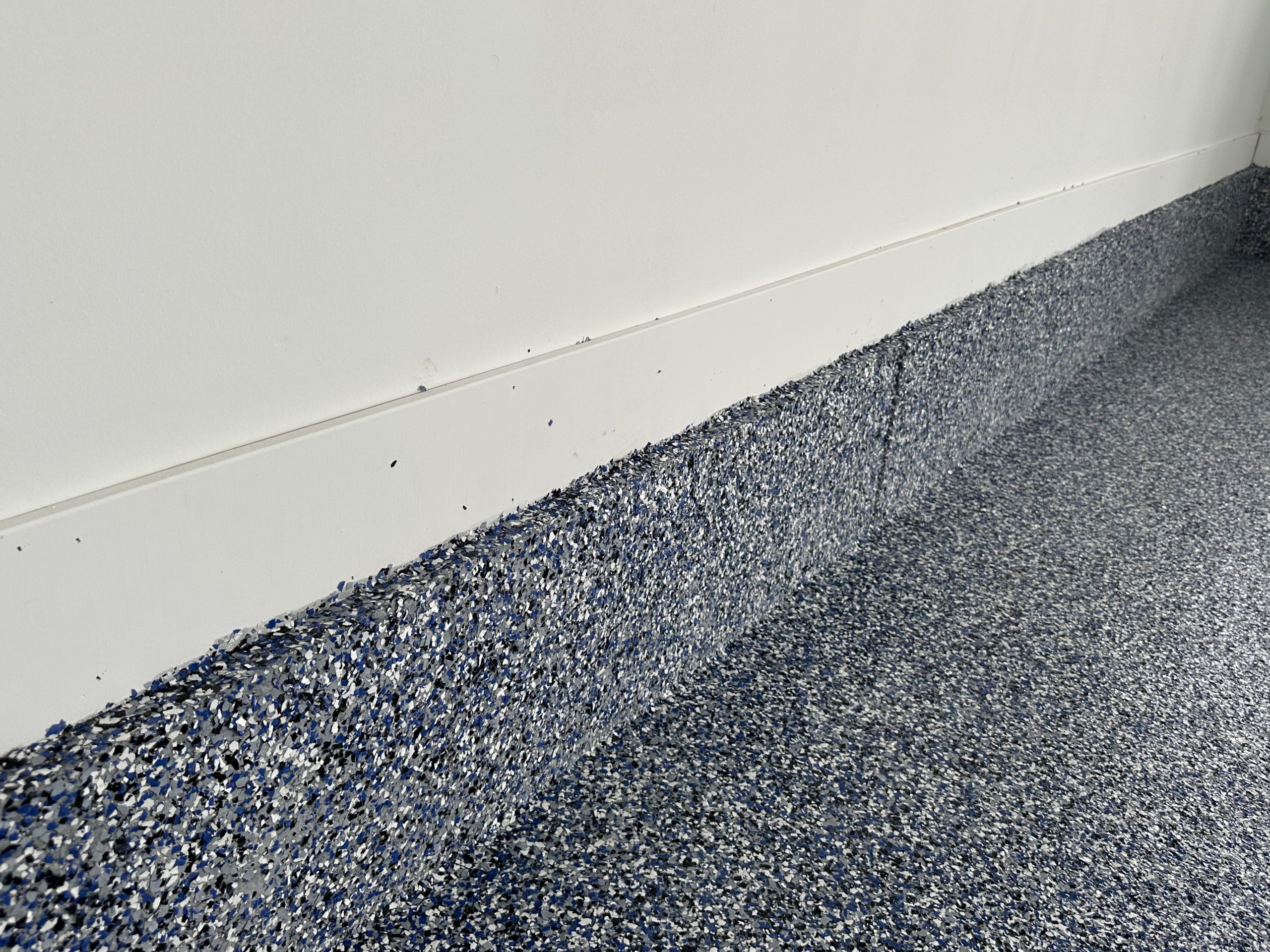
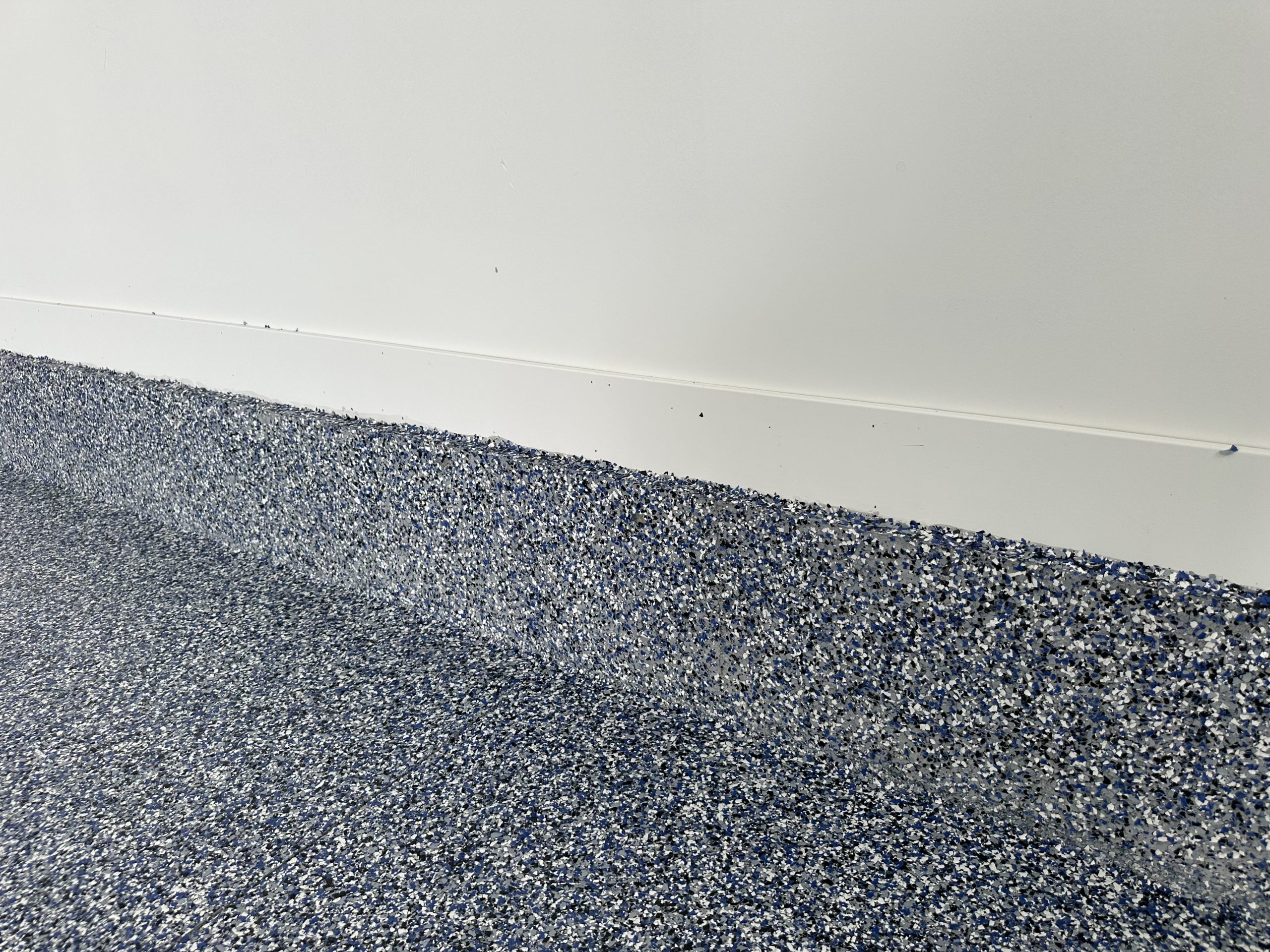
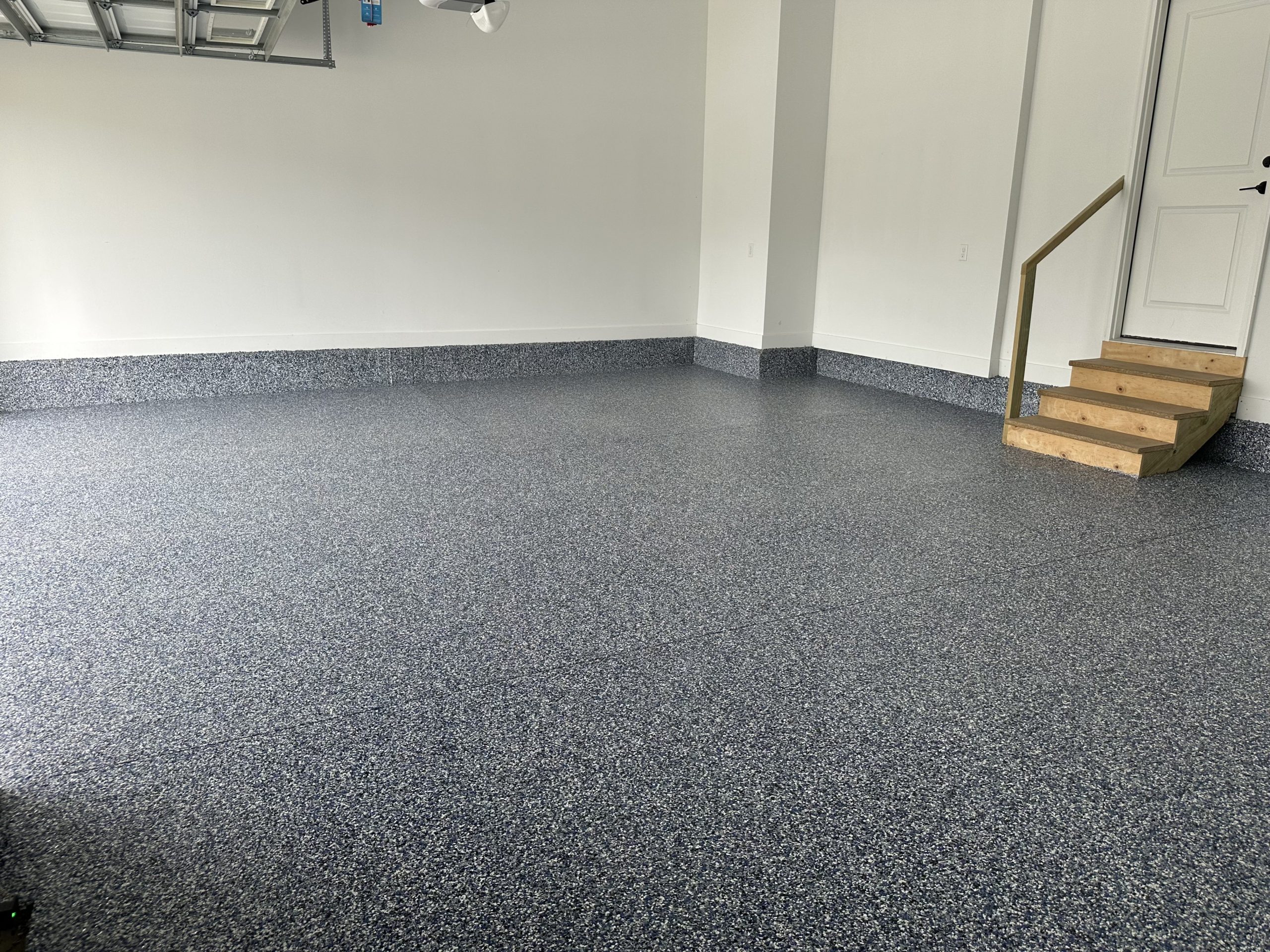
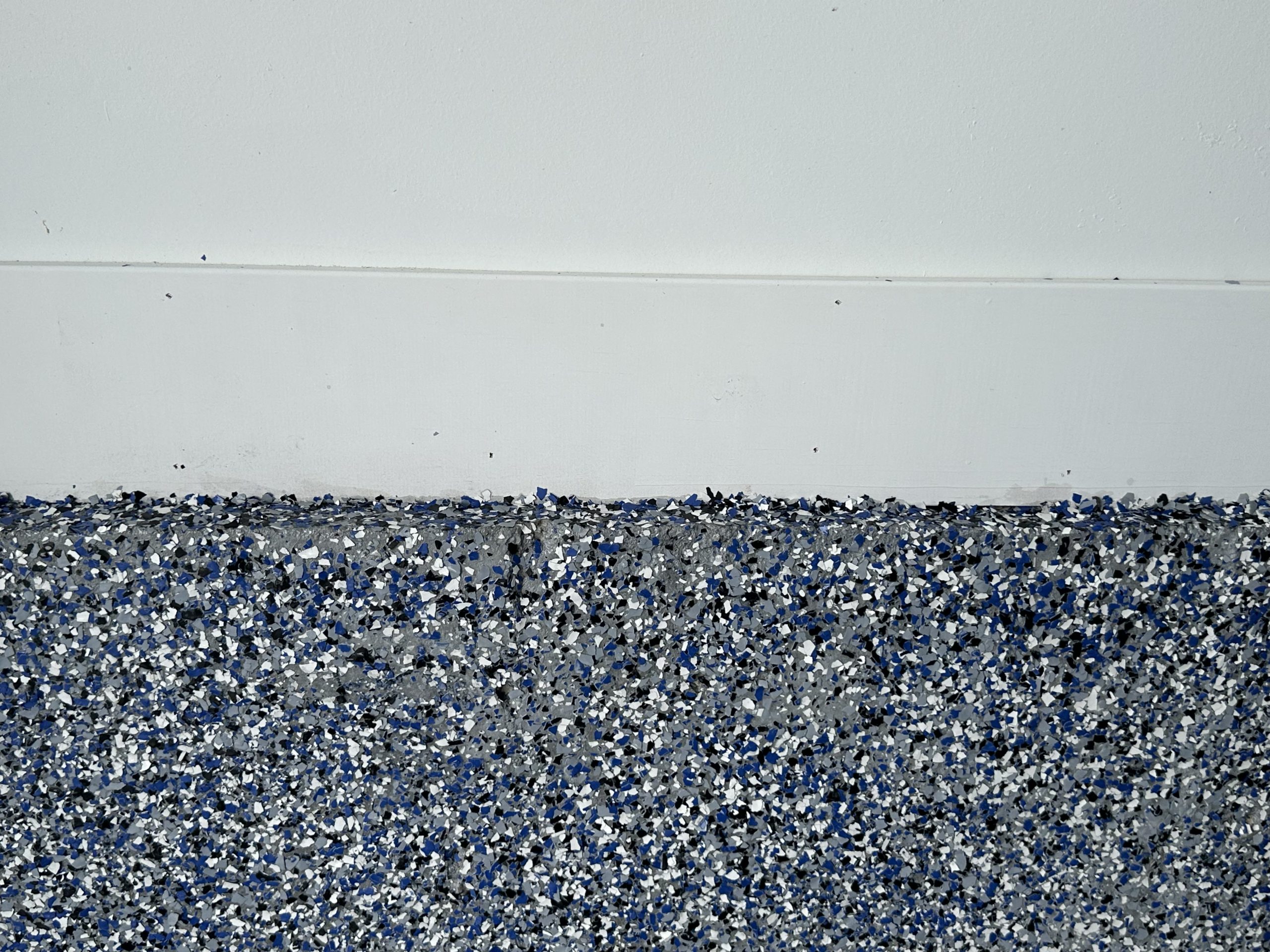
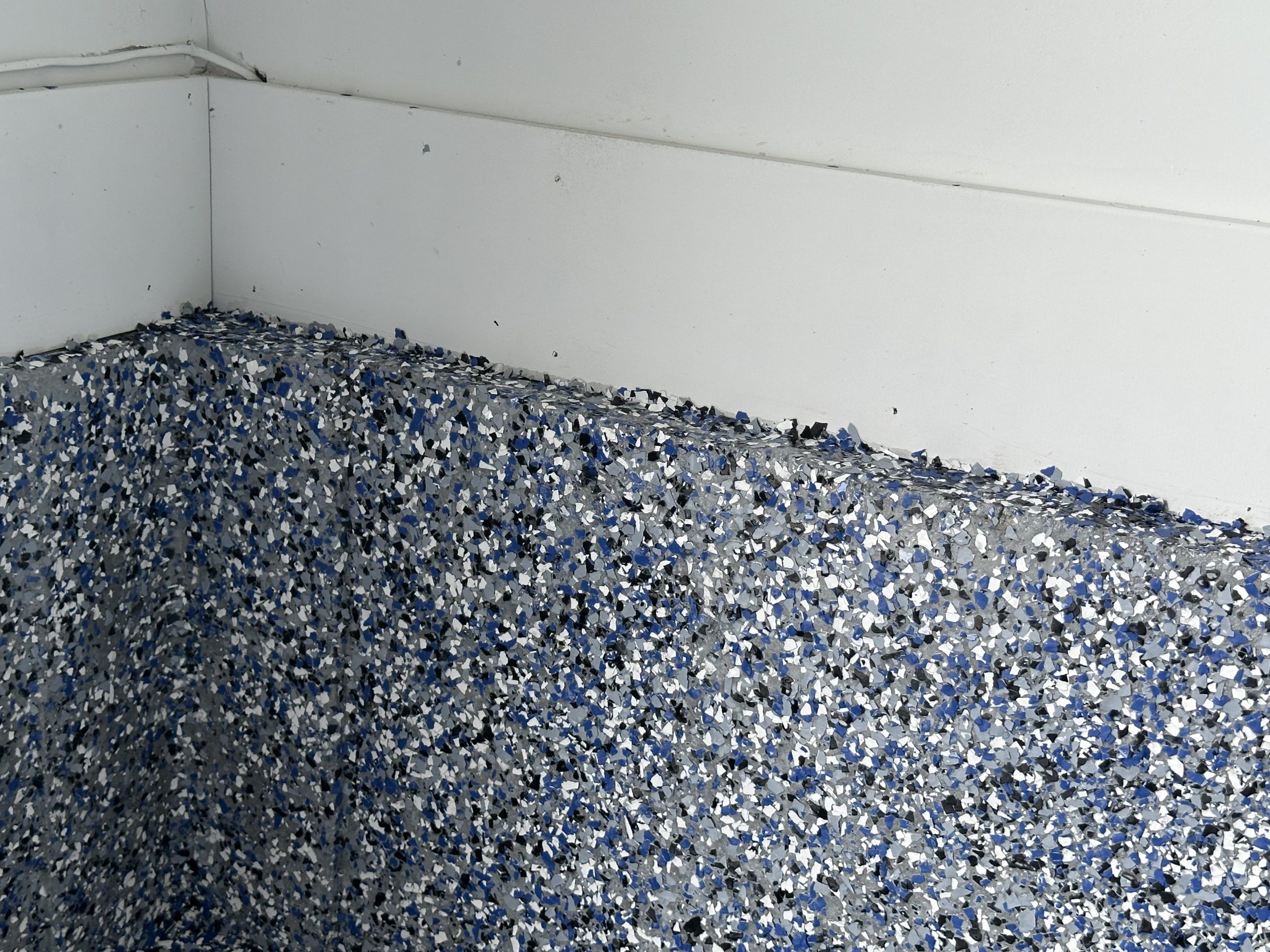
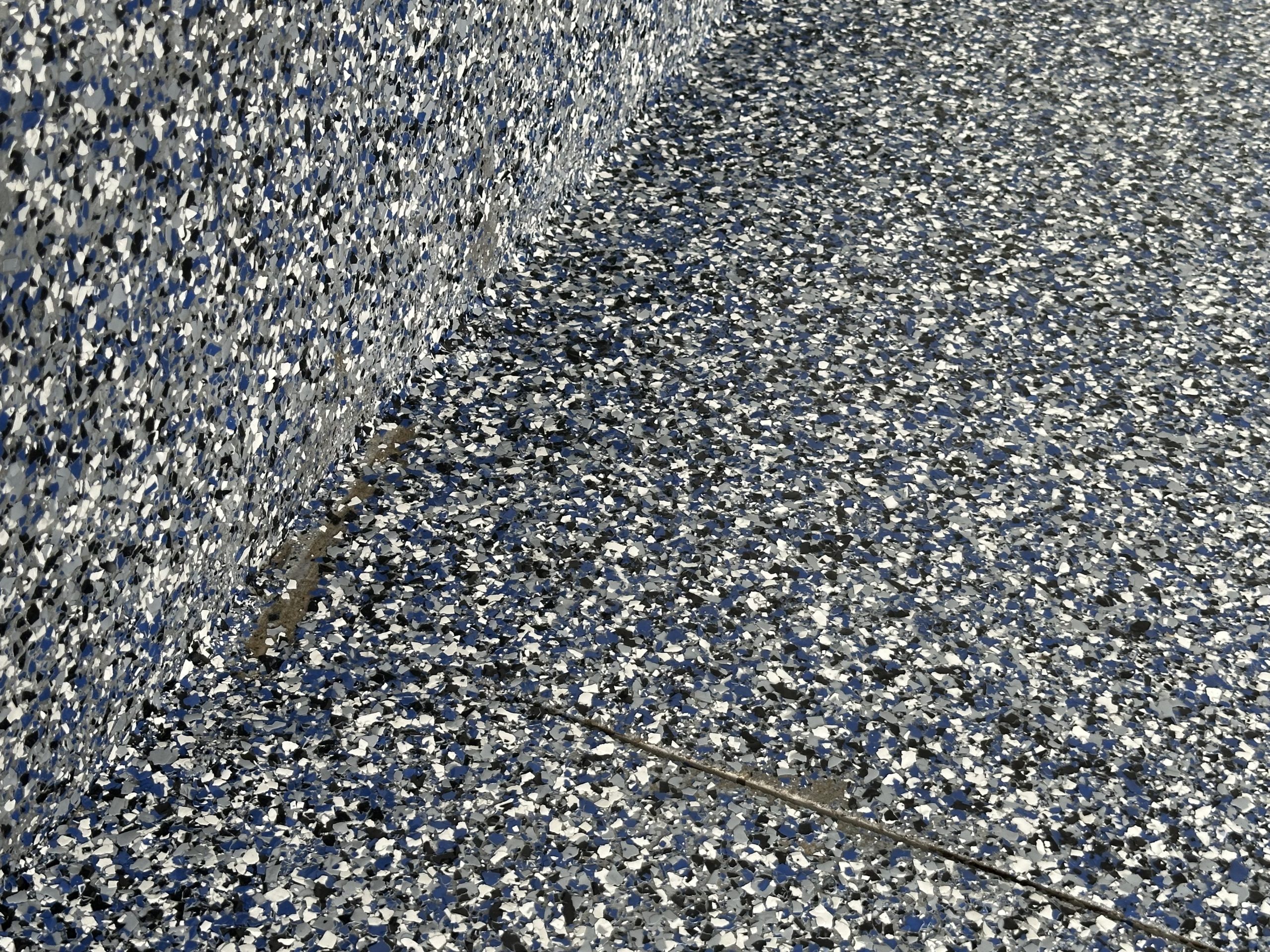
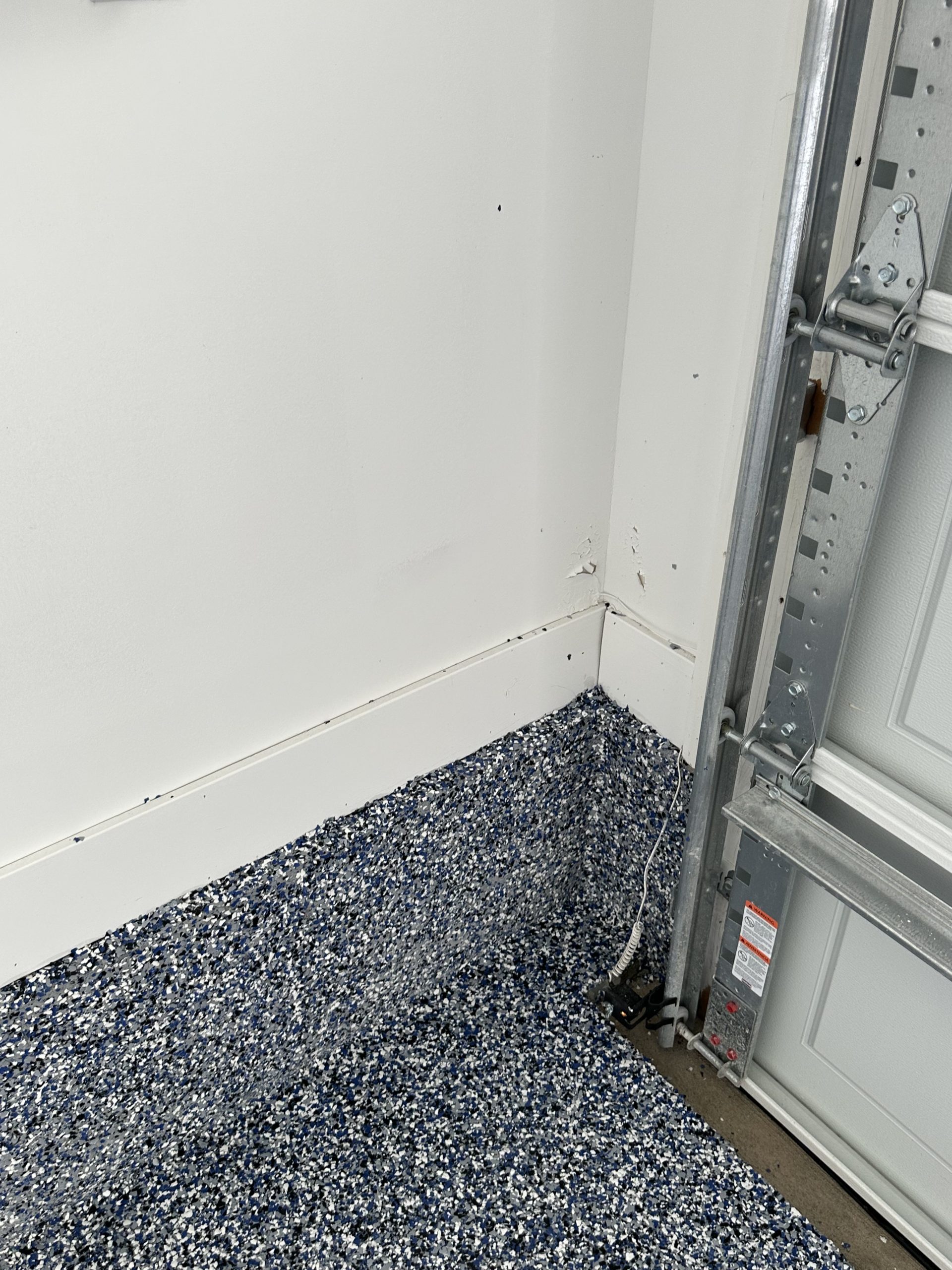
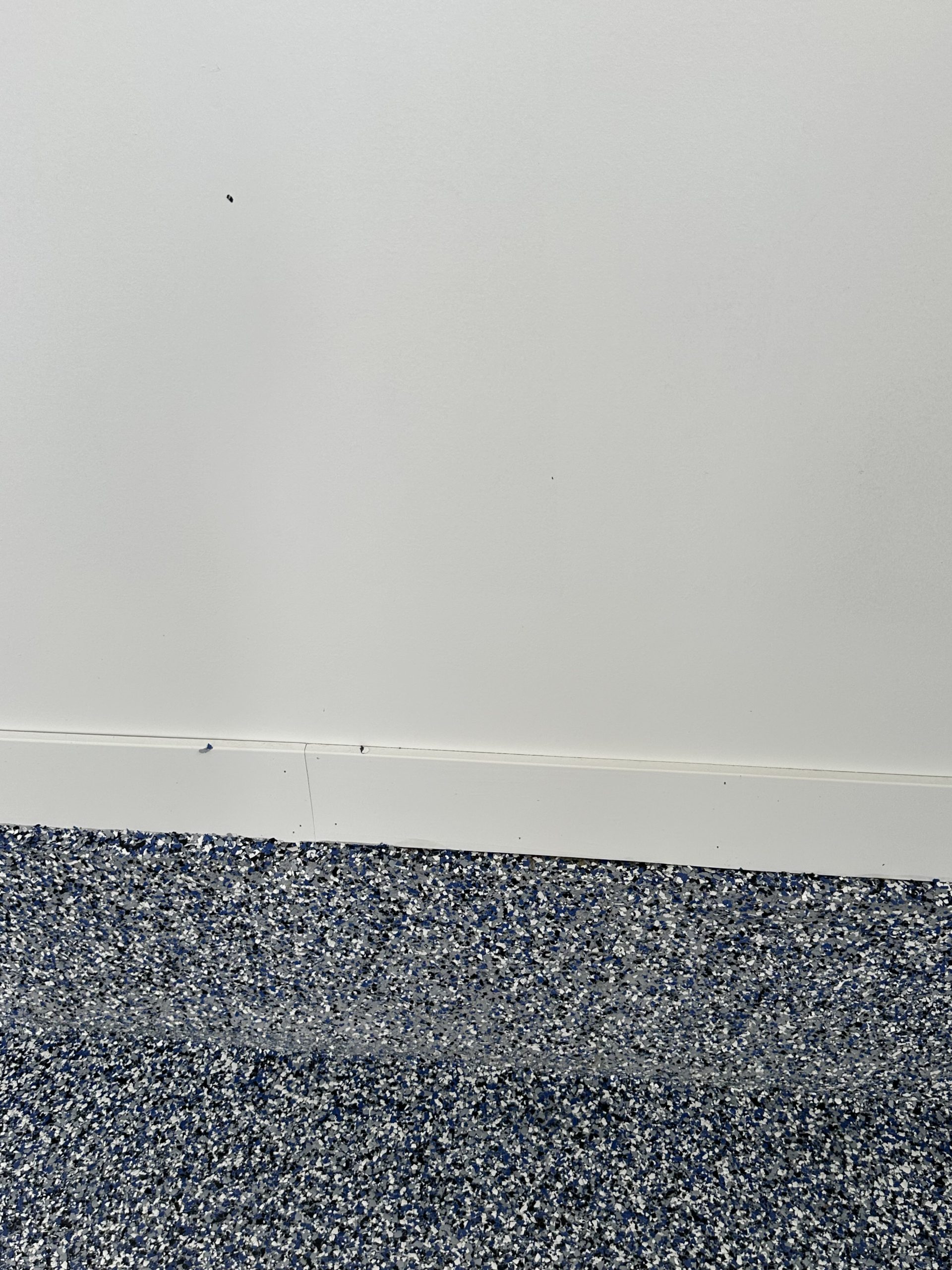
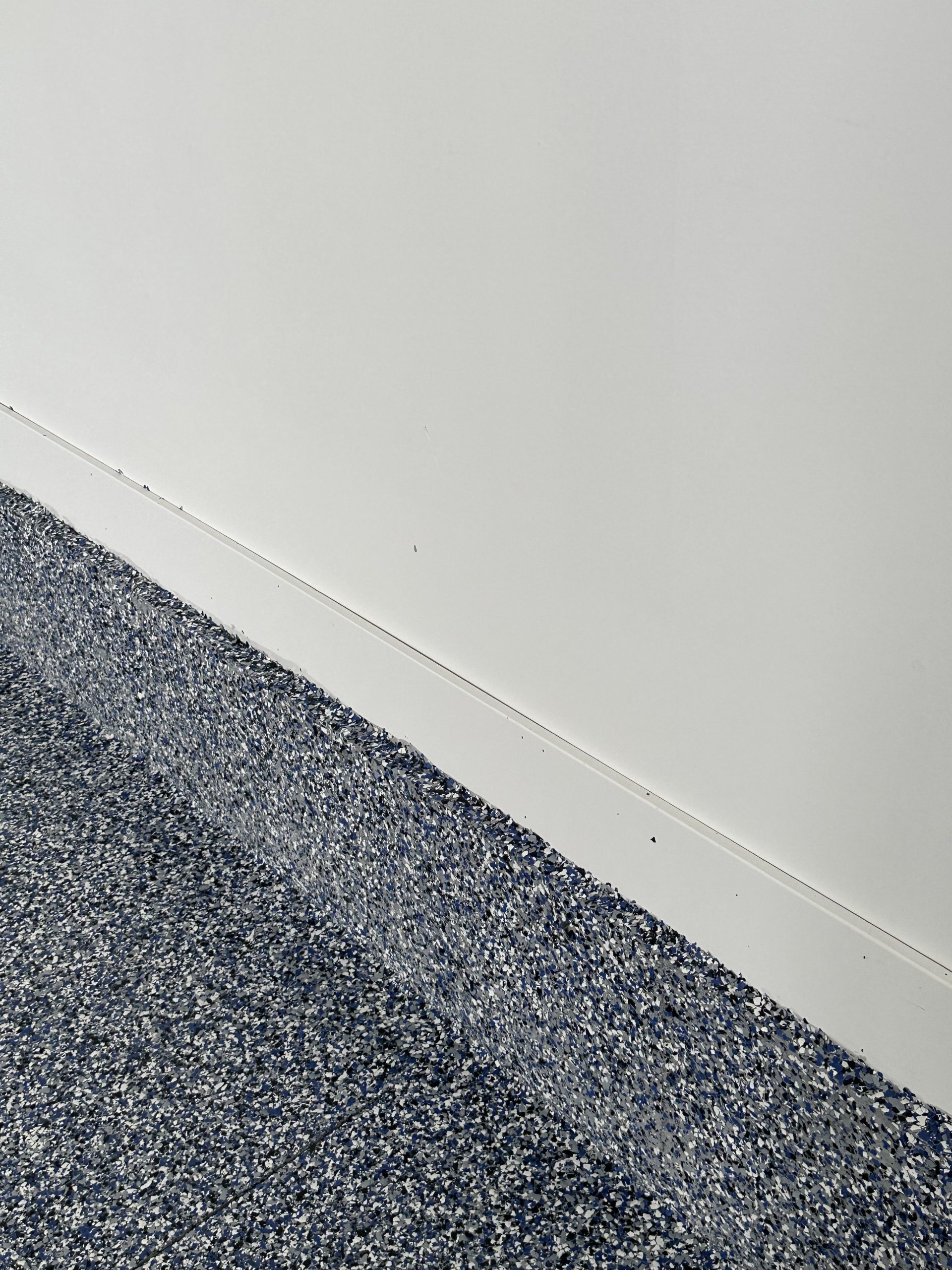
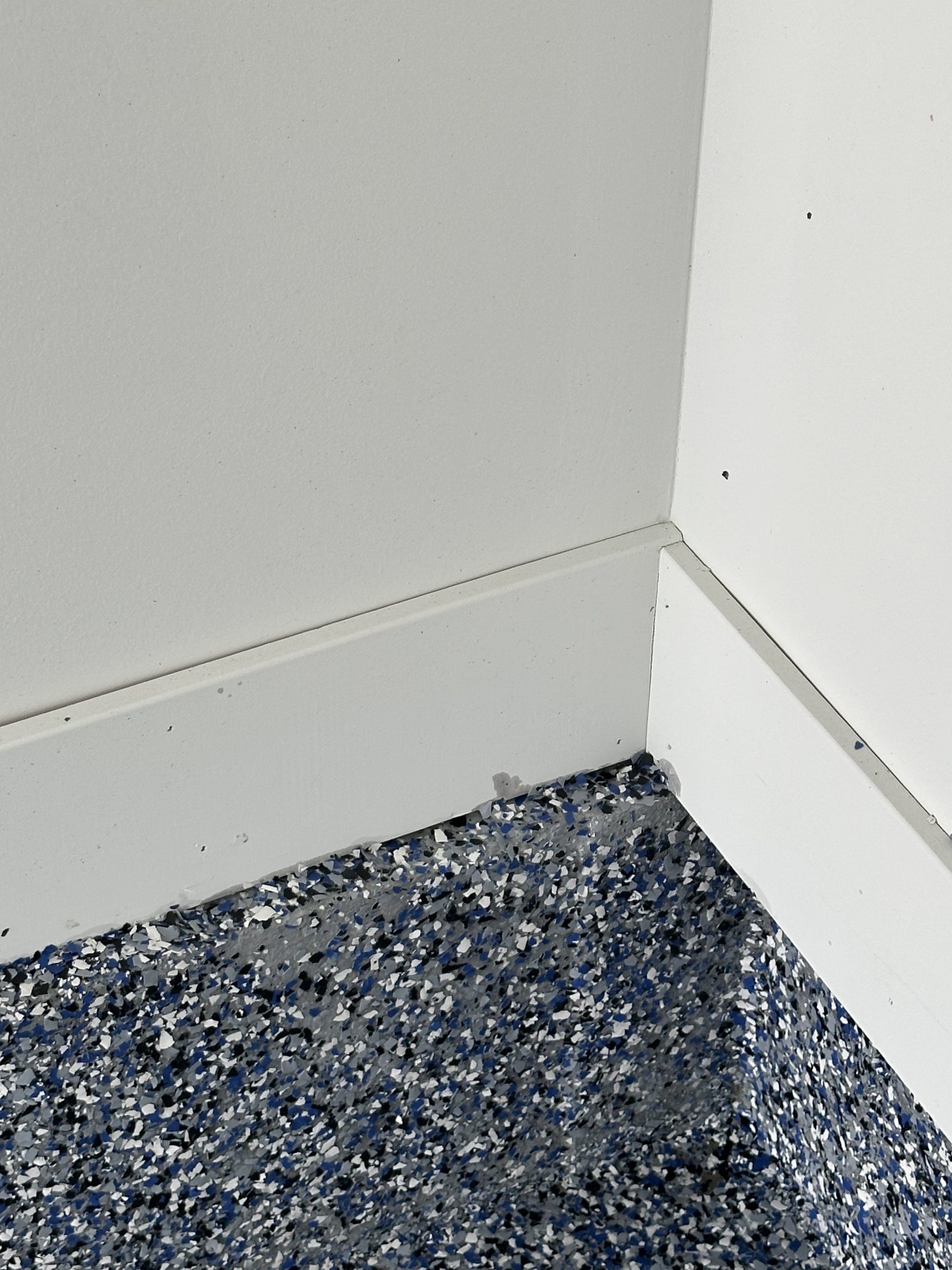
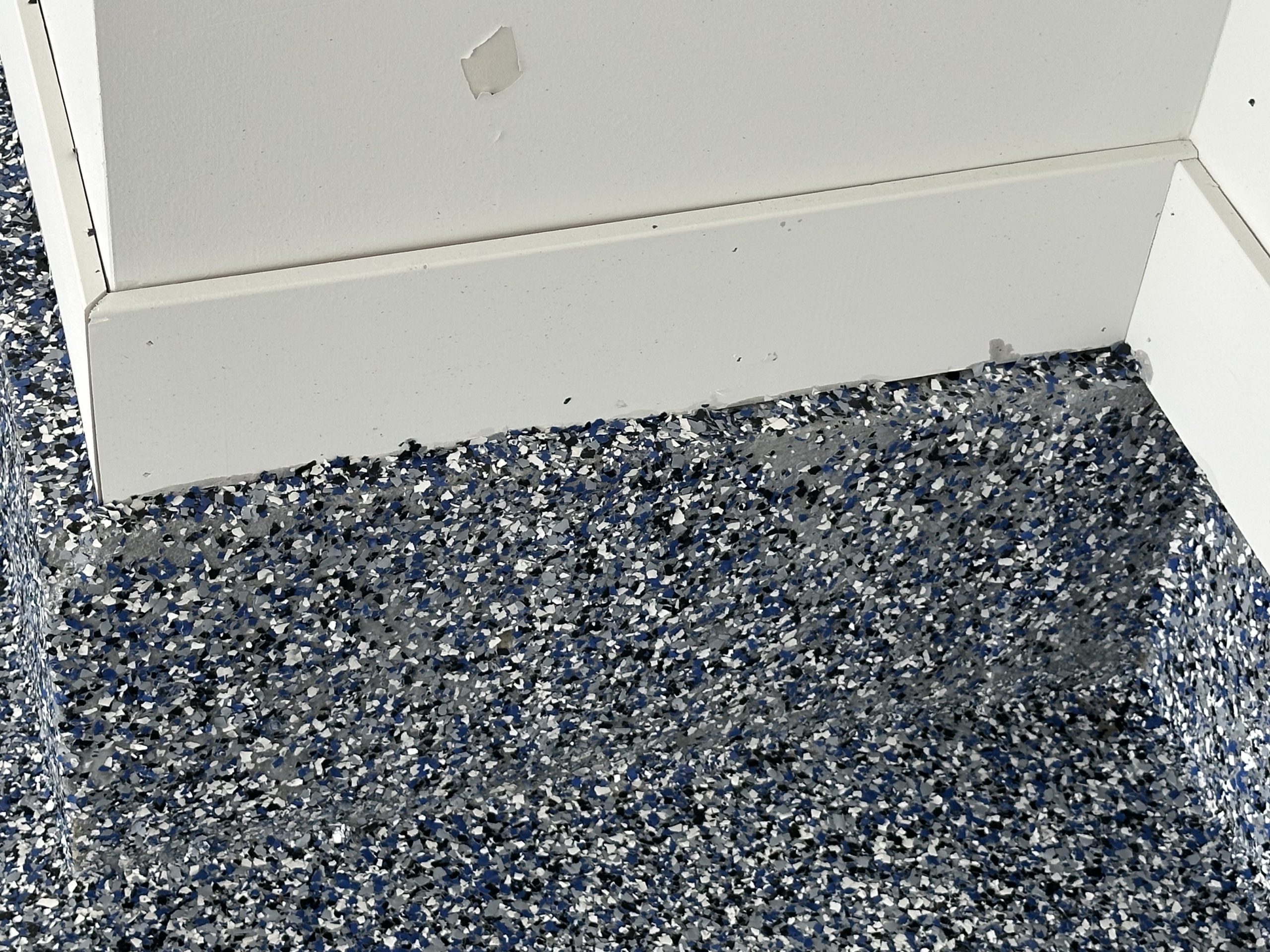
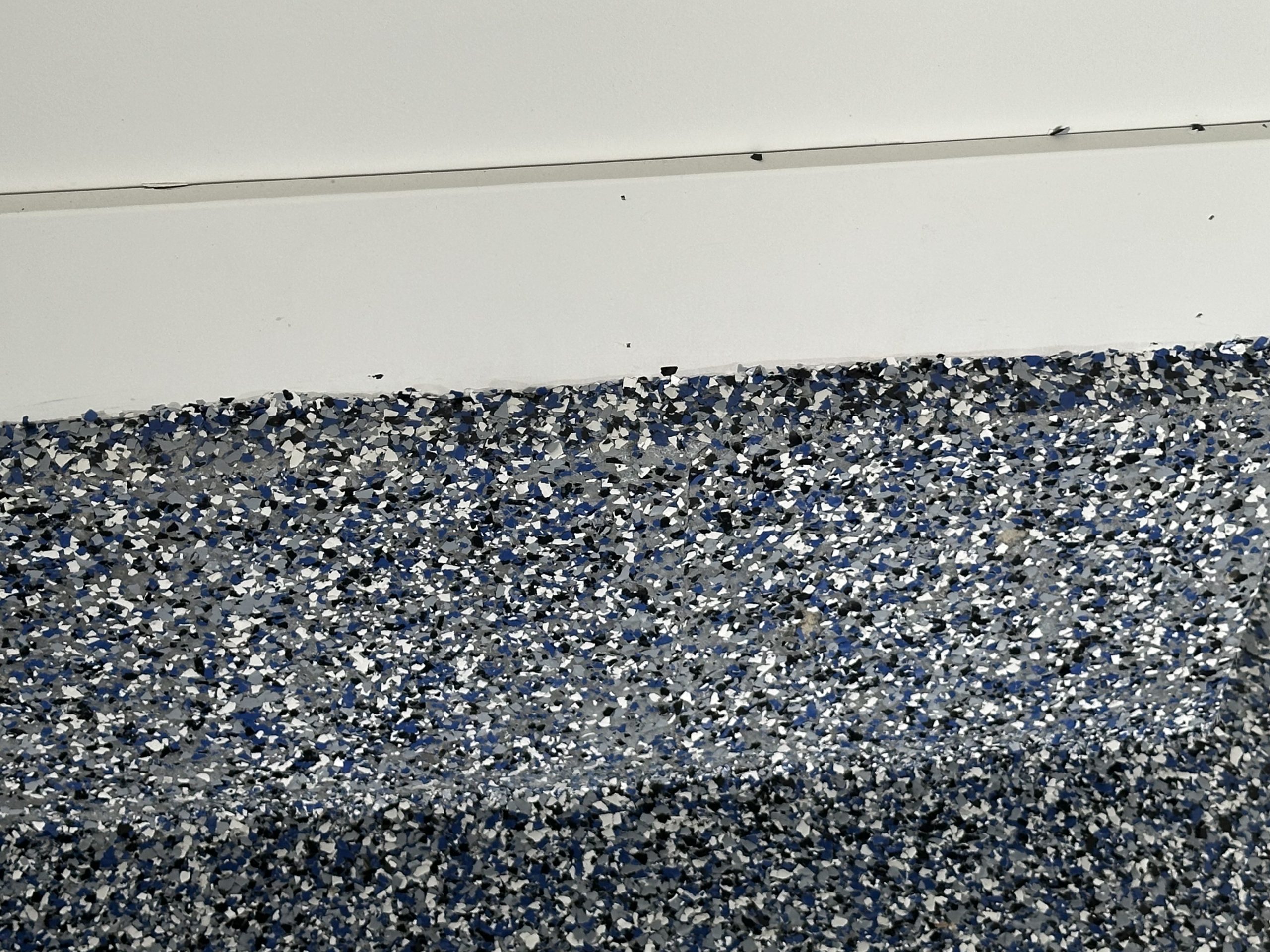
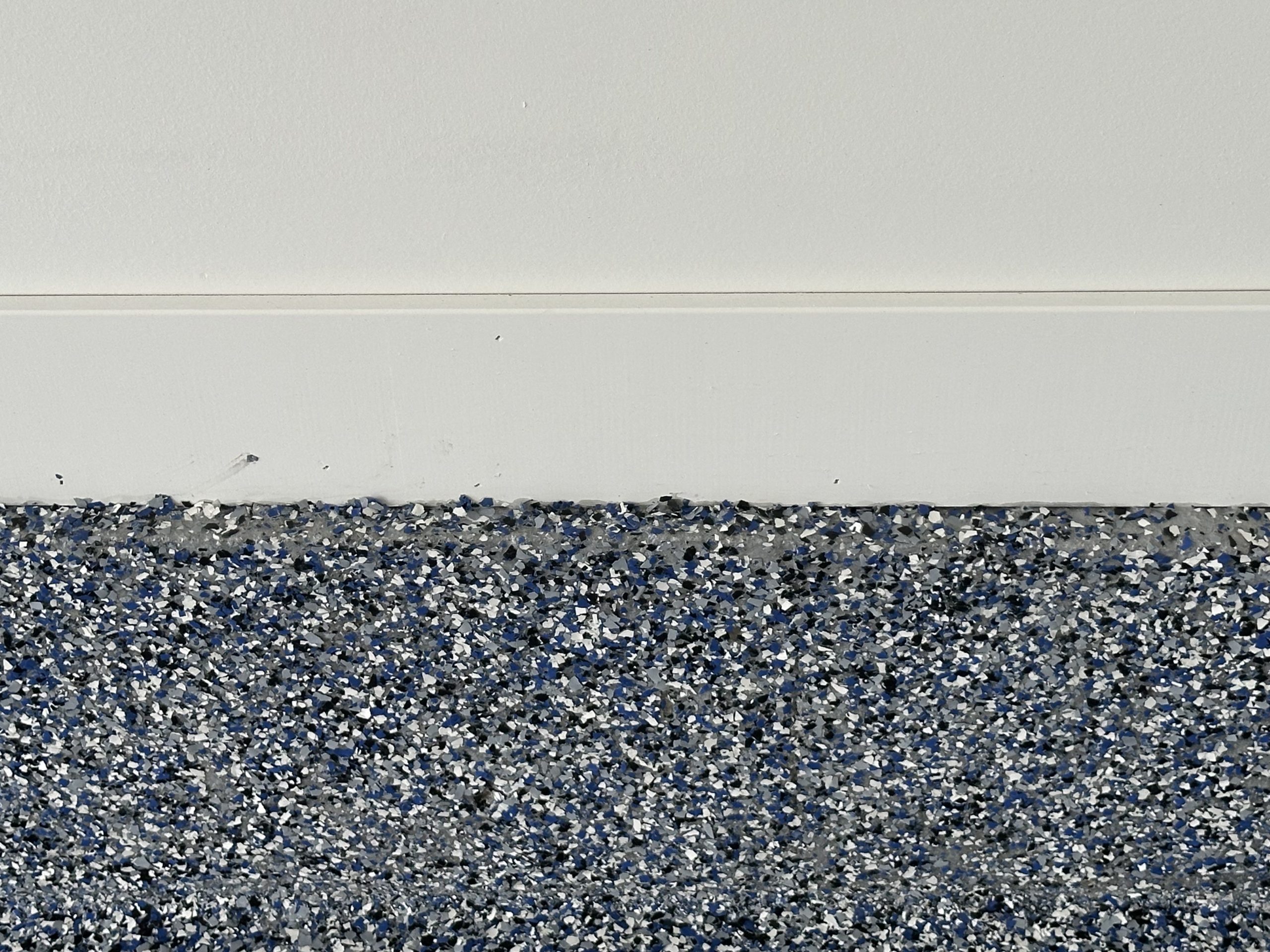
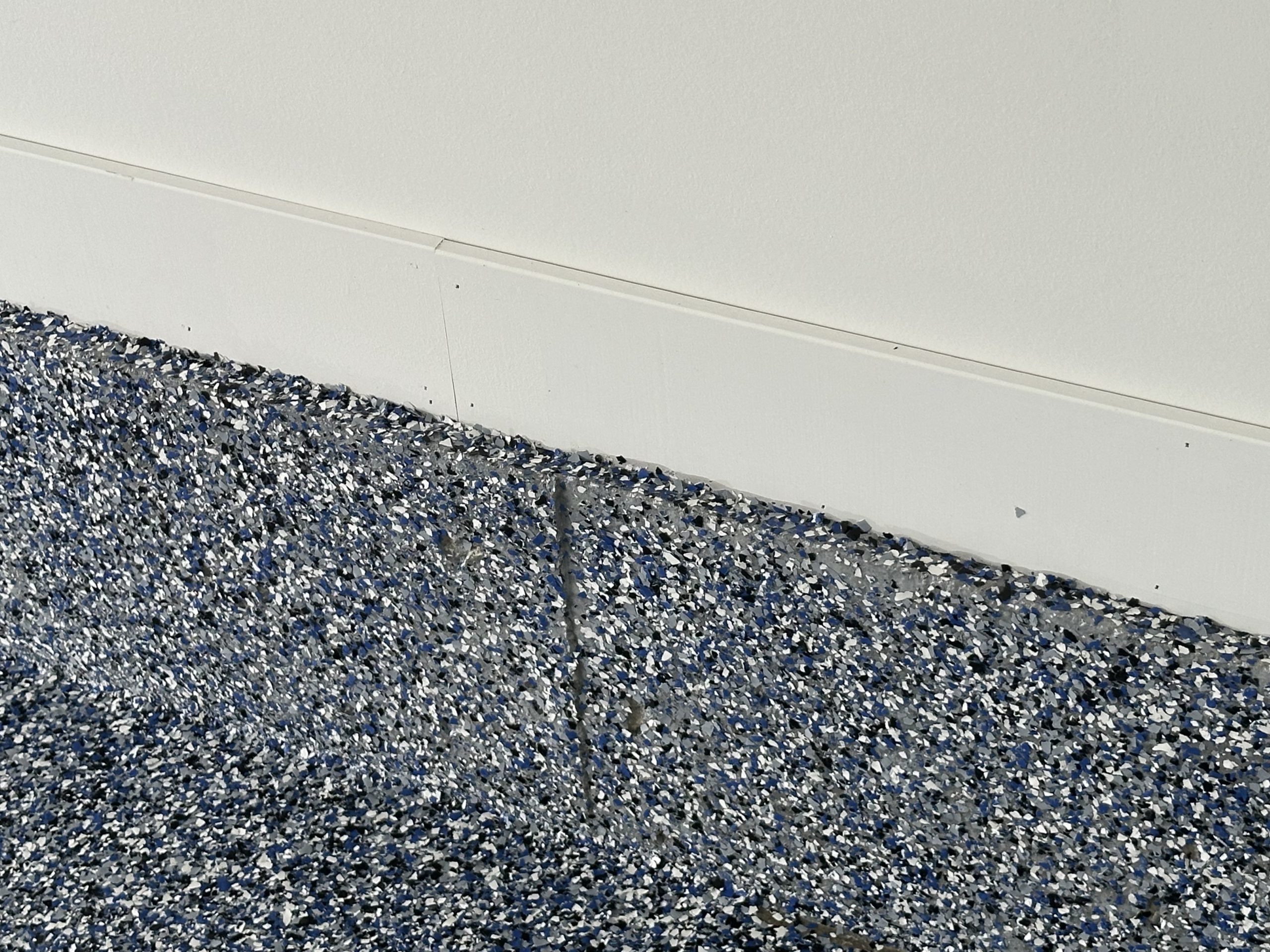
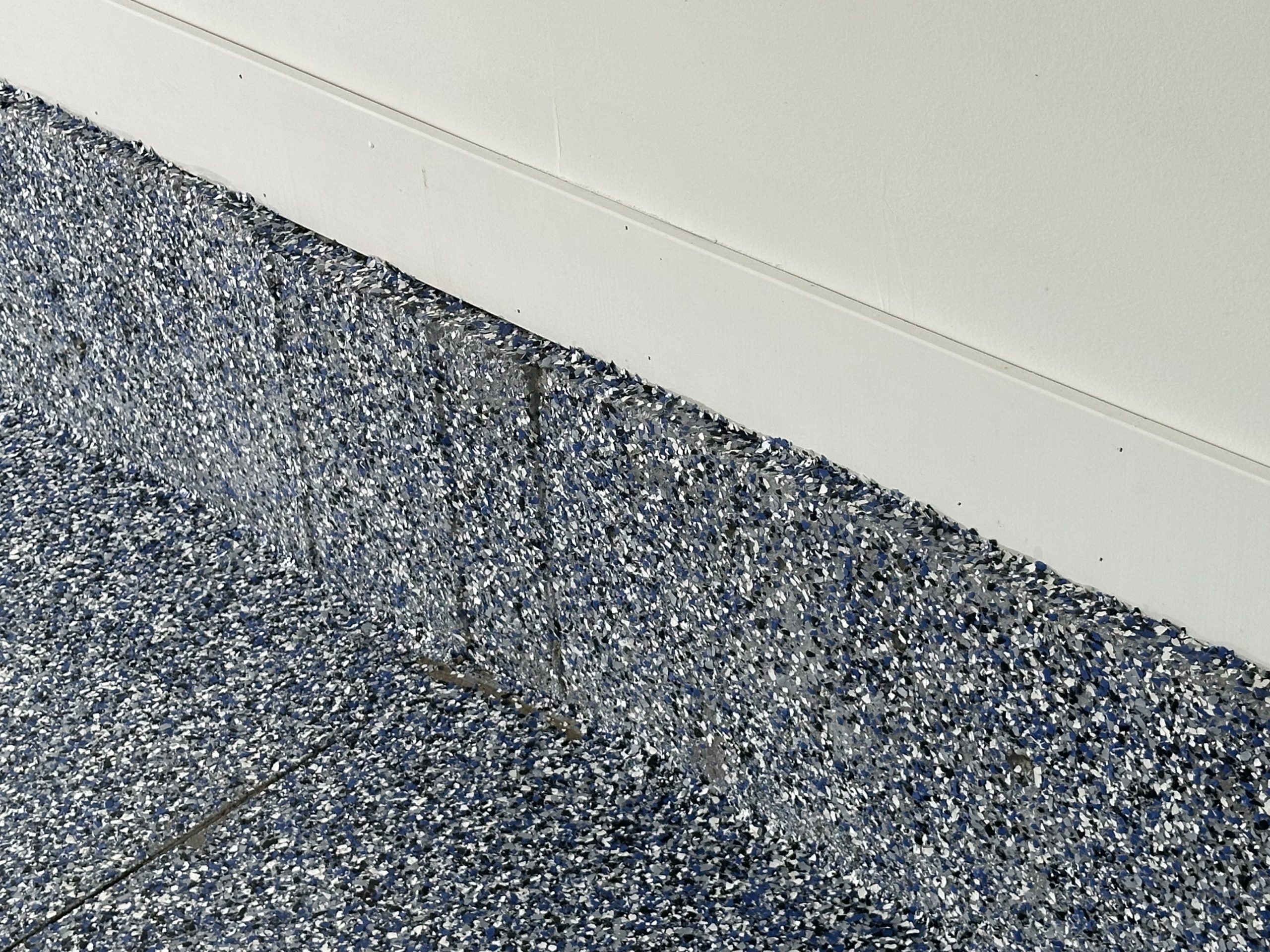
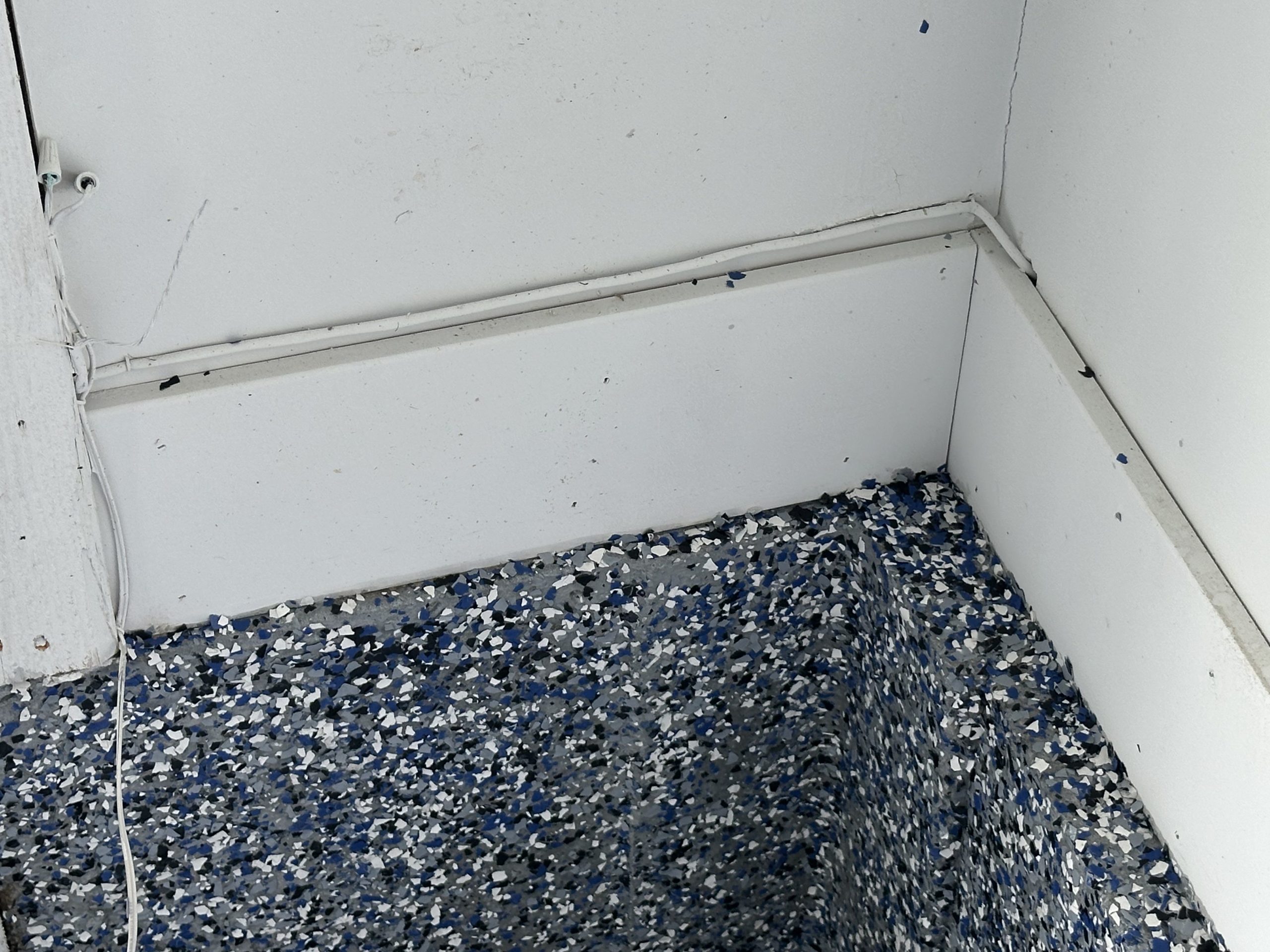
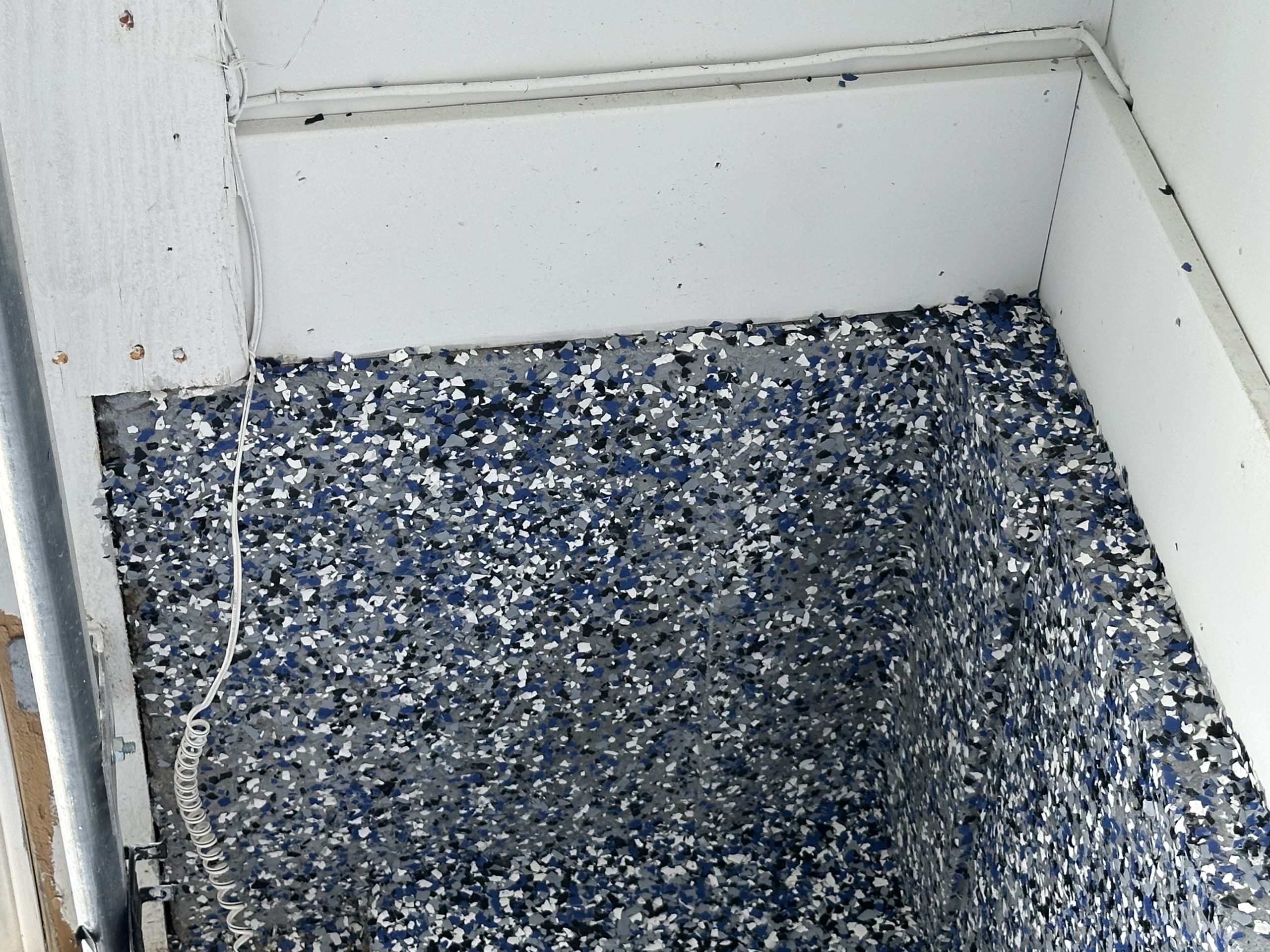
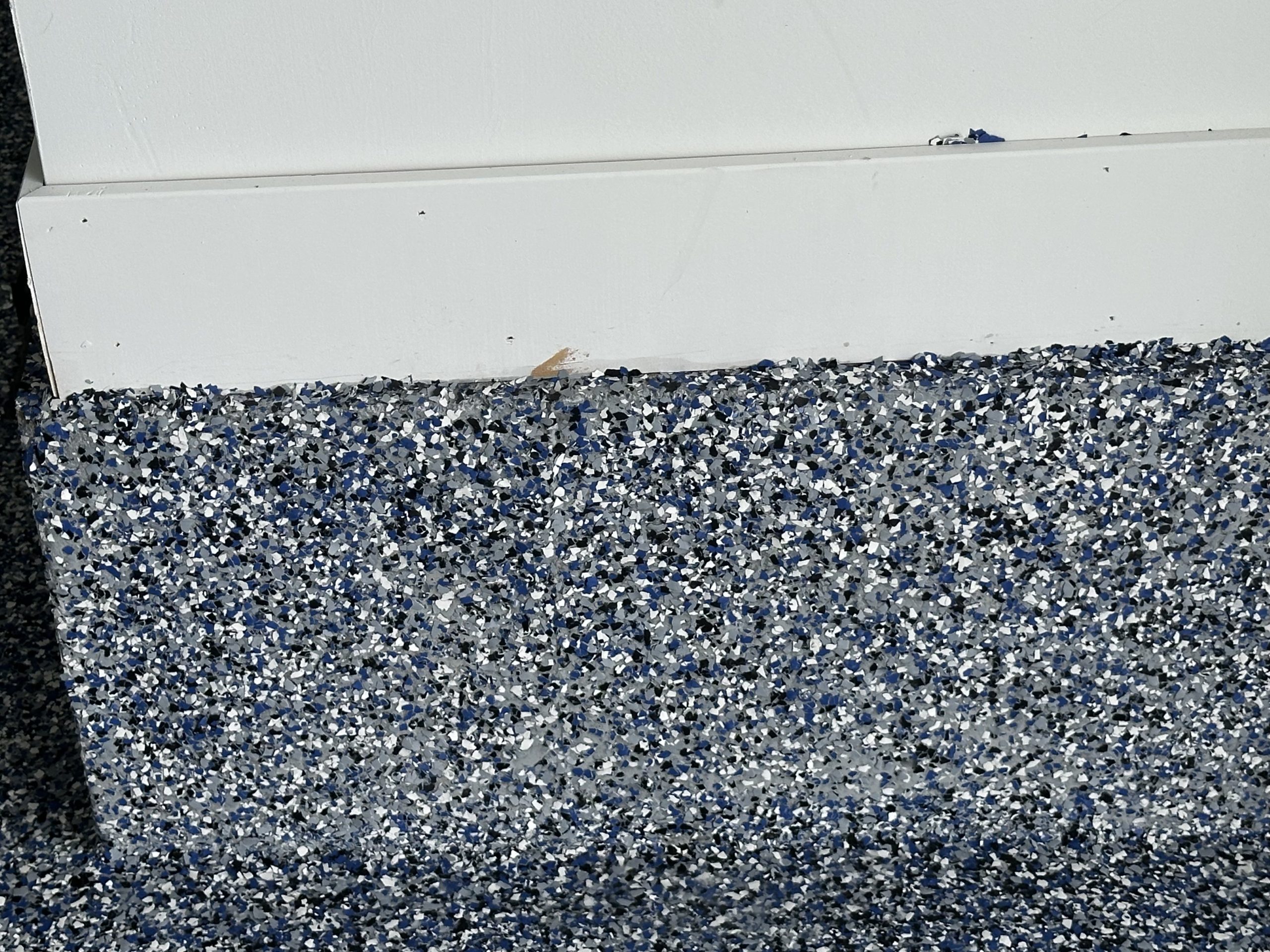
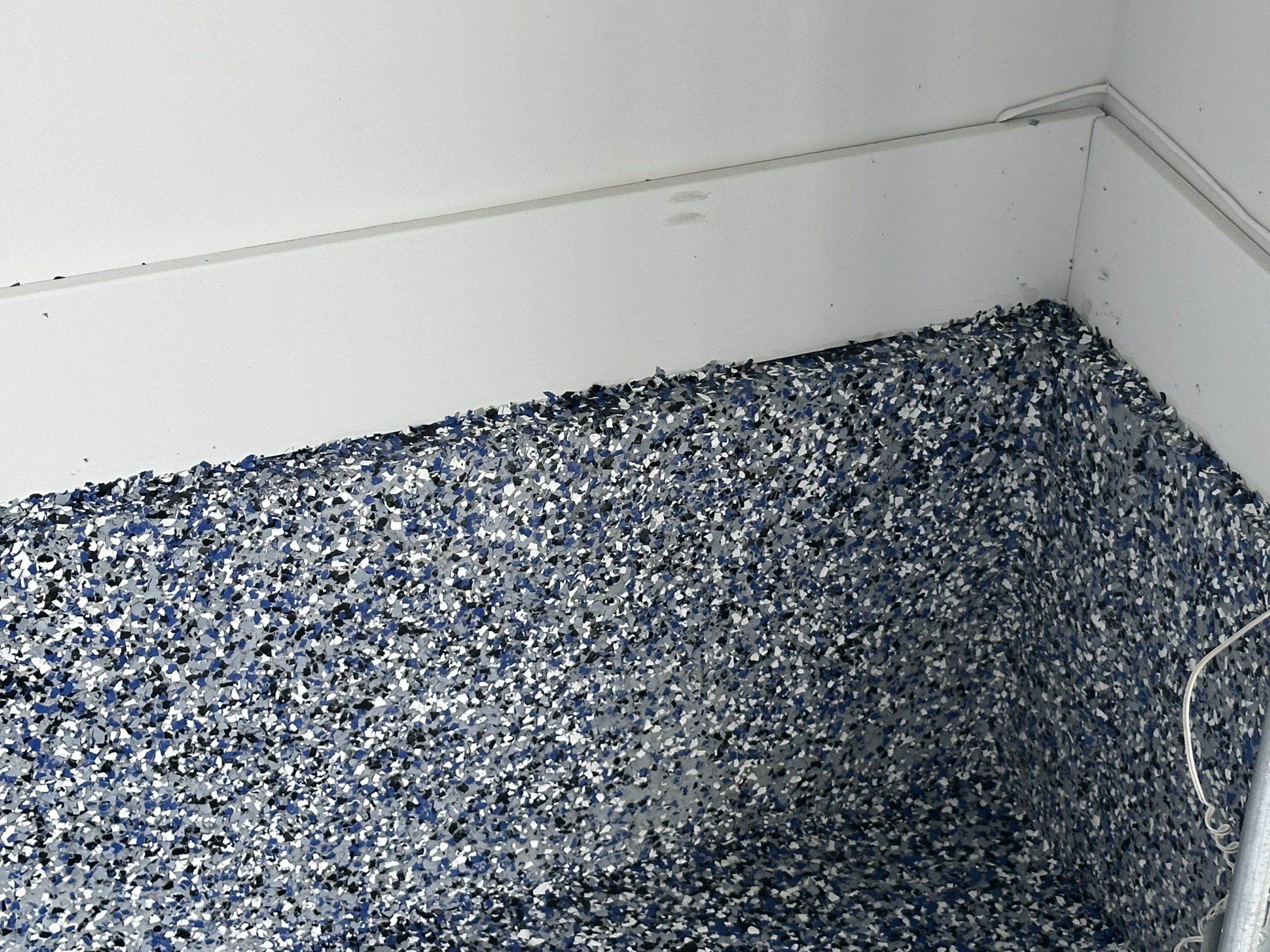
After the coating cured and the garage could finally be walked on and inspected closely, the finished result was not acceptable. Multiple defects were observed throughout the project area, including an excessively rough and abrasive surface, sharp protruding flakes or ridges, areas with little or no coating/flake coverage, inconsistent flake distribution, uneven color, sloppy transitions, jagged ledges, and epoxy/flakes applied onto brand-new finished trim boards.
The issue is not only cosmetic. The surface is sharp enough to scratch or cut skin during normal household contact, and normal cleaning materials can catch, tear, or shred when used on the floor, ledges, and stem wall areas. Because of this, the garage cannot be comfortably or safely used as intended.
The condition after the installation left the garage worse than it was before the work was performed. Corrective work, repainting, trim repair or replacement, and additional contractor labor are now required to restore the space. Based on the defects, the safety concerns, and the opinions of other contractors who inspected the work, Ryan and Katie believe this was an improper and failed installation and are seeking a full refund of the $3,498.00 paid or payment sufficient for a qualified contractor to properly correct the work.

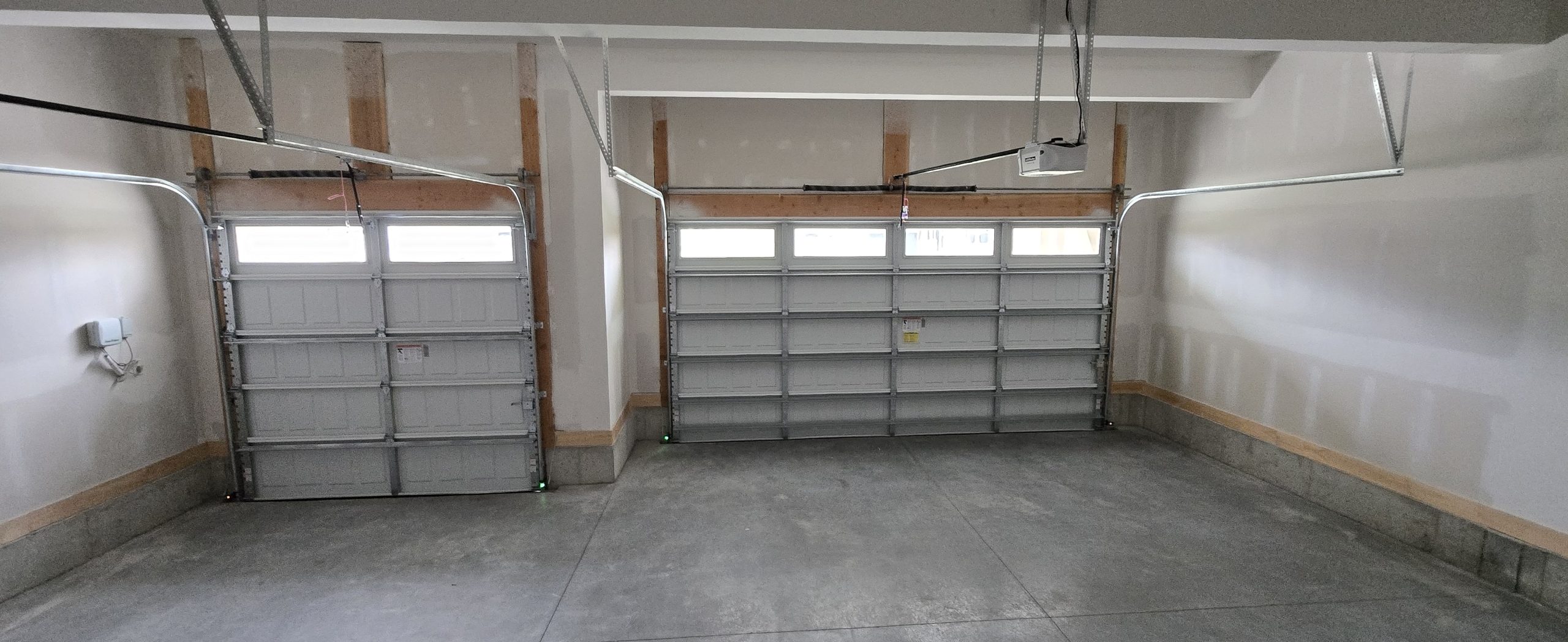
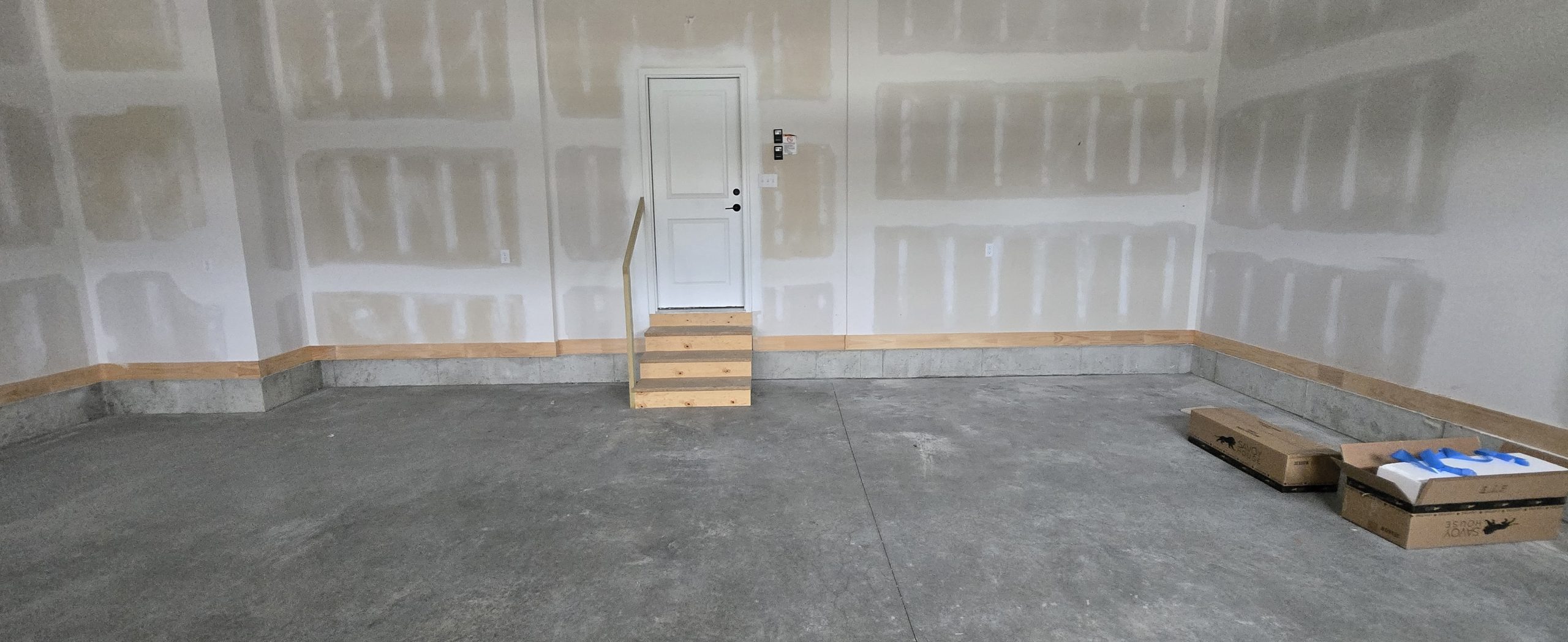
GALLERY 1 – WHEN HOME WAS PURCHASED
These photos show the garage while Ryan and Katie were in escrow to purchase the home. At that time, the builder planned to sell the home with the garage in the unfinished condition shown in these photos. The drywall was installed, but the garage was not yet fully finished or painted.
Because Ryan and Katie intended to use the garage as a clean home office/workspace, they asked the builder to finish the garage before move-in. The builder requested $1,000 in addition to the home purchase price to complete that work. Ryan and Katie agreed, and the garage was freshly finished and painted white when they moved into the home in January 2026.
These photos are important because they show the starting condition and help document that Ryan and Katie had already paid to improve the garage before hiring Lotus Concrete Coatings LLC.
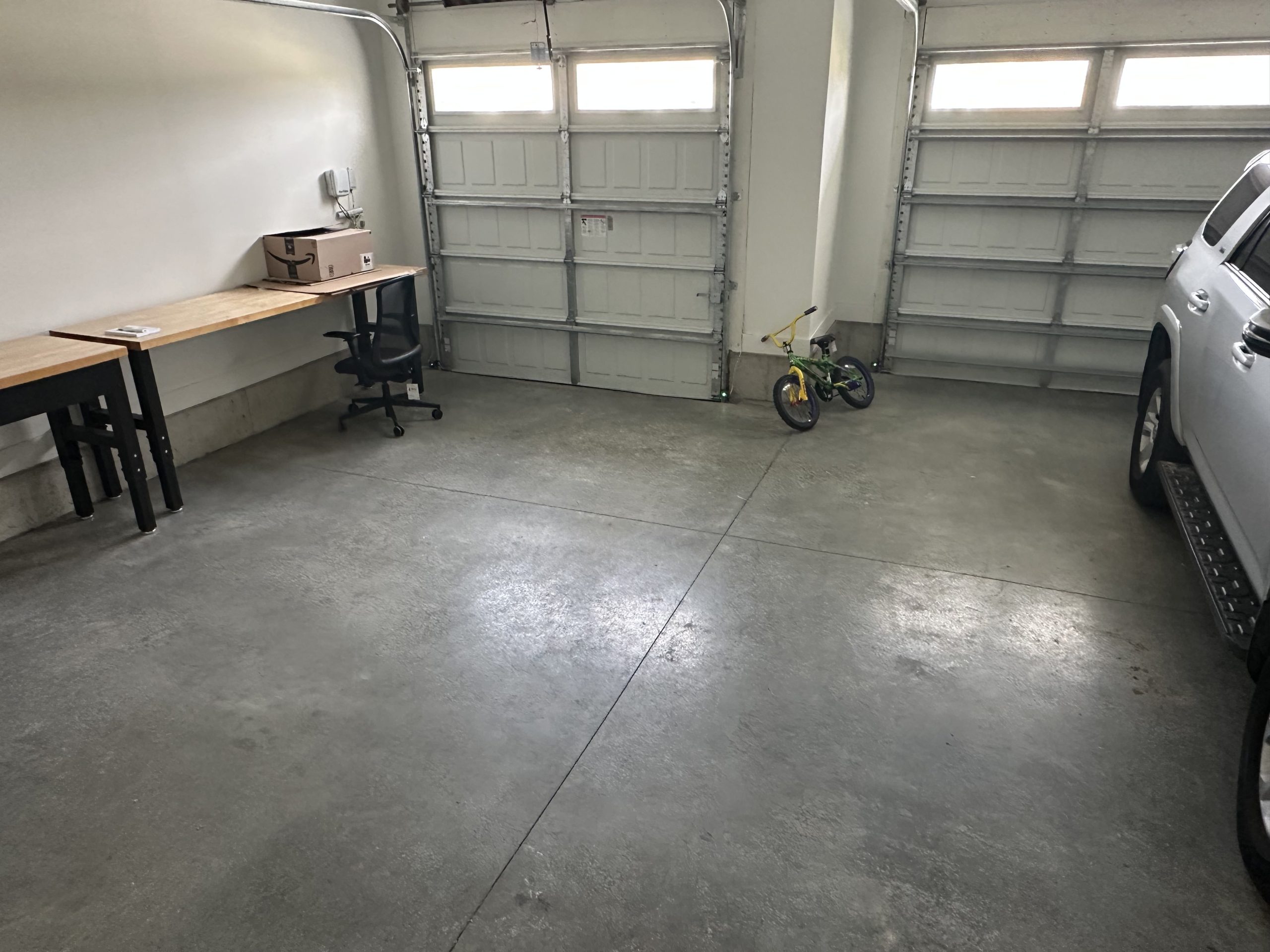
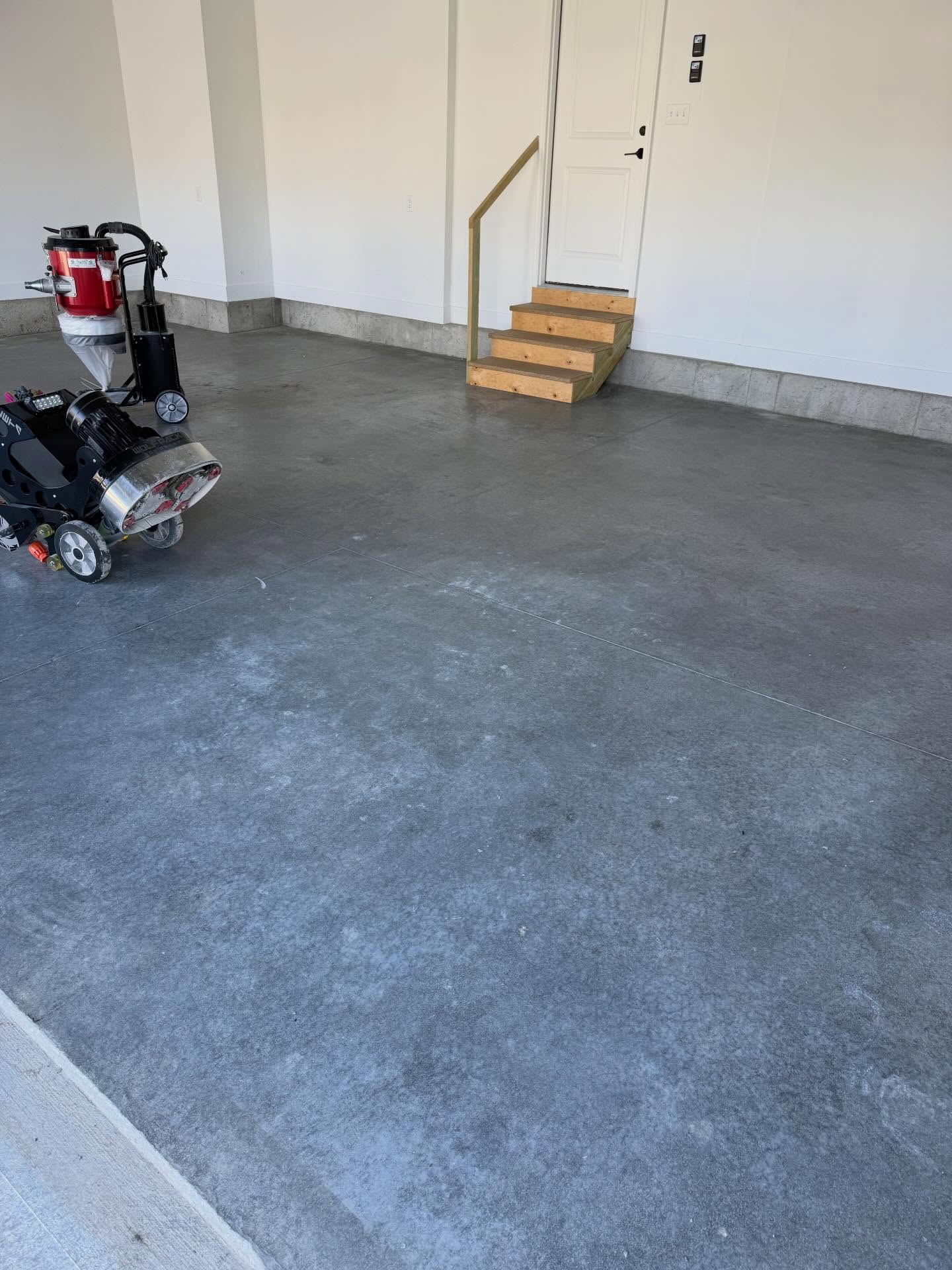
GALLERY 2 – BEFORE EPOXY COATING BY WYATT
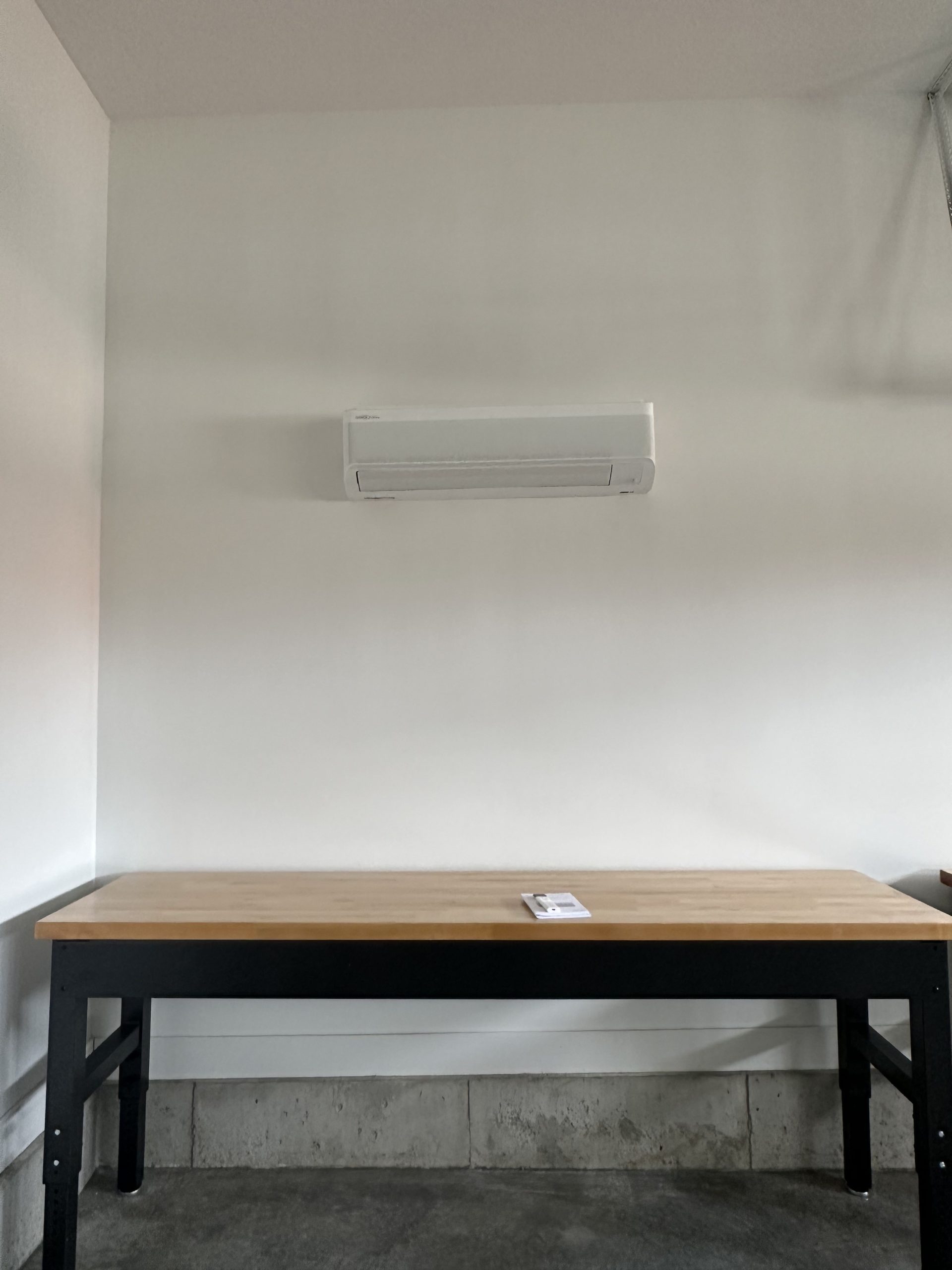
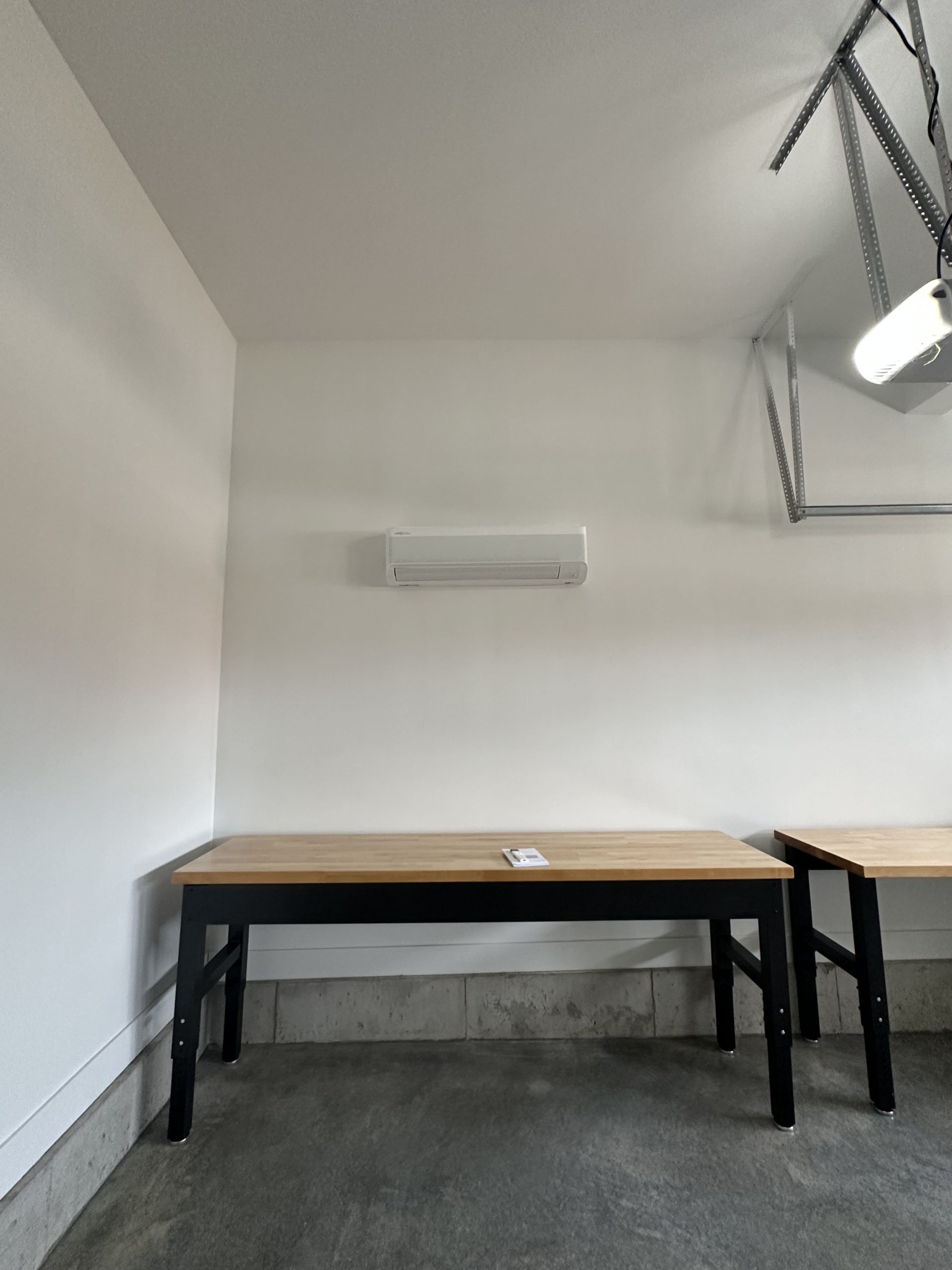
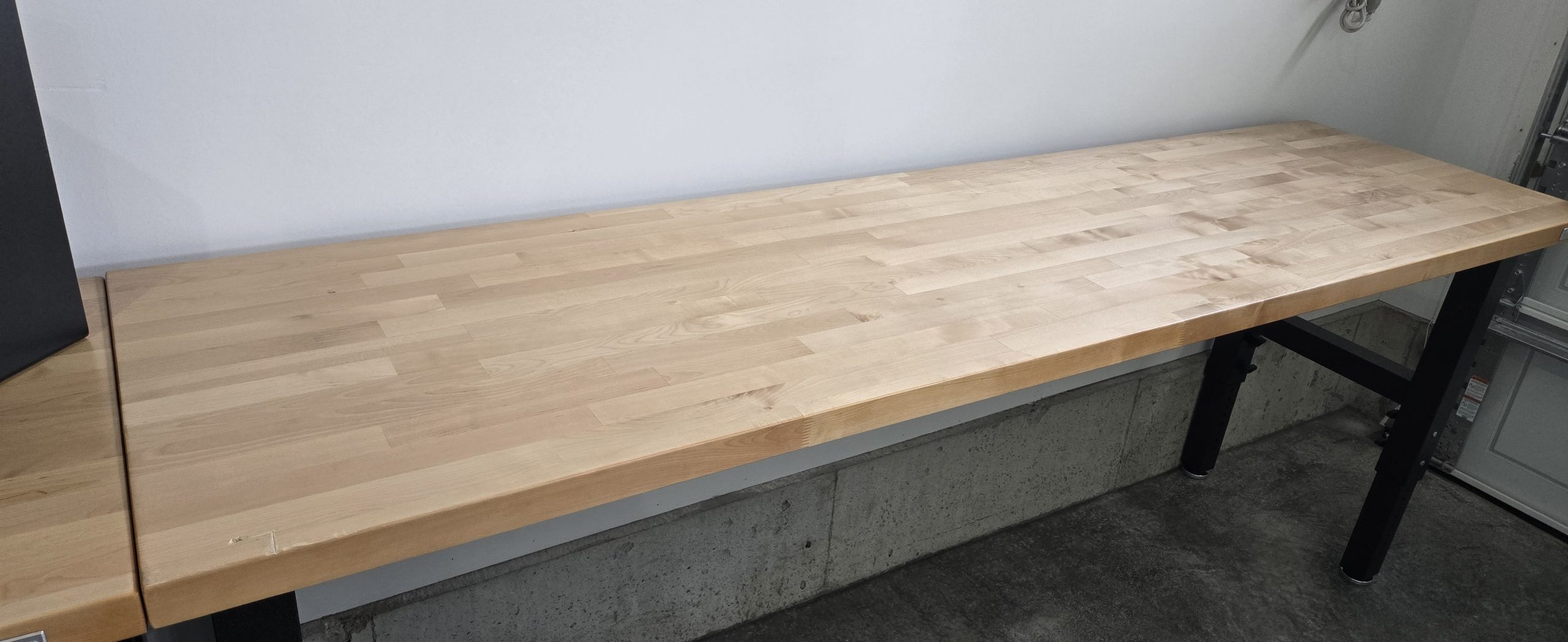
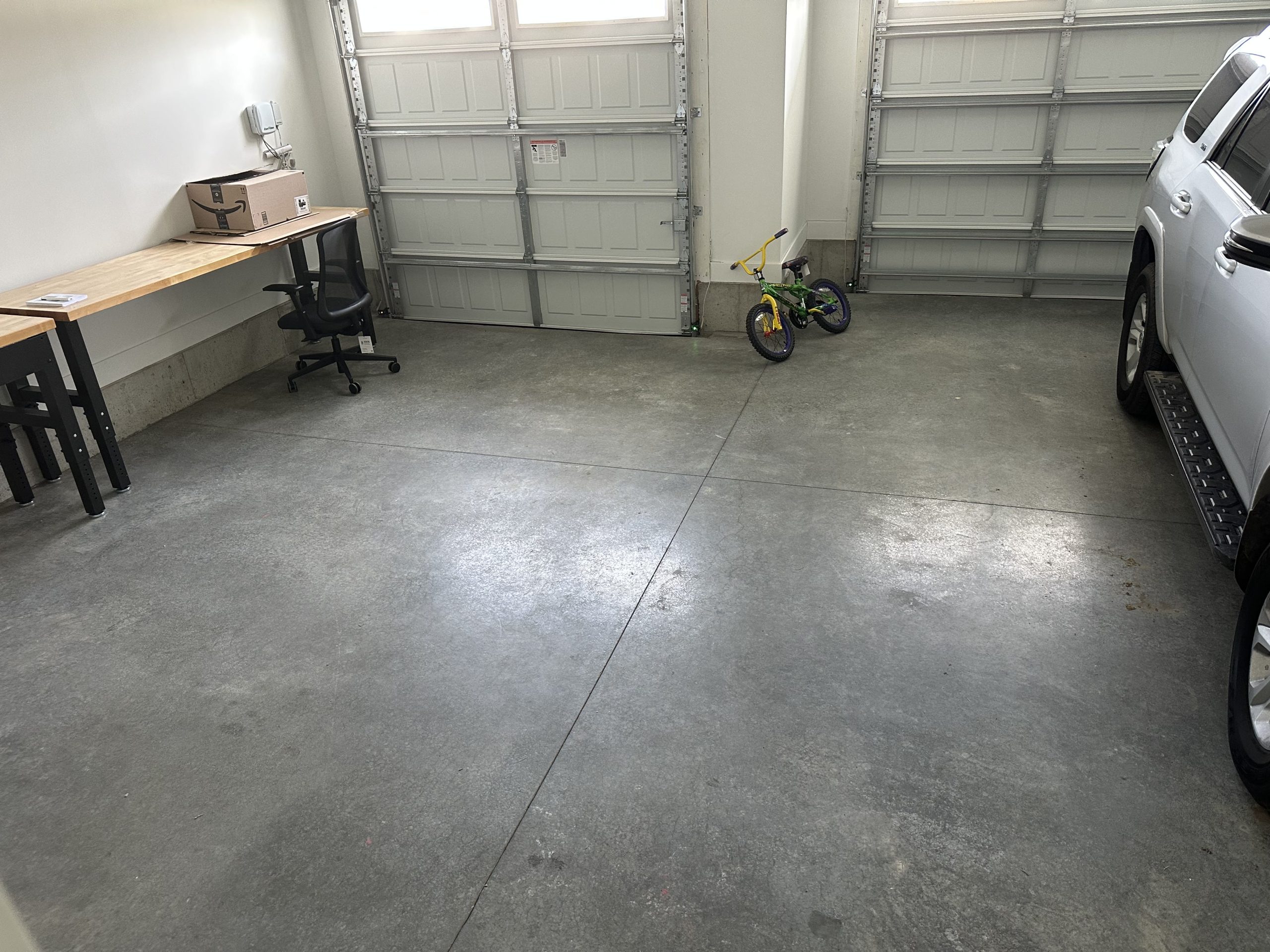
These photos show the garage immediately before Wyatt performed the epoxy coating work. The garage was new, clean, freshly painted, and in good condition. The concrete was new and was not heavily stained, oily, or damaged. The walls, trim, and perimeter areas were clean and freshly finished.
The photos also show clean transitions between the concrete stem walls, floor, walls, and trim before the coating work began. These areas later became major points of concern because epoxy and flake material were applied onto the brand-new trim and the perimeter lines were left rough, jagged, and unprofessional.
The final photo in this group is Wyatt’s own photo that he posted on social media. It further documents the condition of the garage before the coating project and before the defects shown later were created.
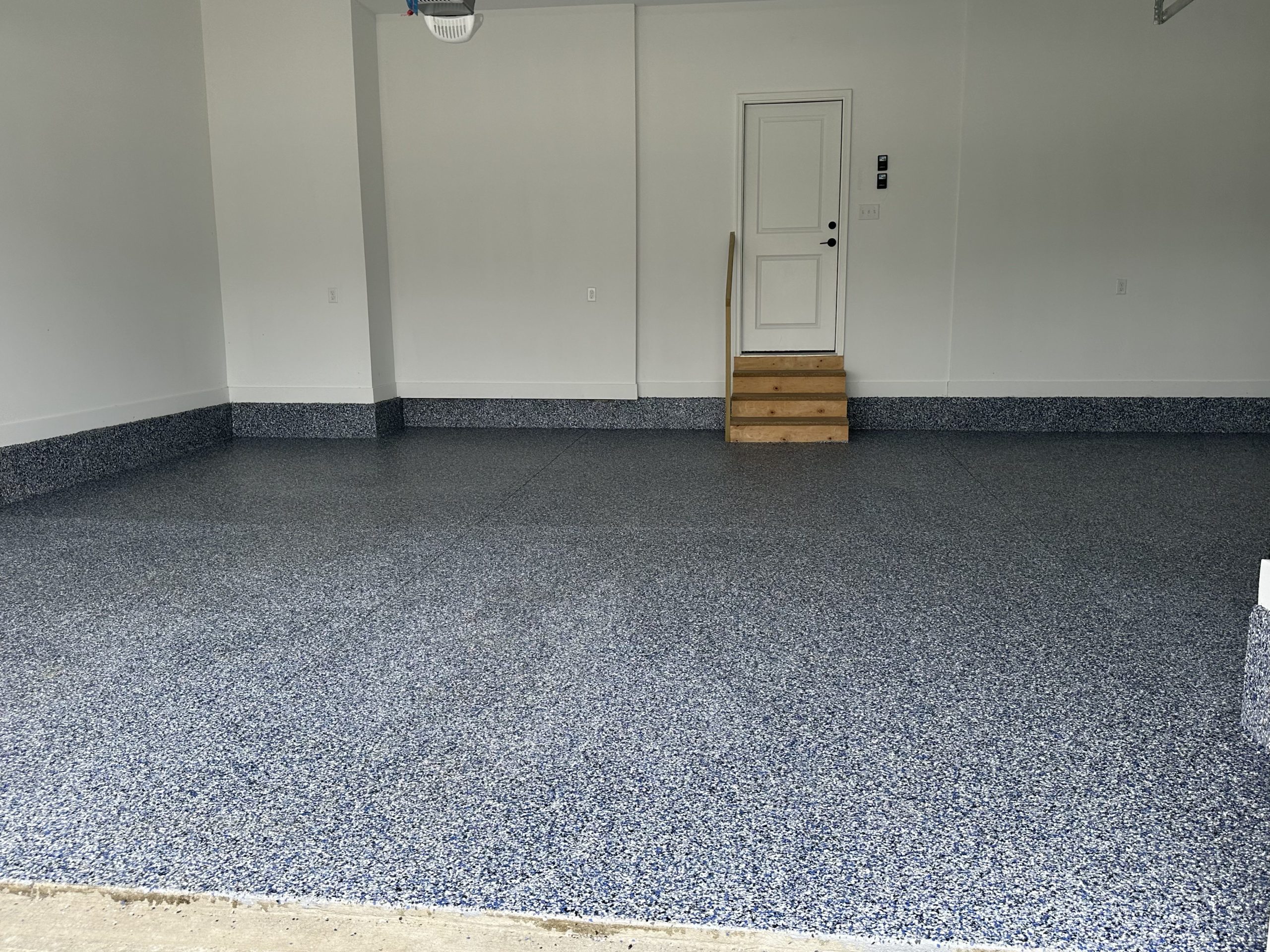
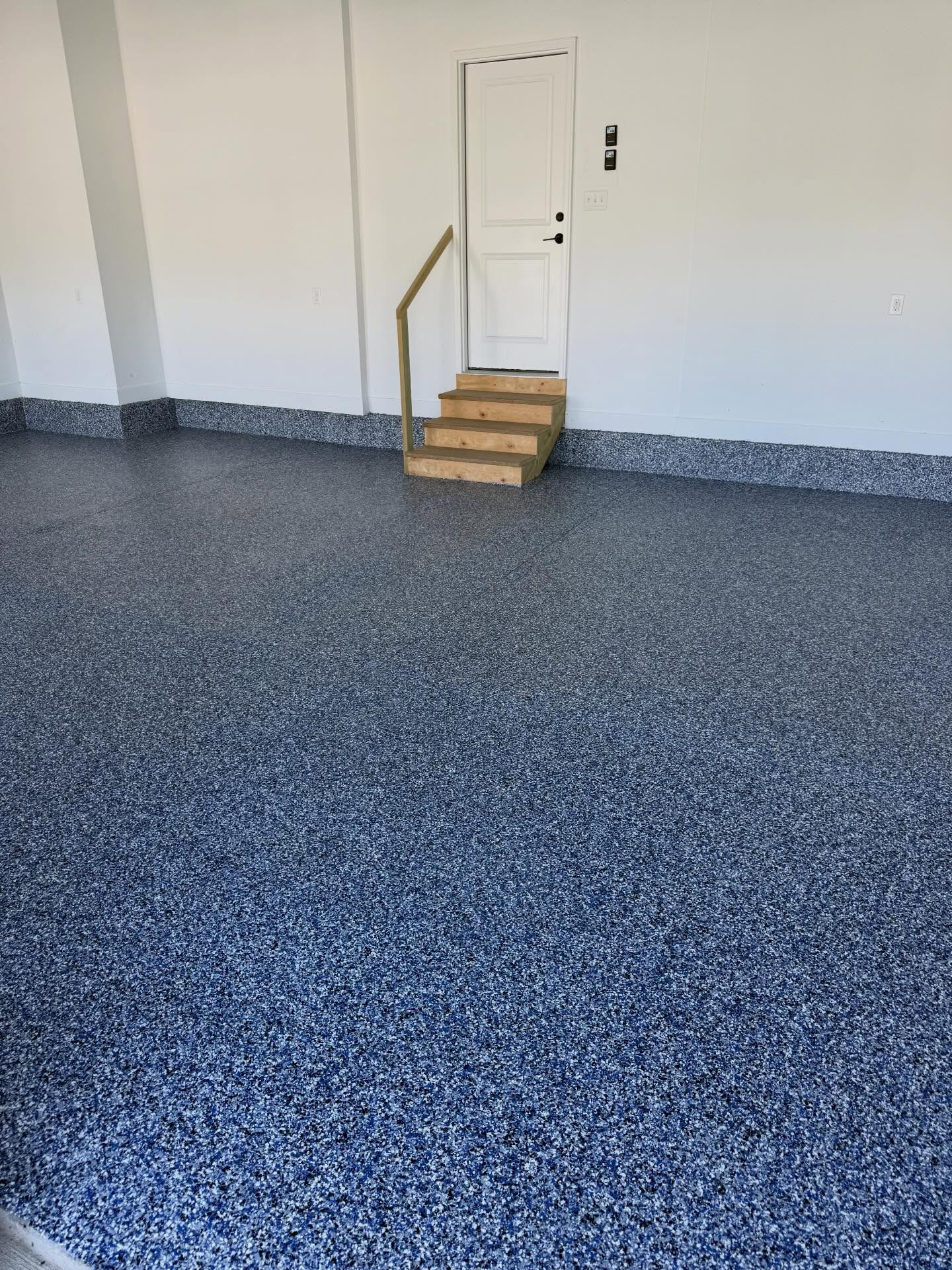
GALLERY 3 – AFTER INSTALLATION – BEFORE EPOXY CURED
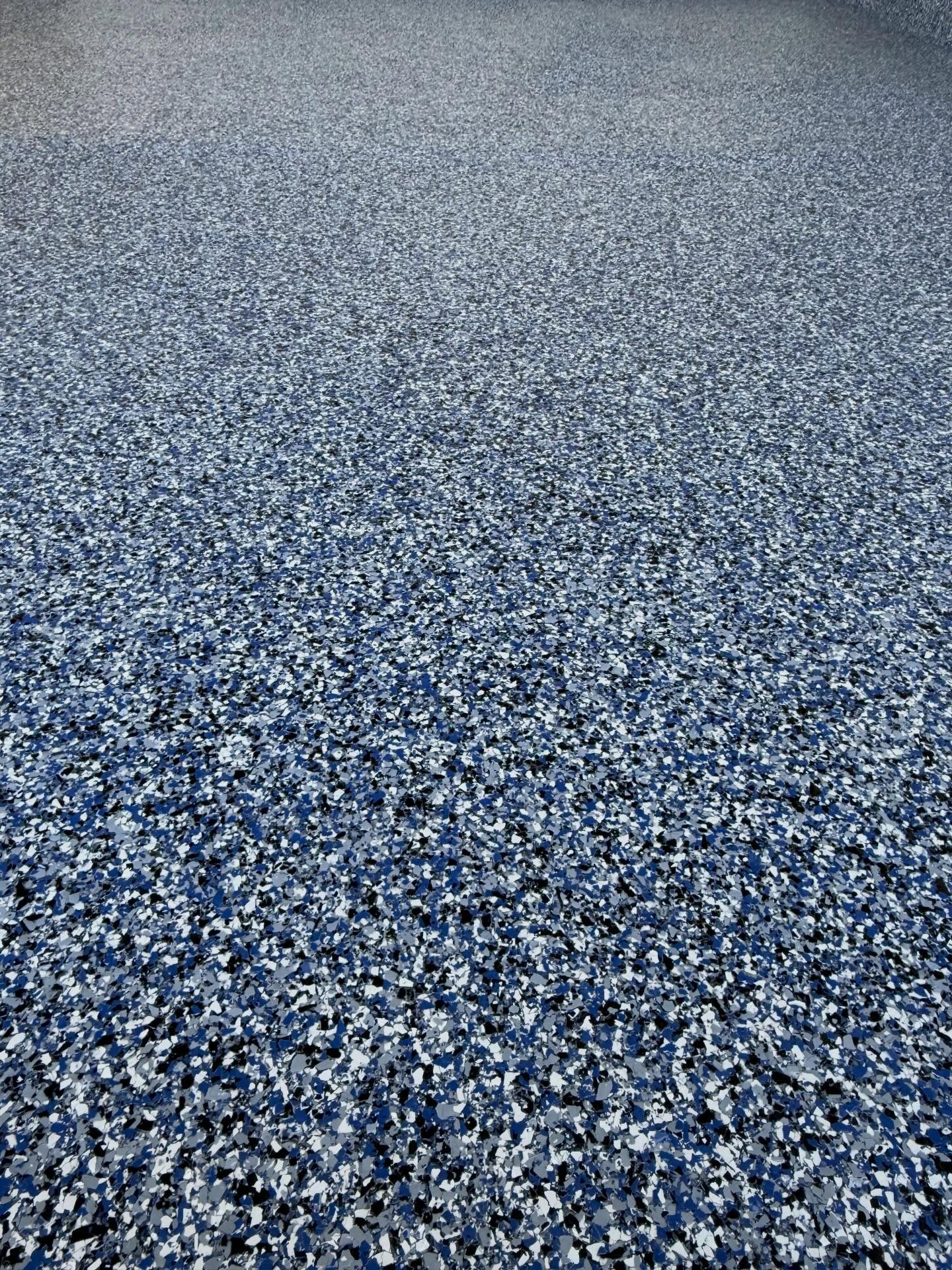
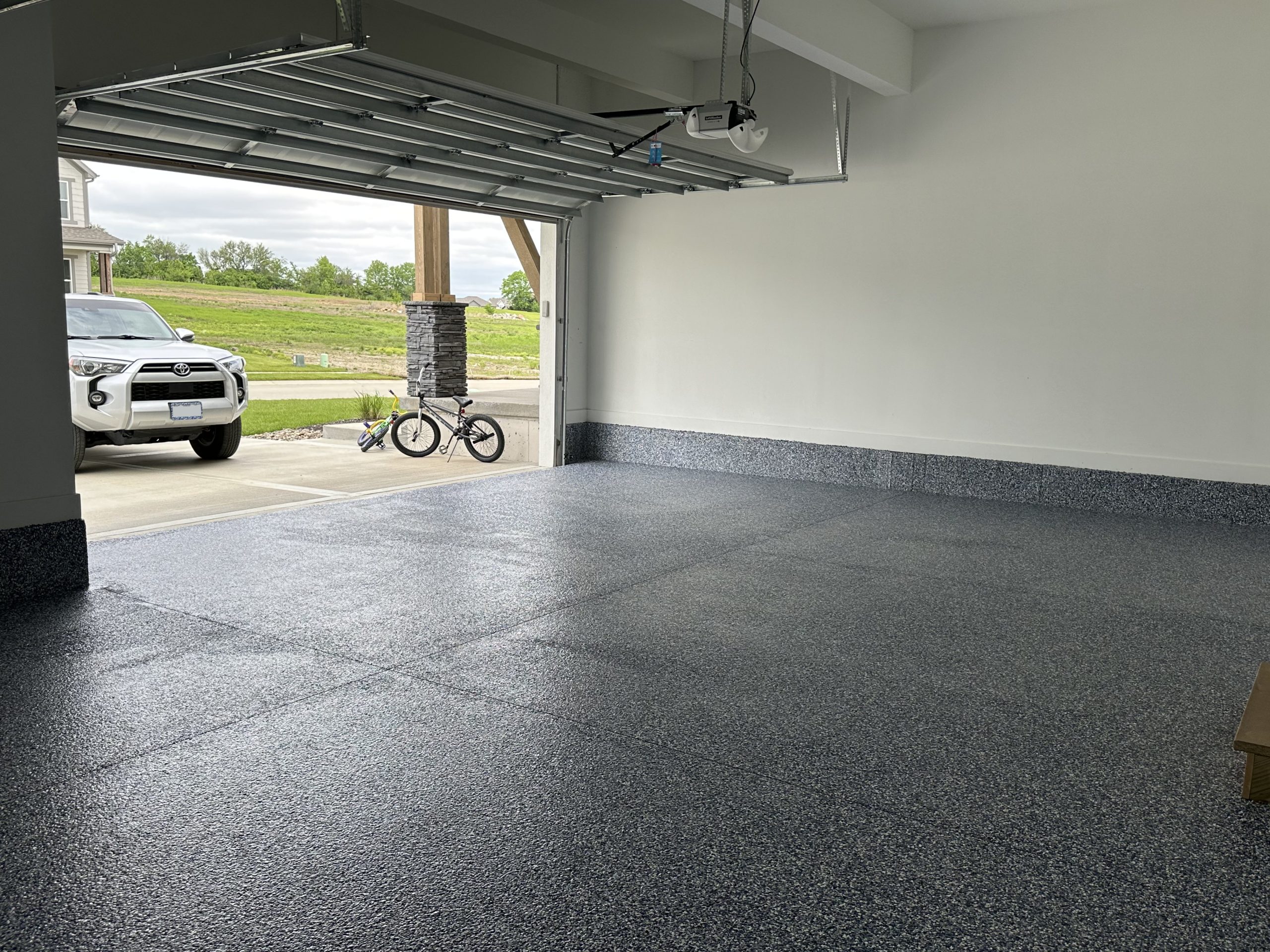
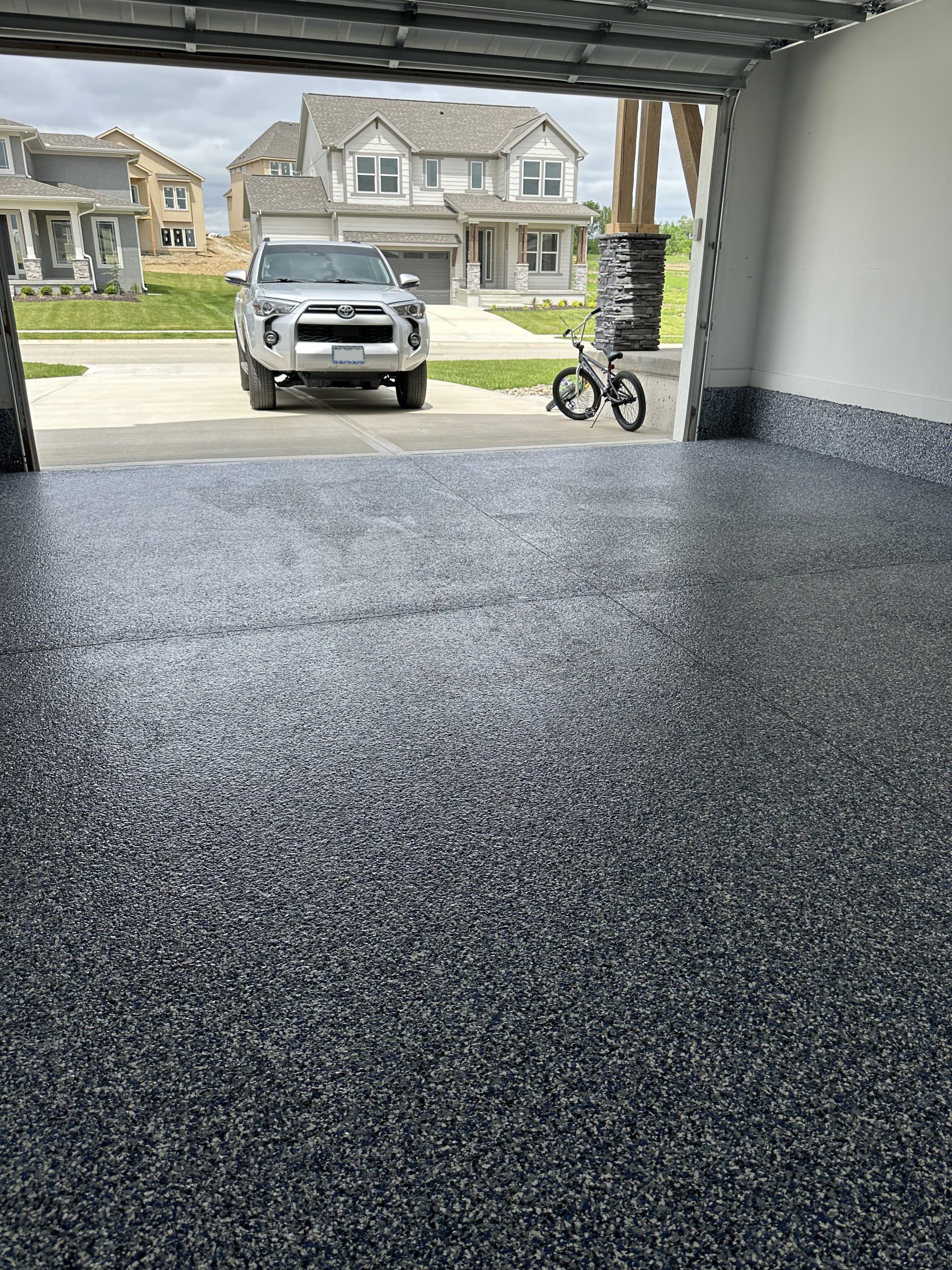
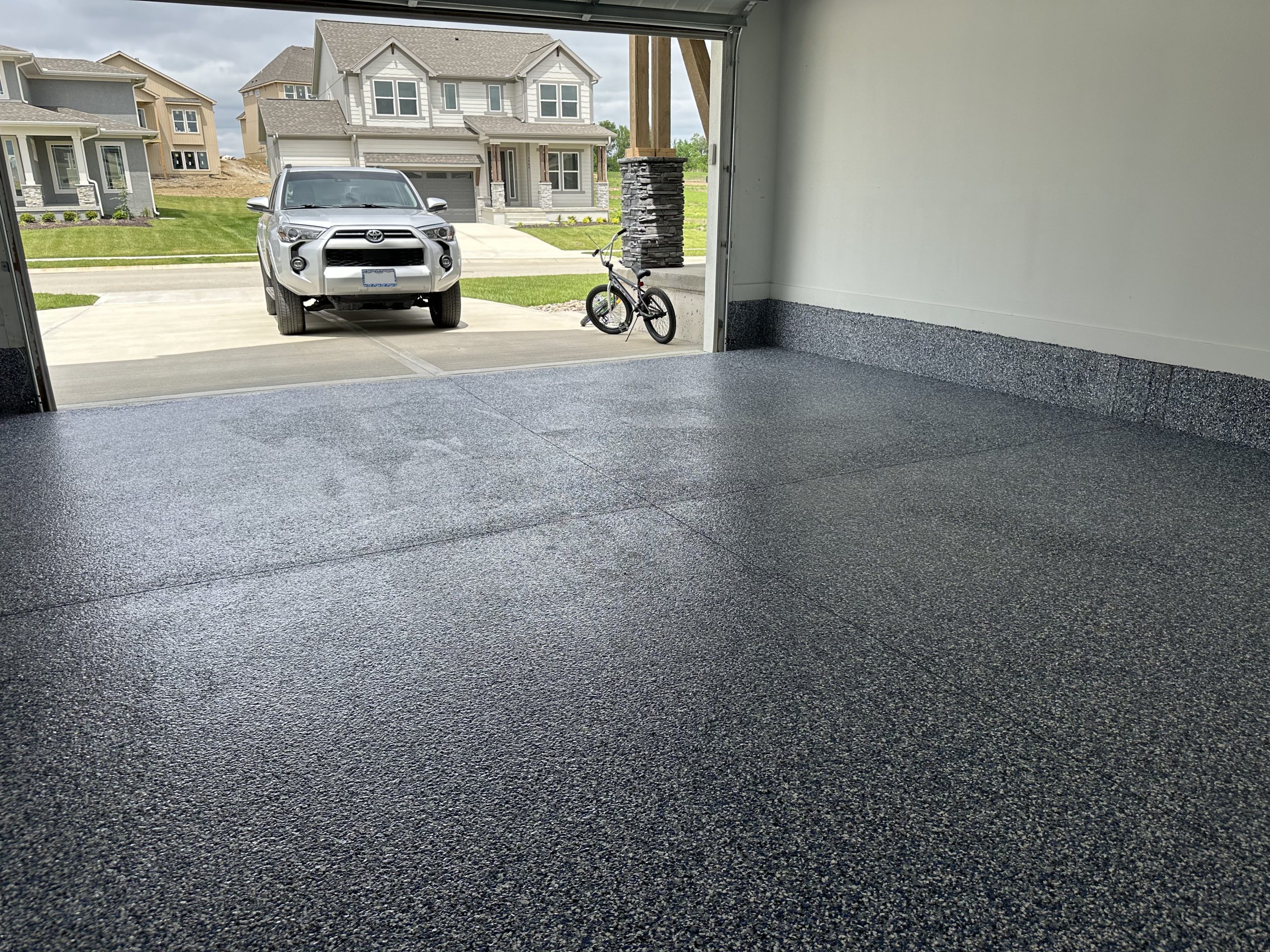
These photos were taken shortly after Wyatt represented the job as complete on April 21, 2026, but before the floor could be walked on or closely inspected. From the driveway, with the garage doors open, the project could appear acceptable at first glance. That distant view was misleading.
At this stage, Ryan and Katie could not safely walk on the floor or inspect the surface texture, sharpness, ledges, stem walls, corners, or perimeter finish. The finer details of the installation were not yet visible or testable. This is important because any early positive impression was based only on a distant view before the floor had cured.
Once the floor could be walked on, the serious problems became apparent, including sharp texture, protruding flakes, jagged ledges, rough stem walls, sloppy transitions, and areas that were unsafe or impractical for household use.
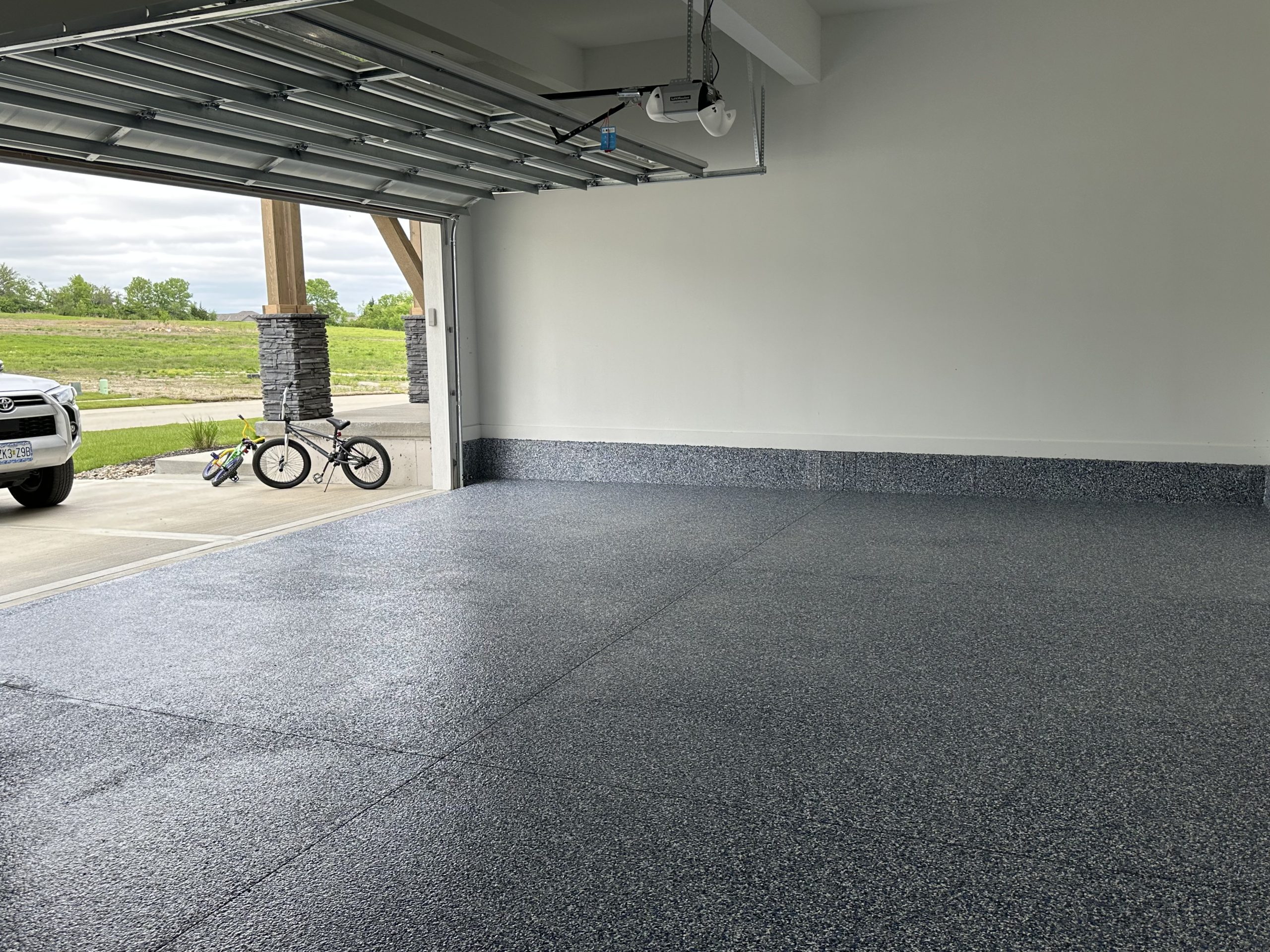
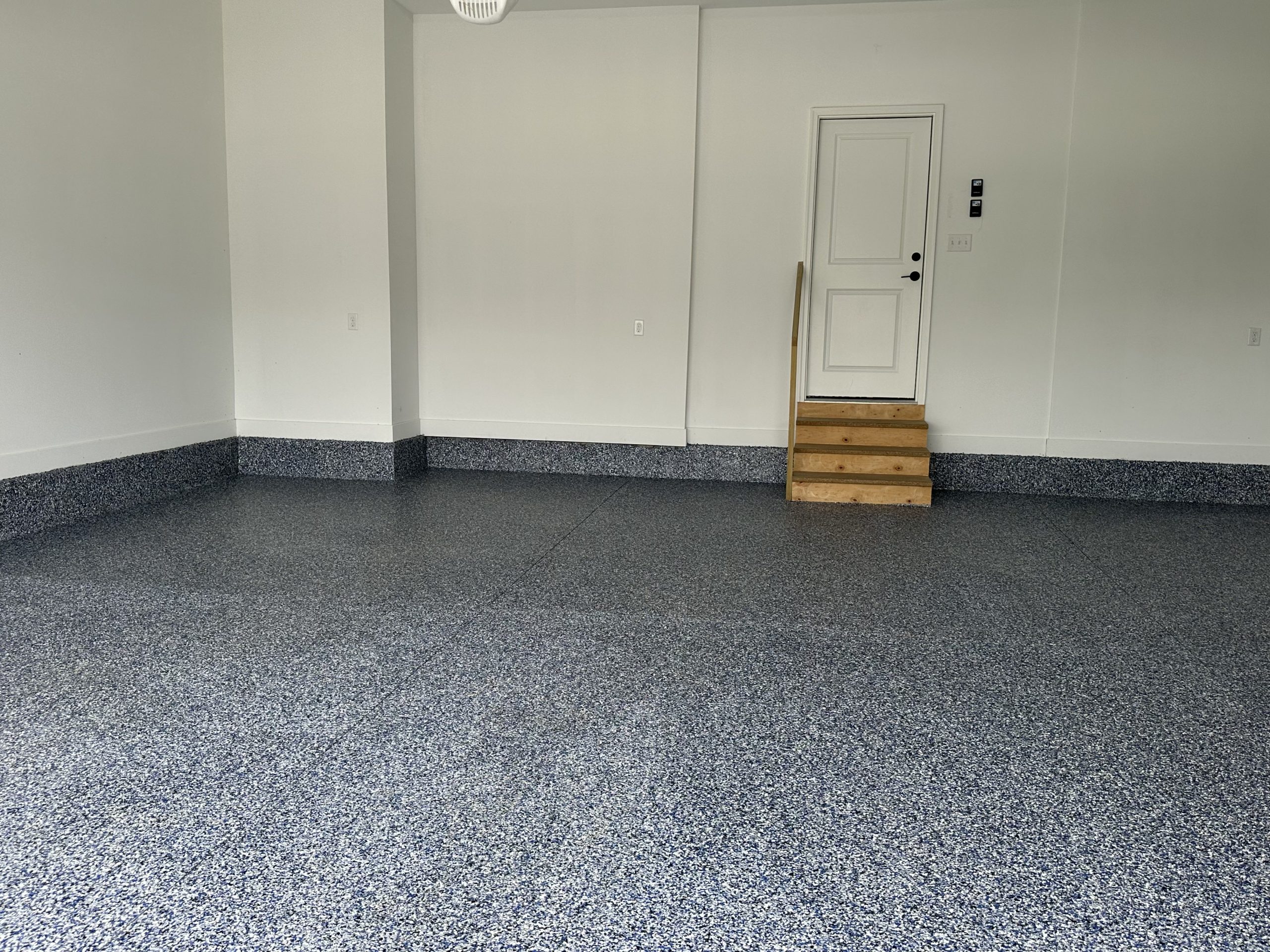
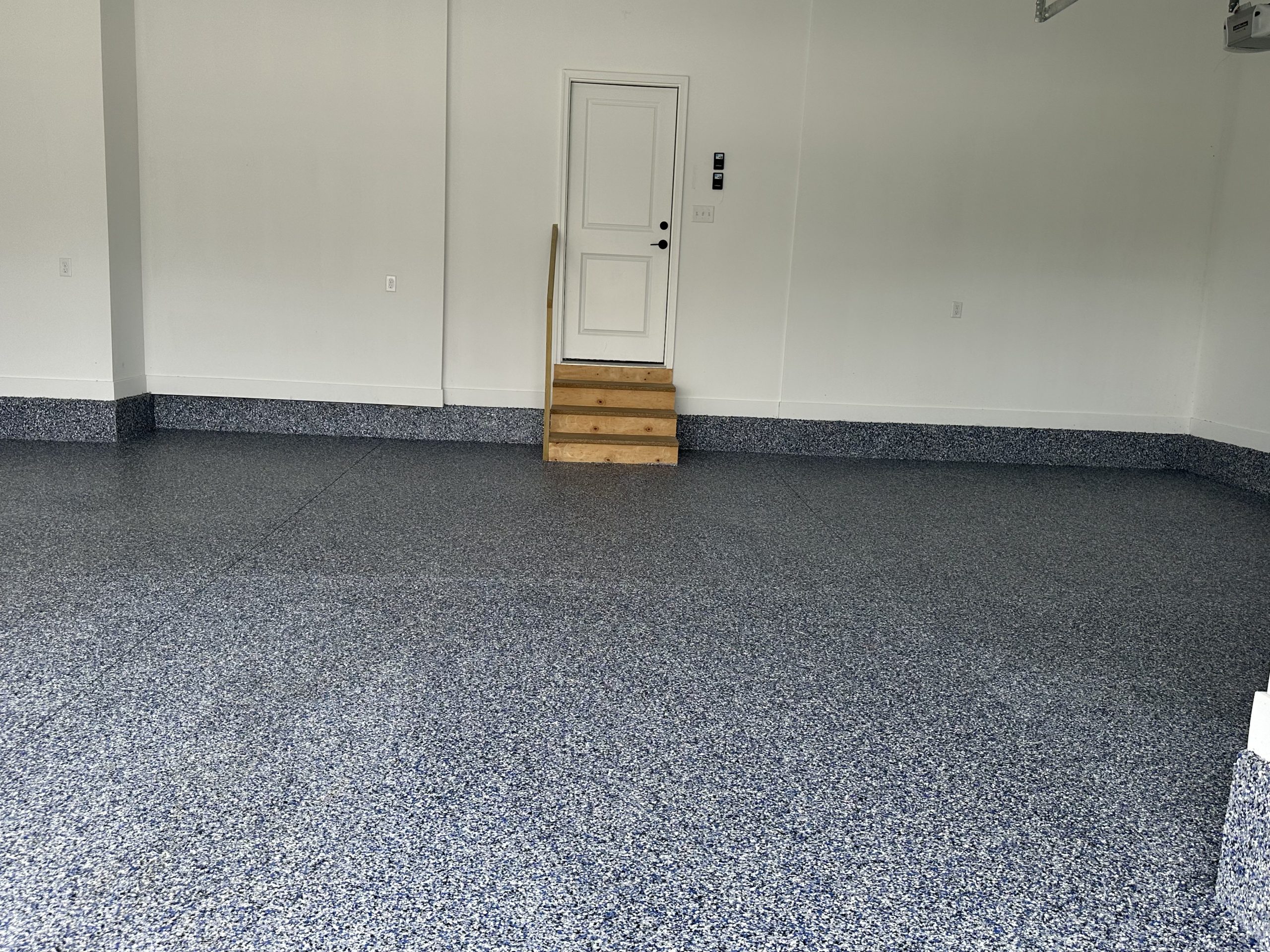
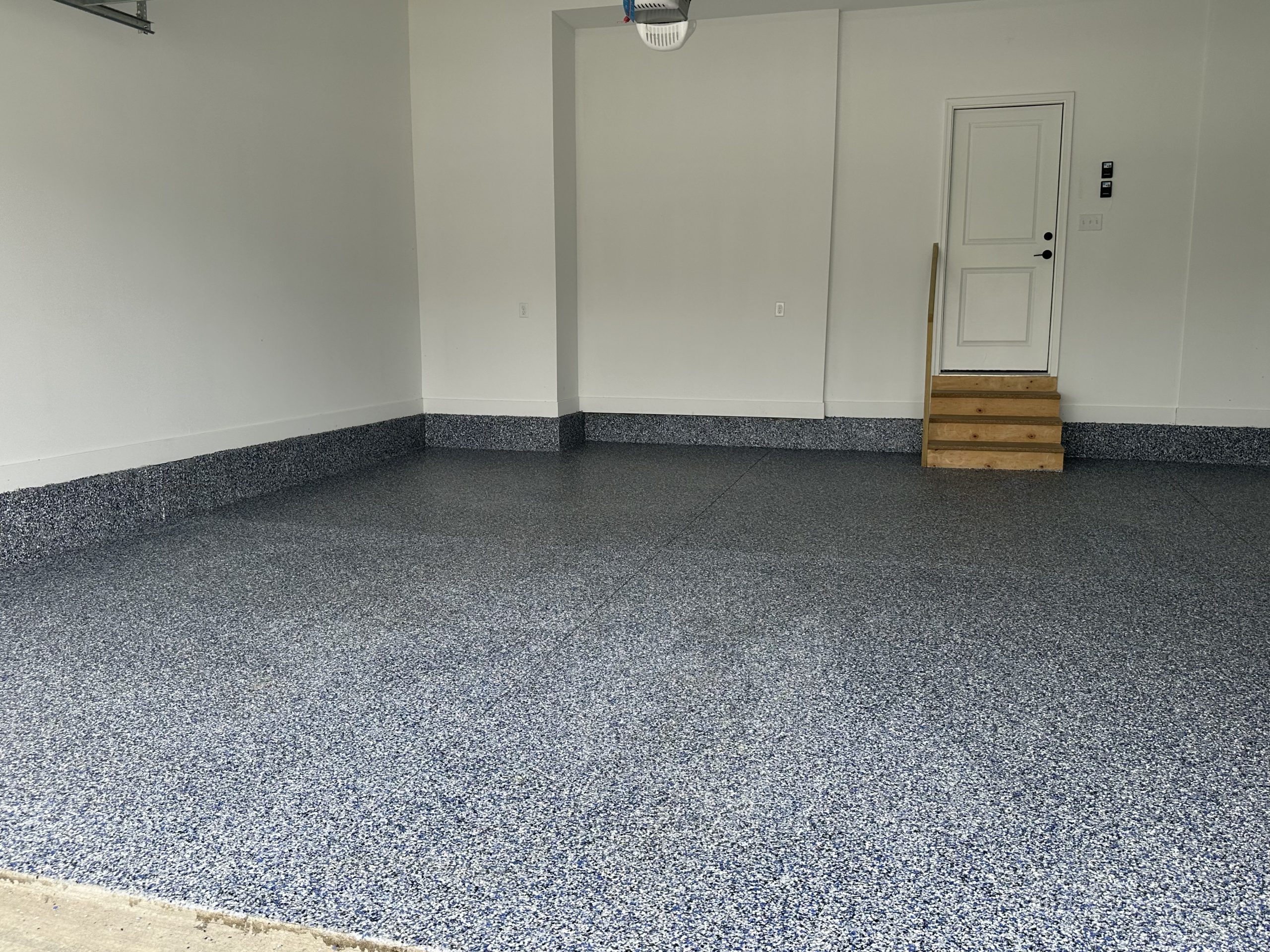
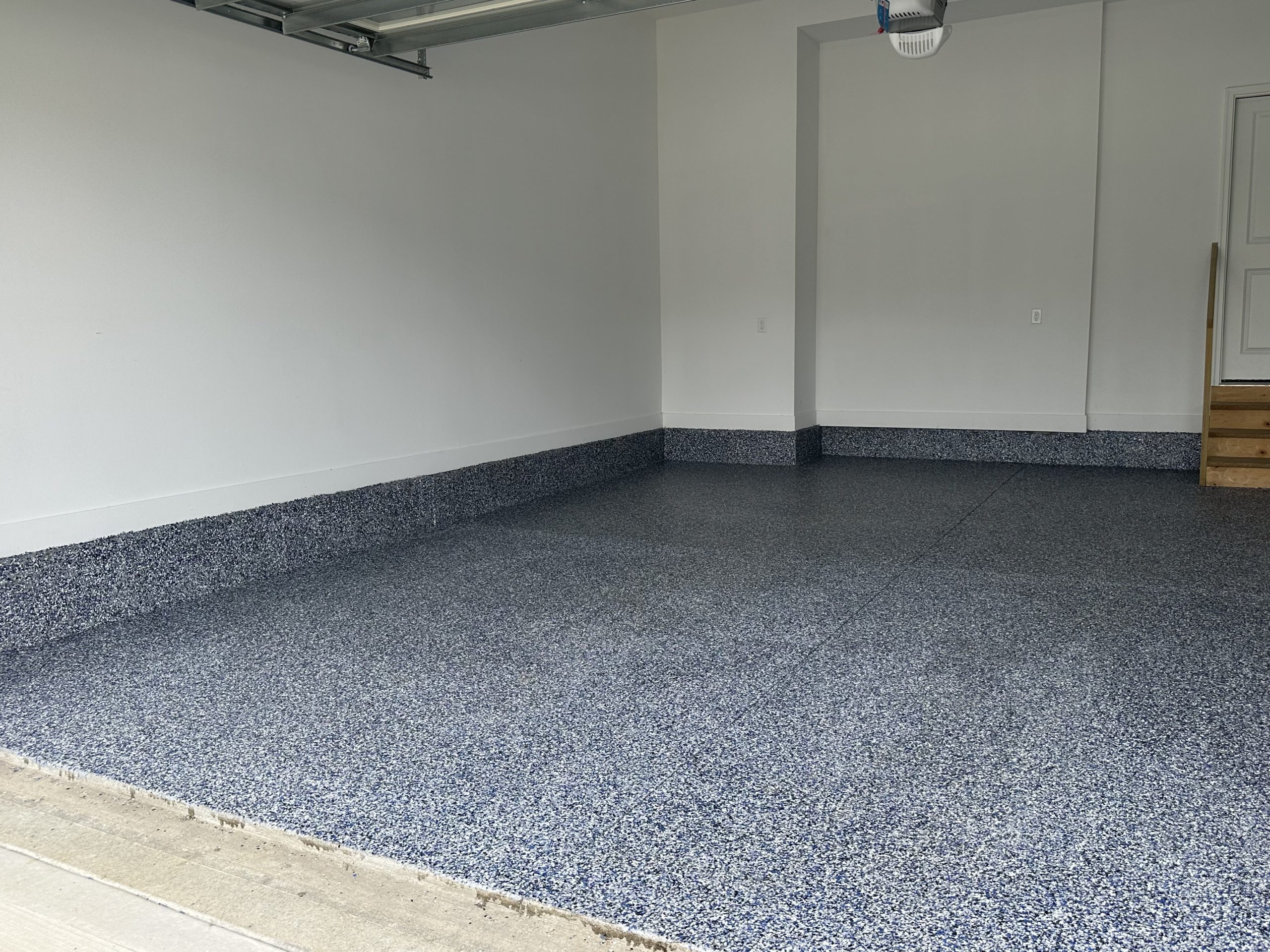
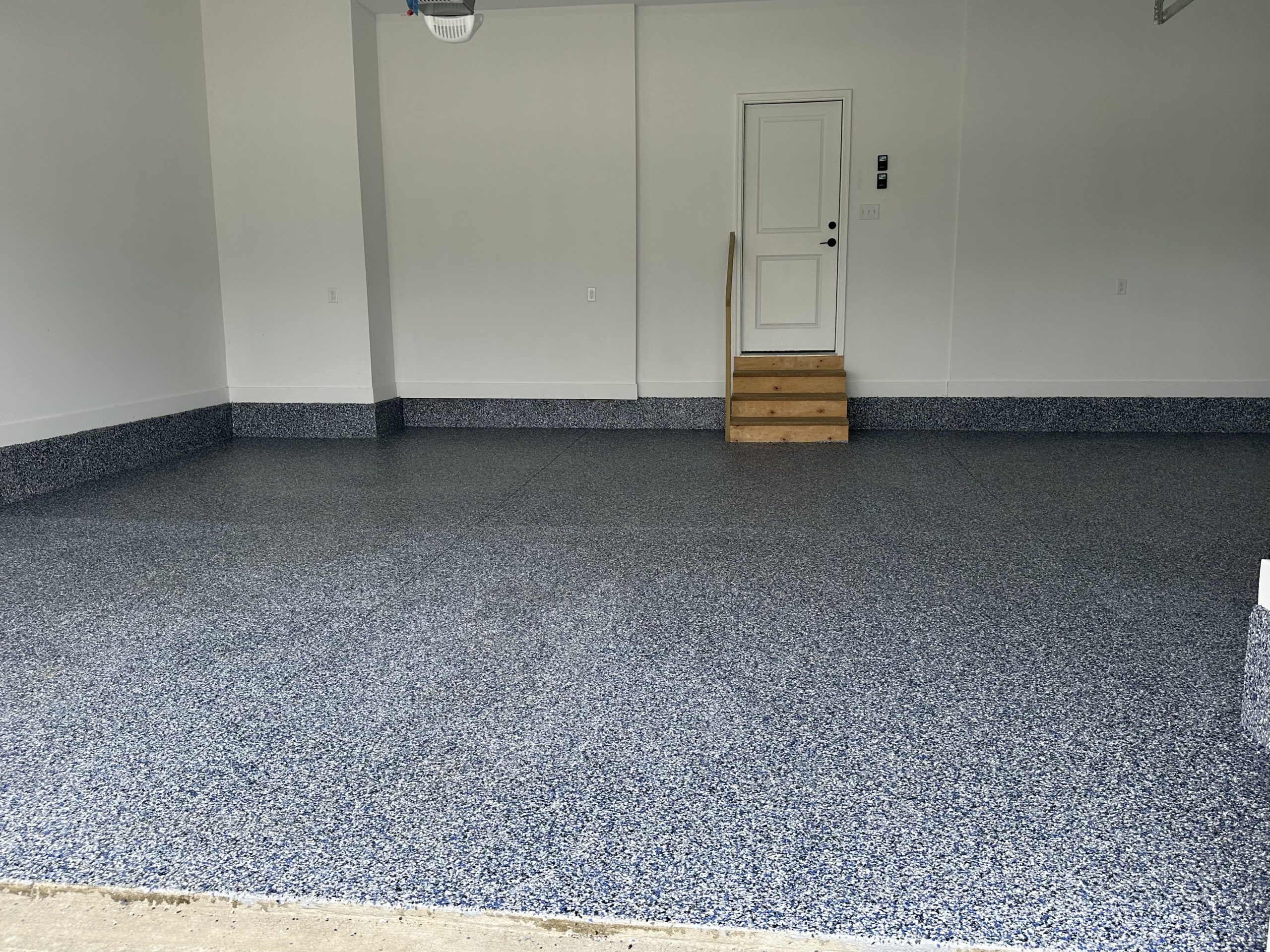
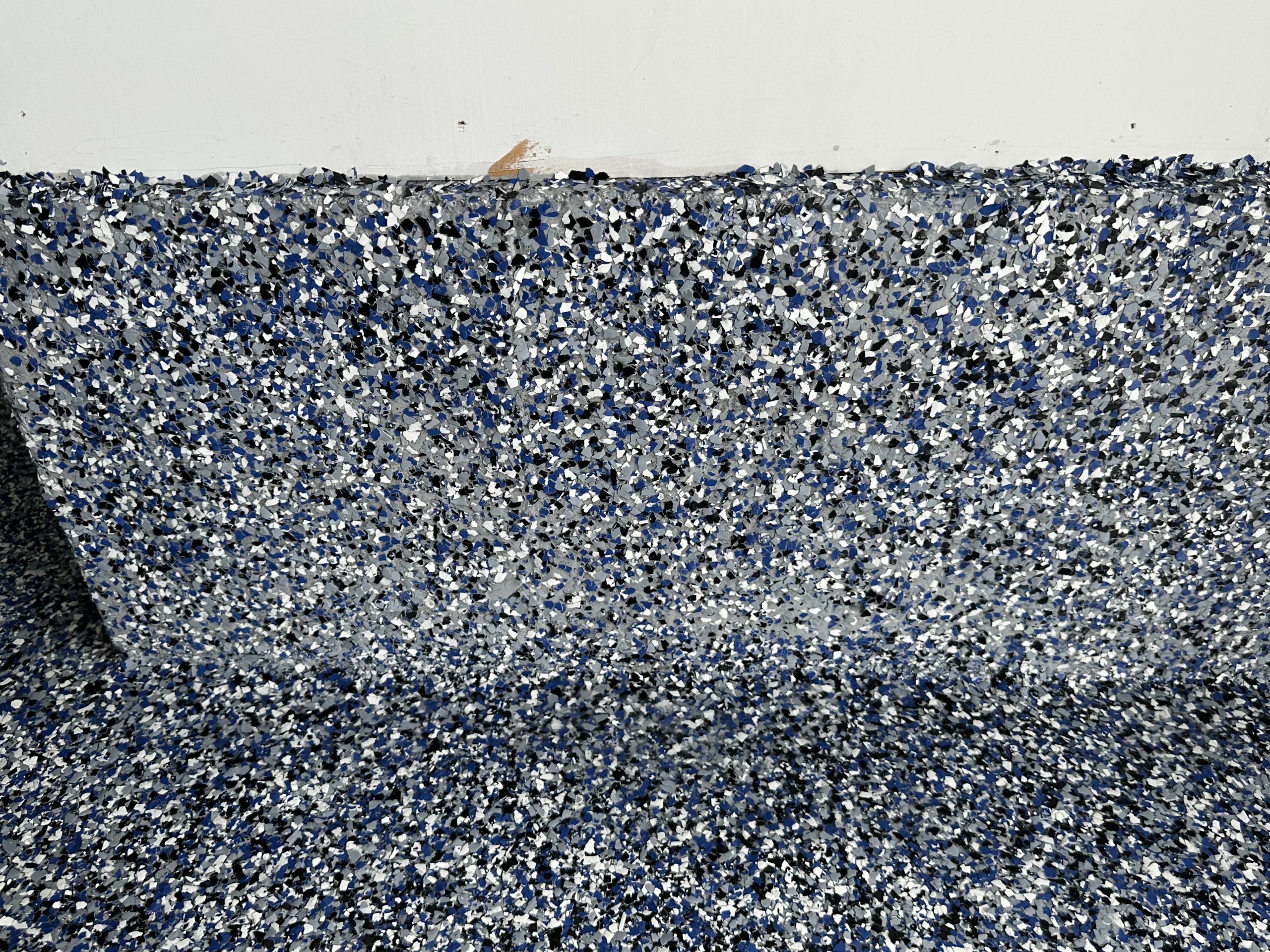
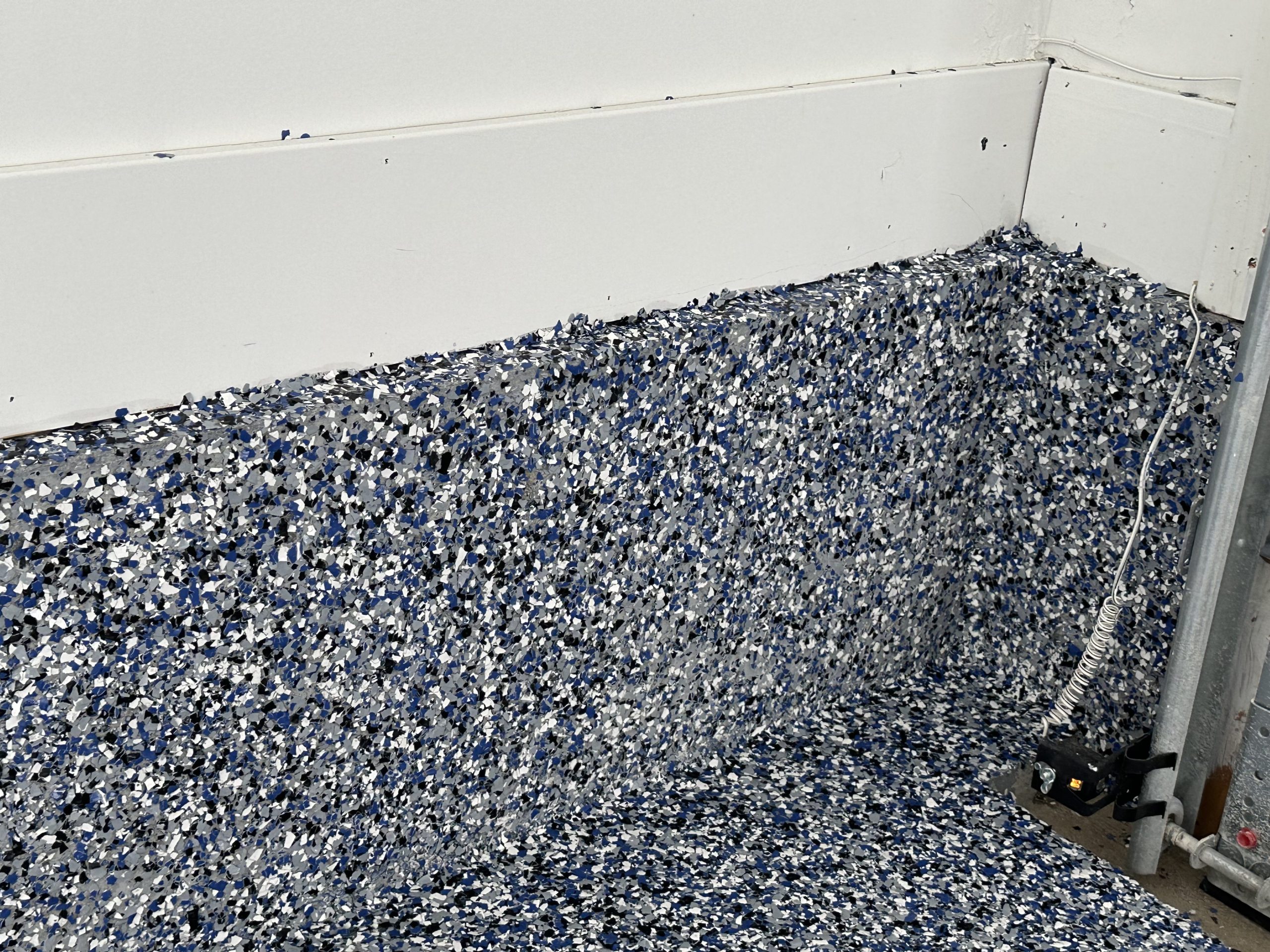
GALLERY 4 – COMPLETED JOB BY LOTUS CONCRETE – DEFECTS
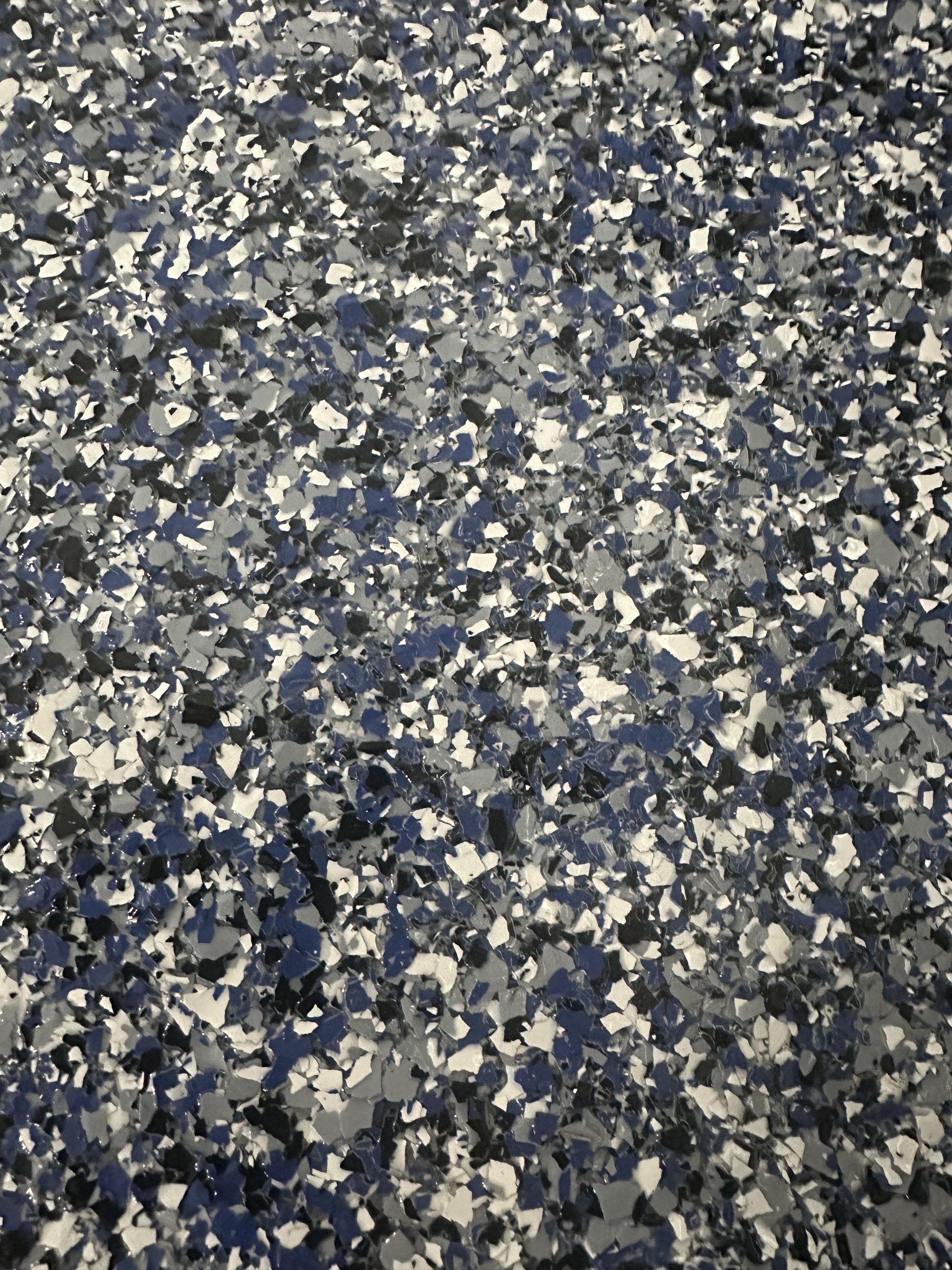
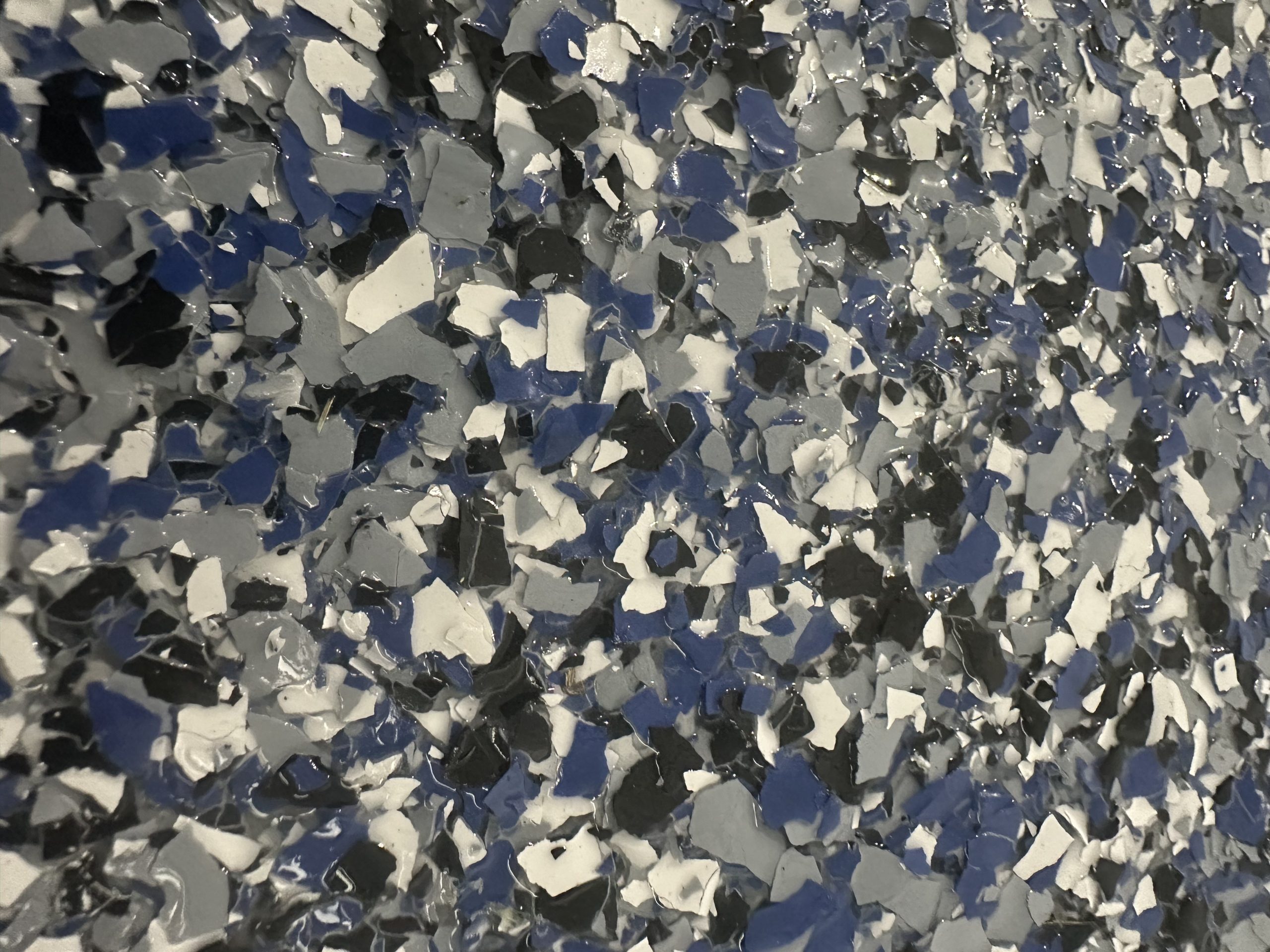
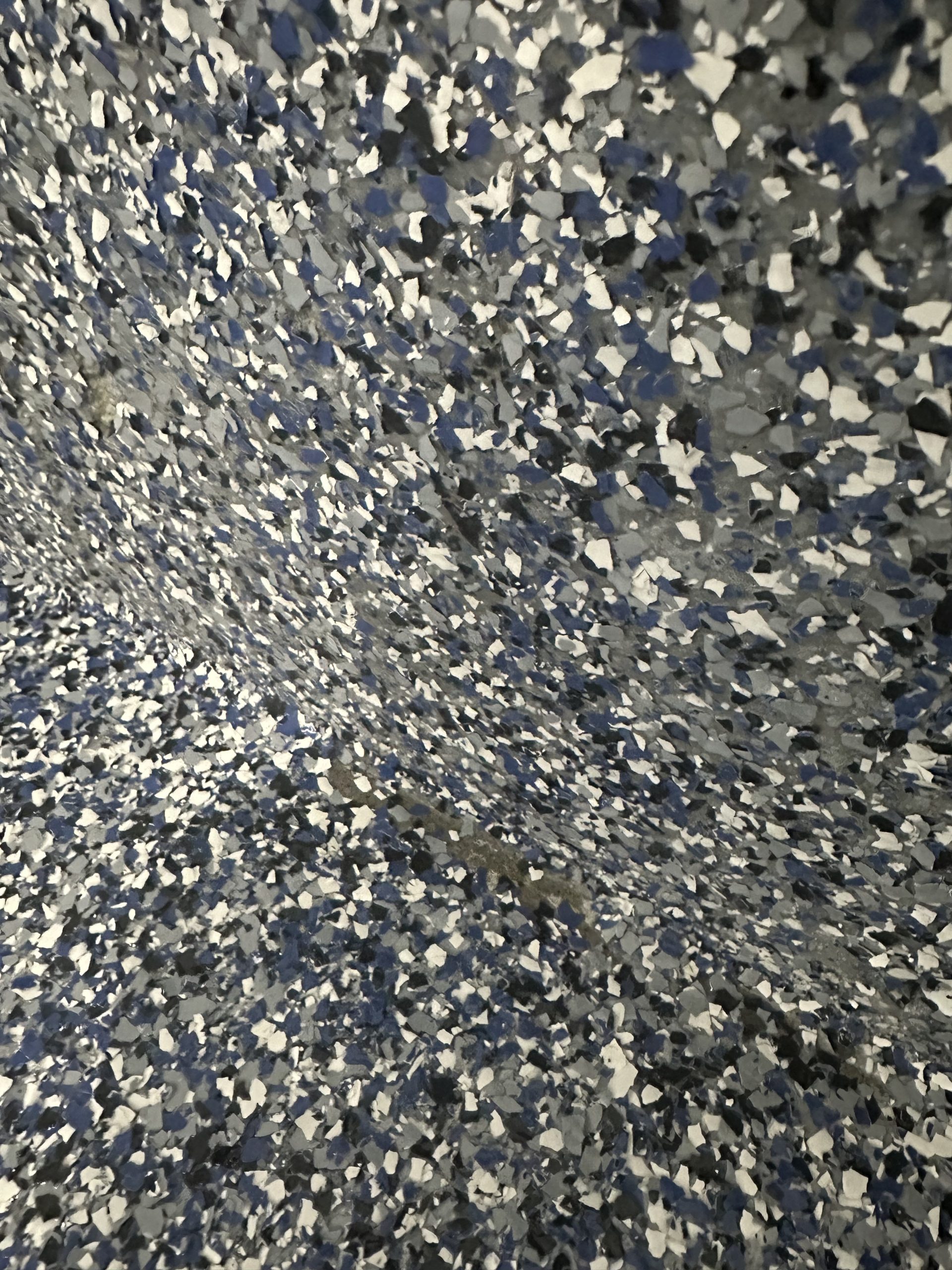
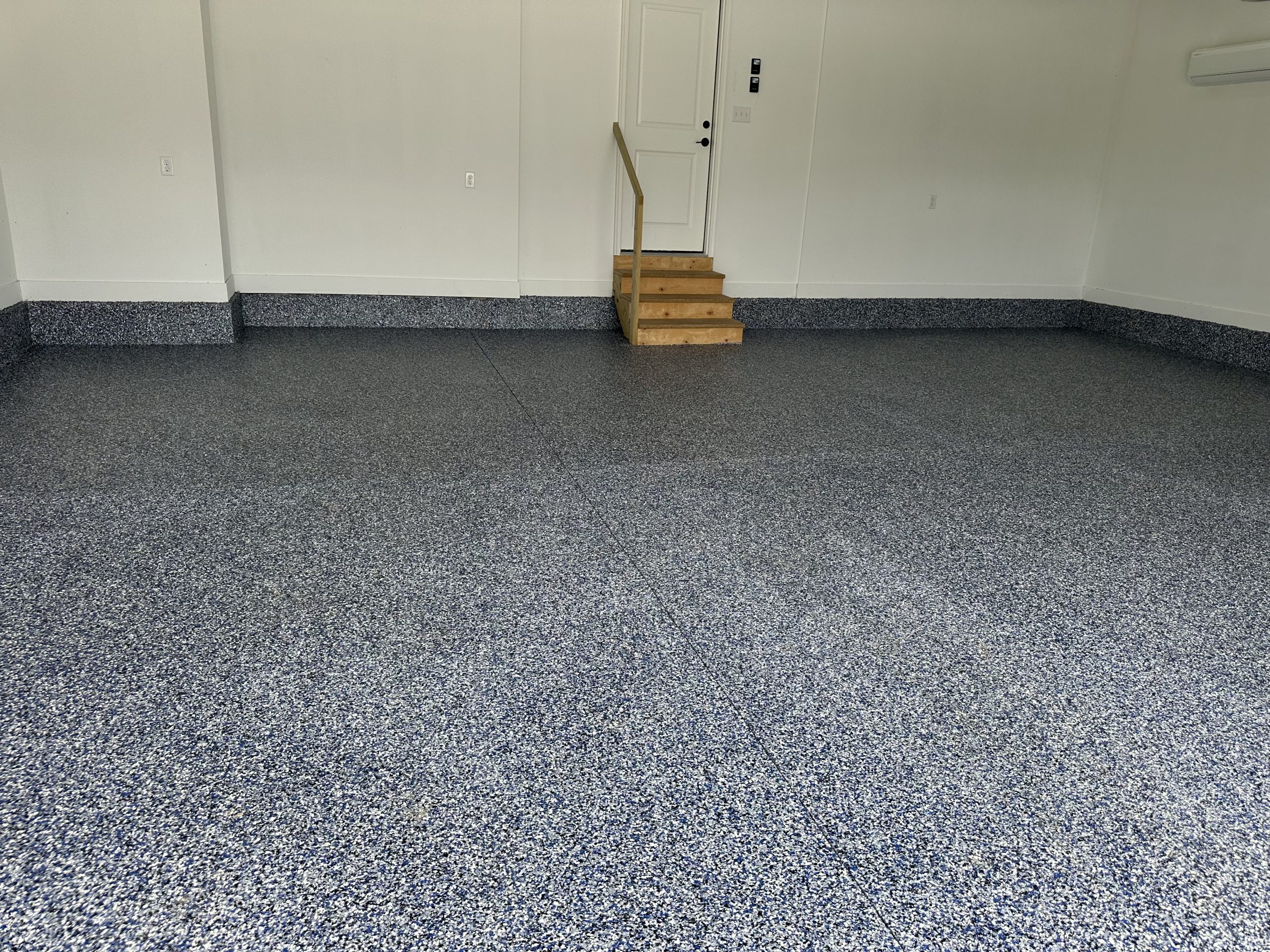
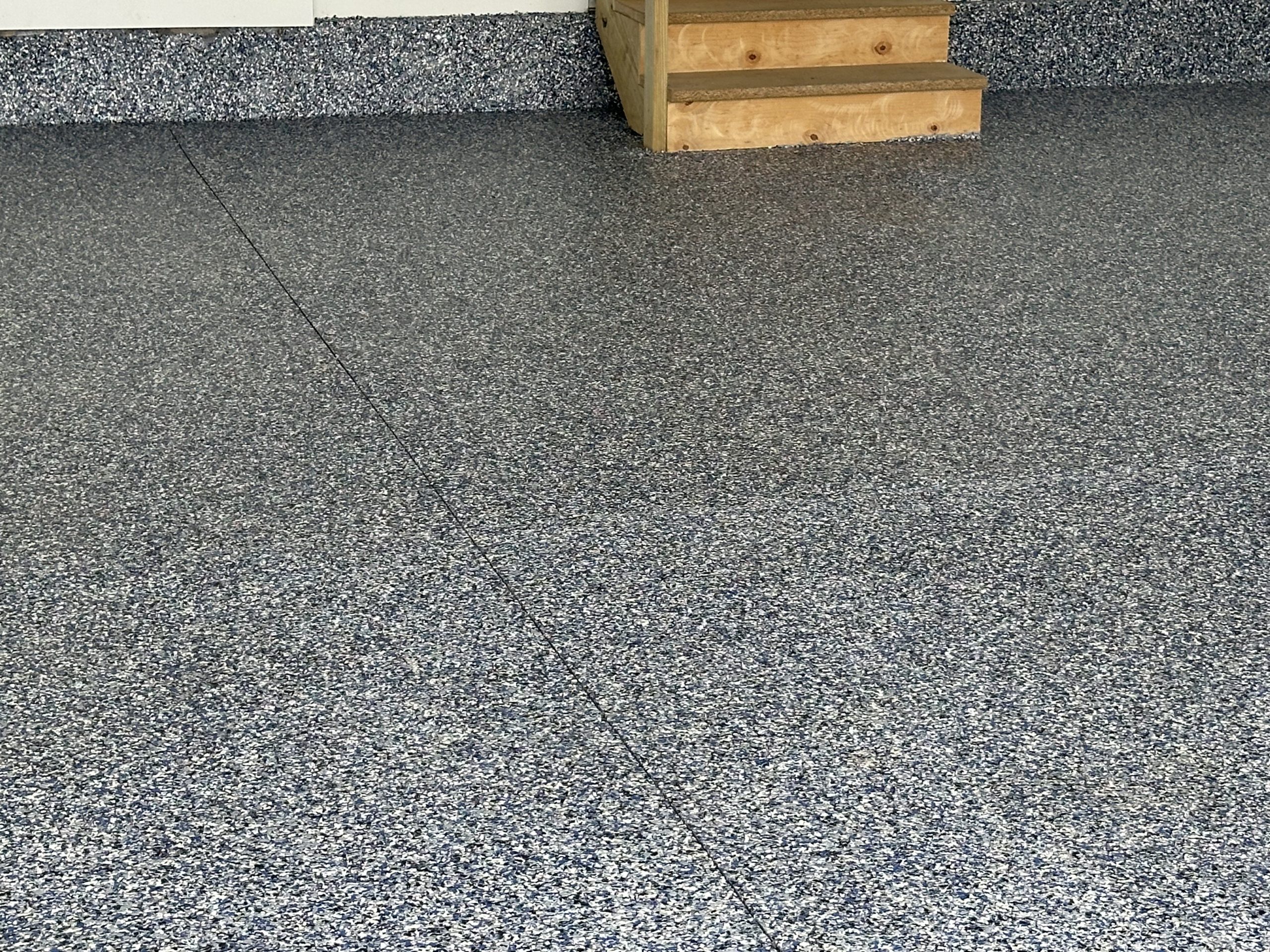
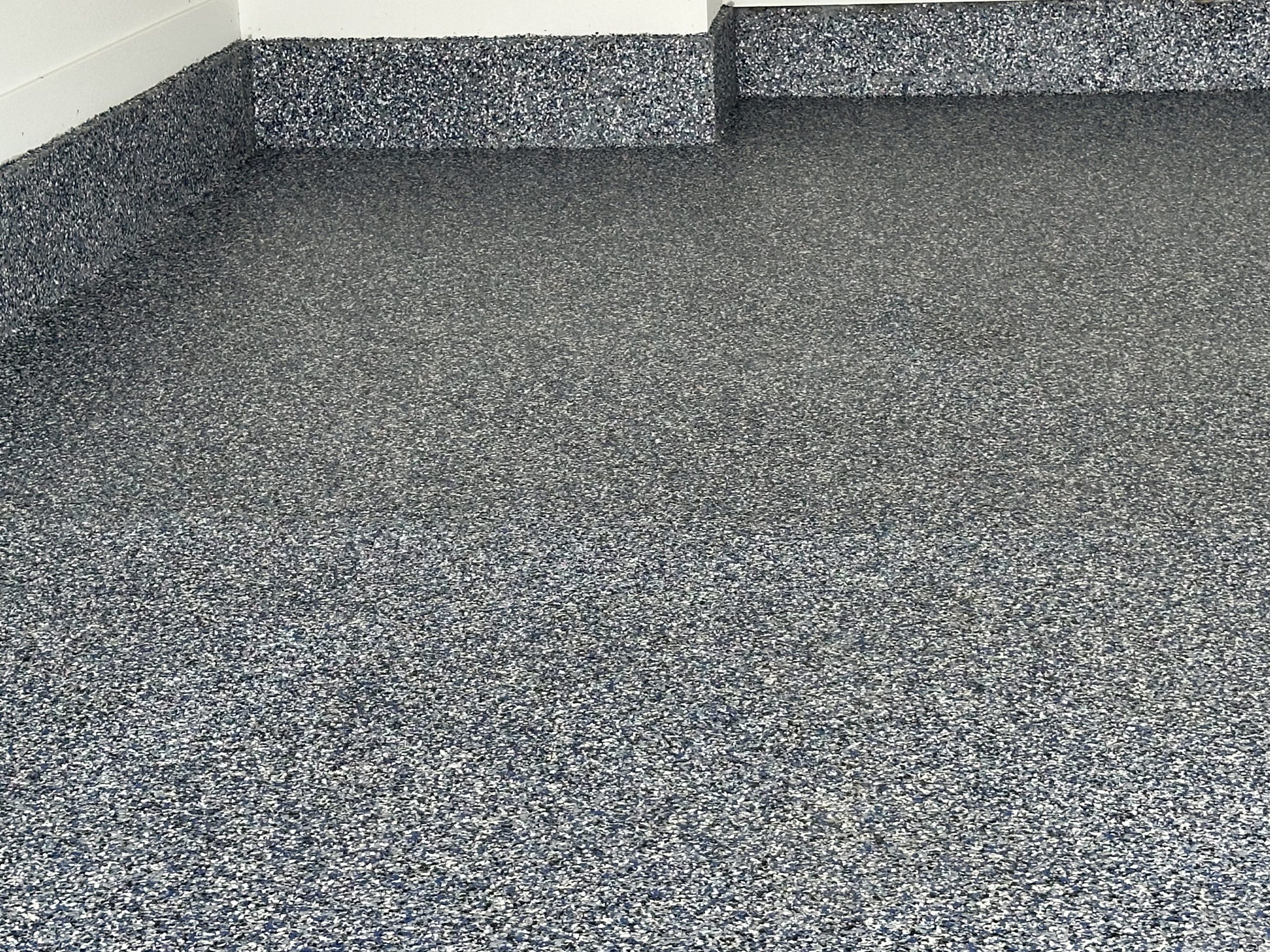
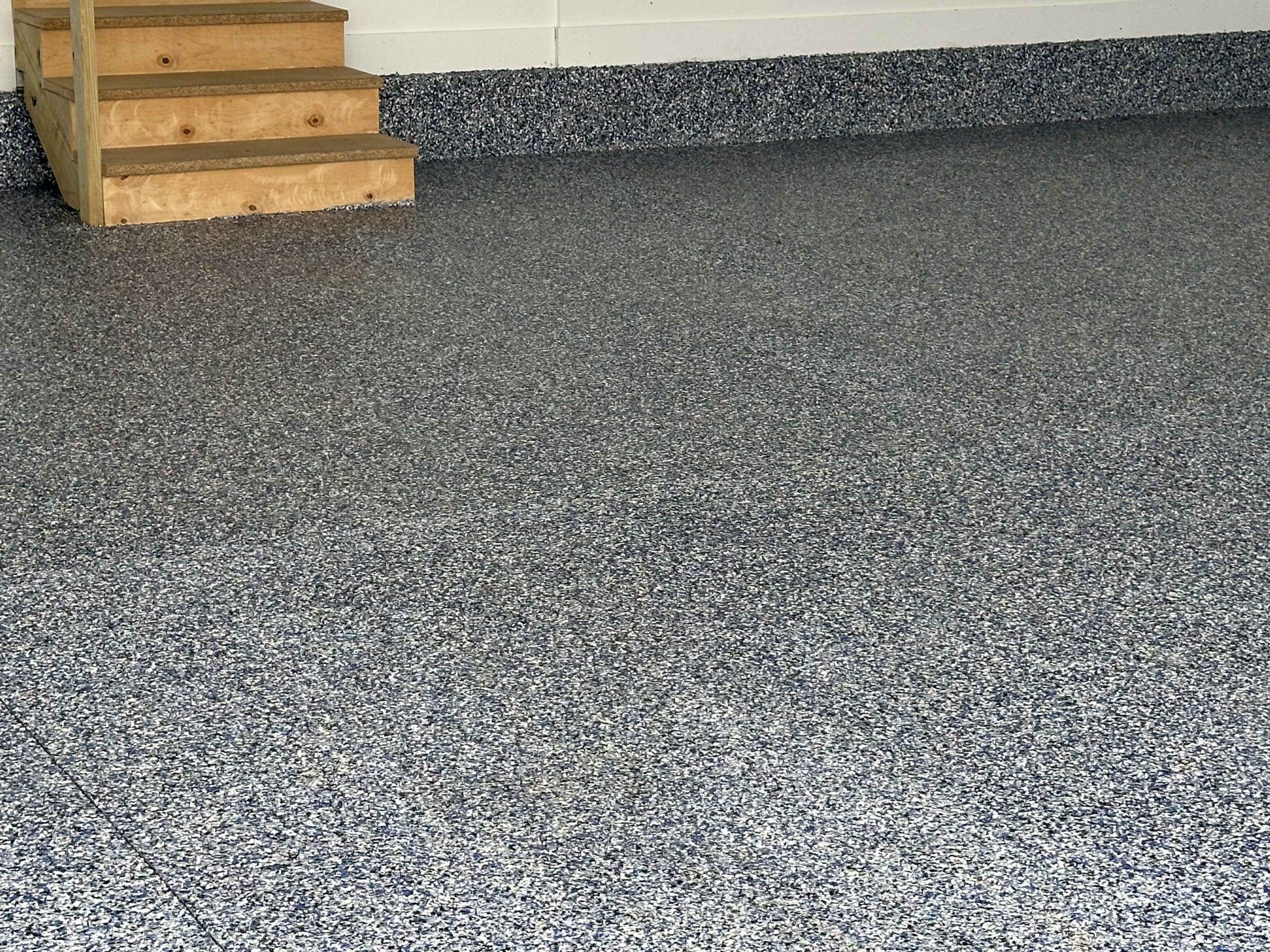
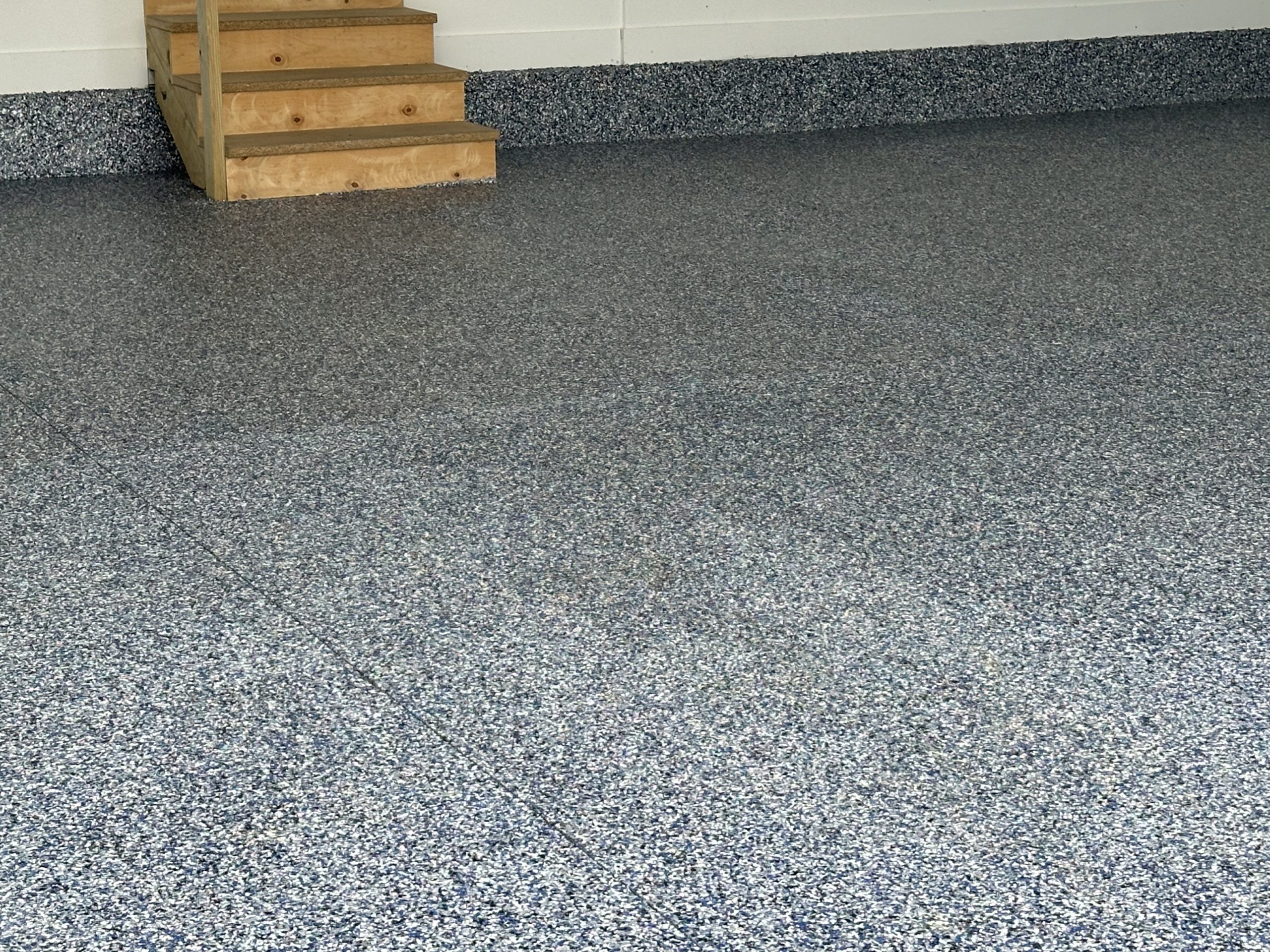
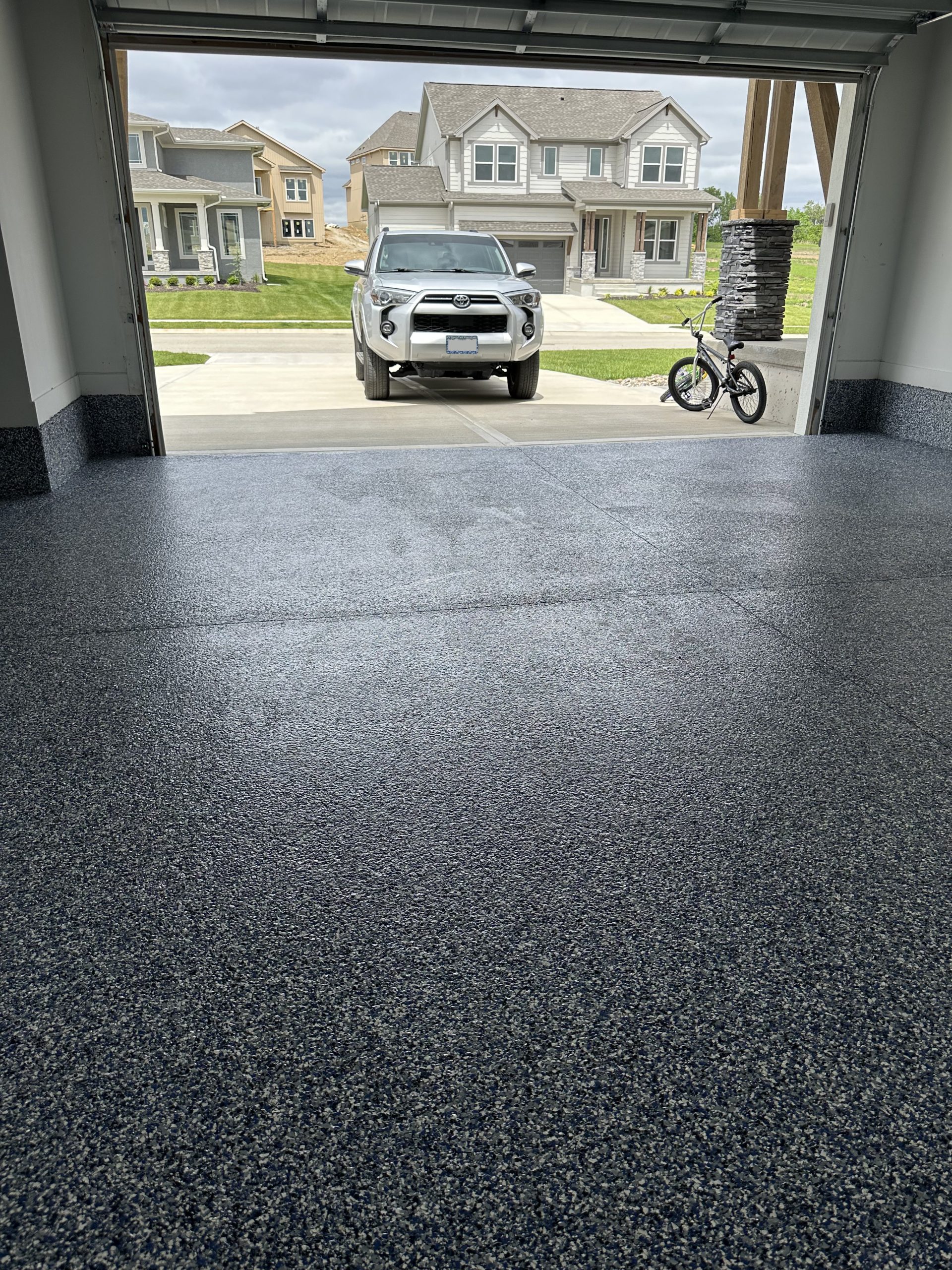
These photos document the finished condition after the coating cured and the garage could be inspected closely. This gallery shows the defects Ryan and Katie believe were caused by improper installation and poor workmanship.
The photos show rough and sharp texture, protruding flakes, inconsistent coating and flake coverage, messy edges, jagged ledges, poor transitions, areas that appear unfinished or thinly coated, and epoxy/flakes applied onto newly finished trim boards. The stem walls and ledges are especially problematic because those areas are rough, uneven, sharp, and difficult to correct.
The finished result is not simply a matter of personal preference or color selection. The installation created safety, cleaning, appearance, and repair problems throughout the garage. Ryan and Katie paid $3,498.00 for a professional coating job, but the finished condition shown in these photos is not acceptable for that price or for a newly finished residential garage.
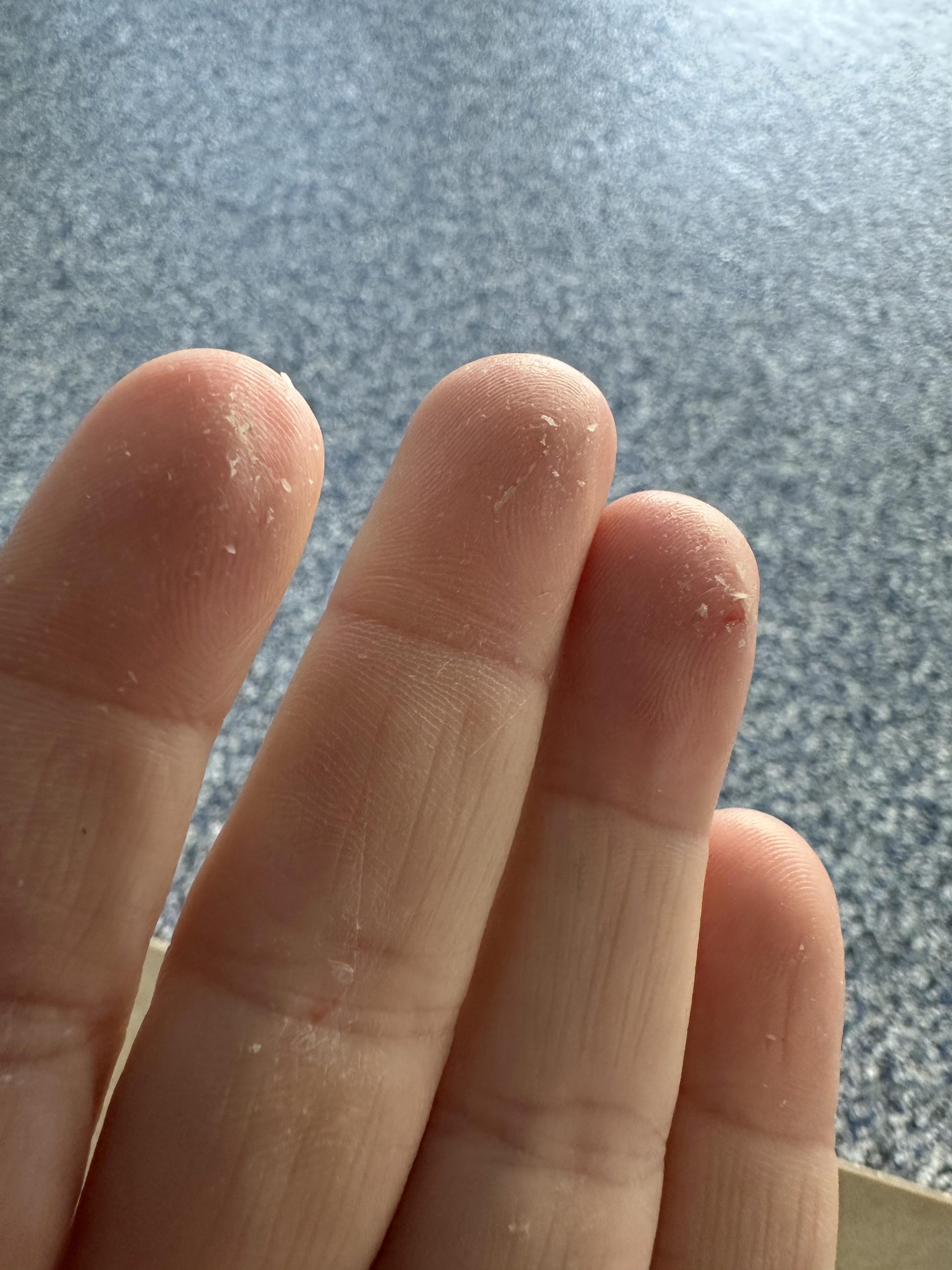
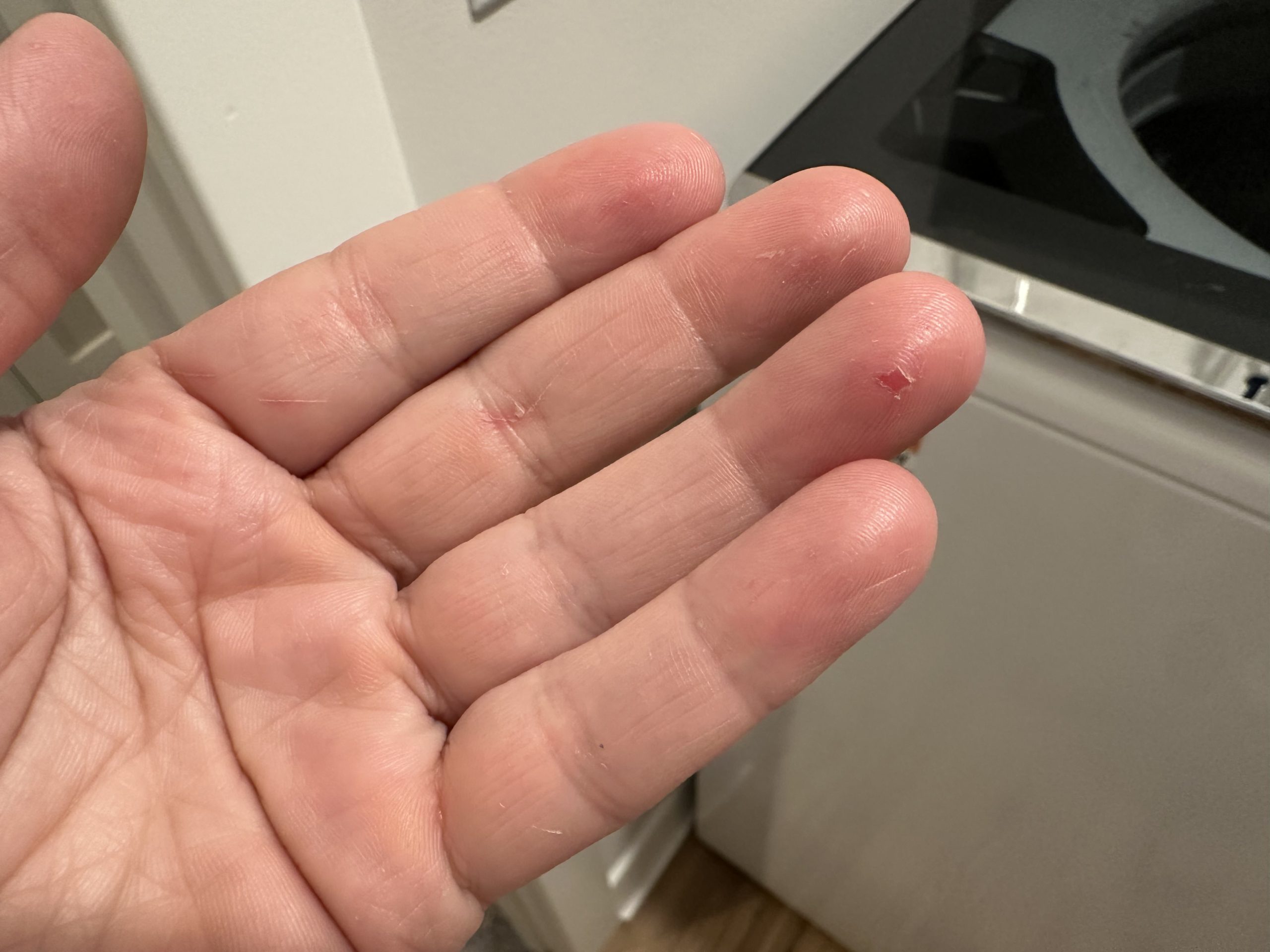
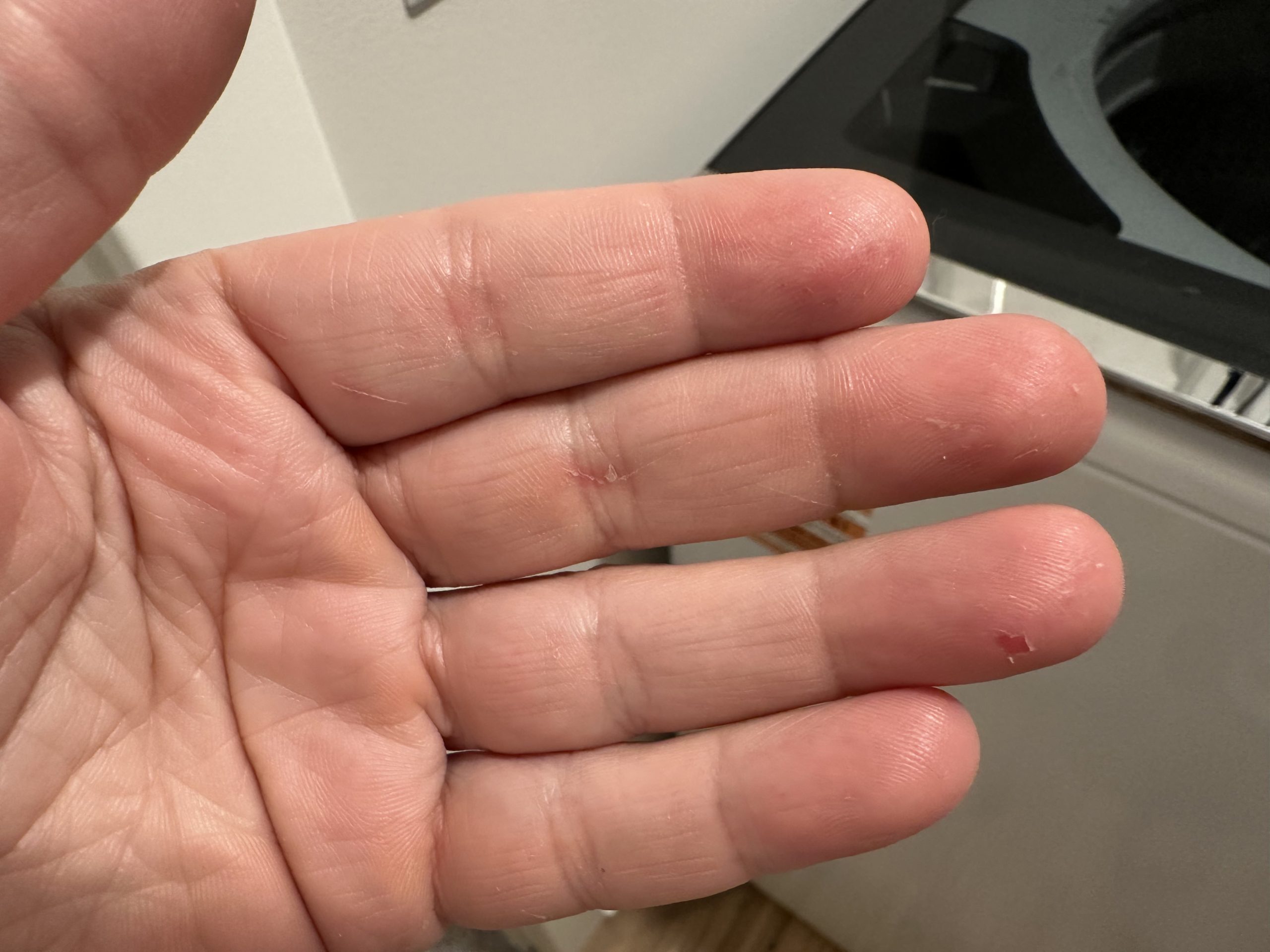
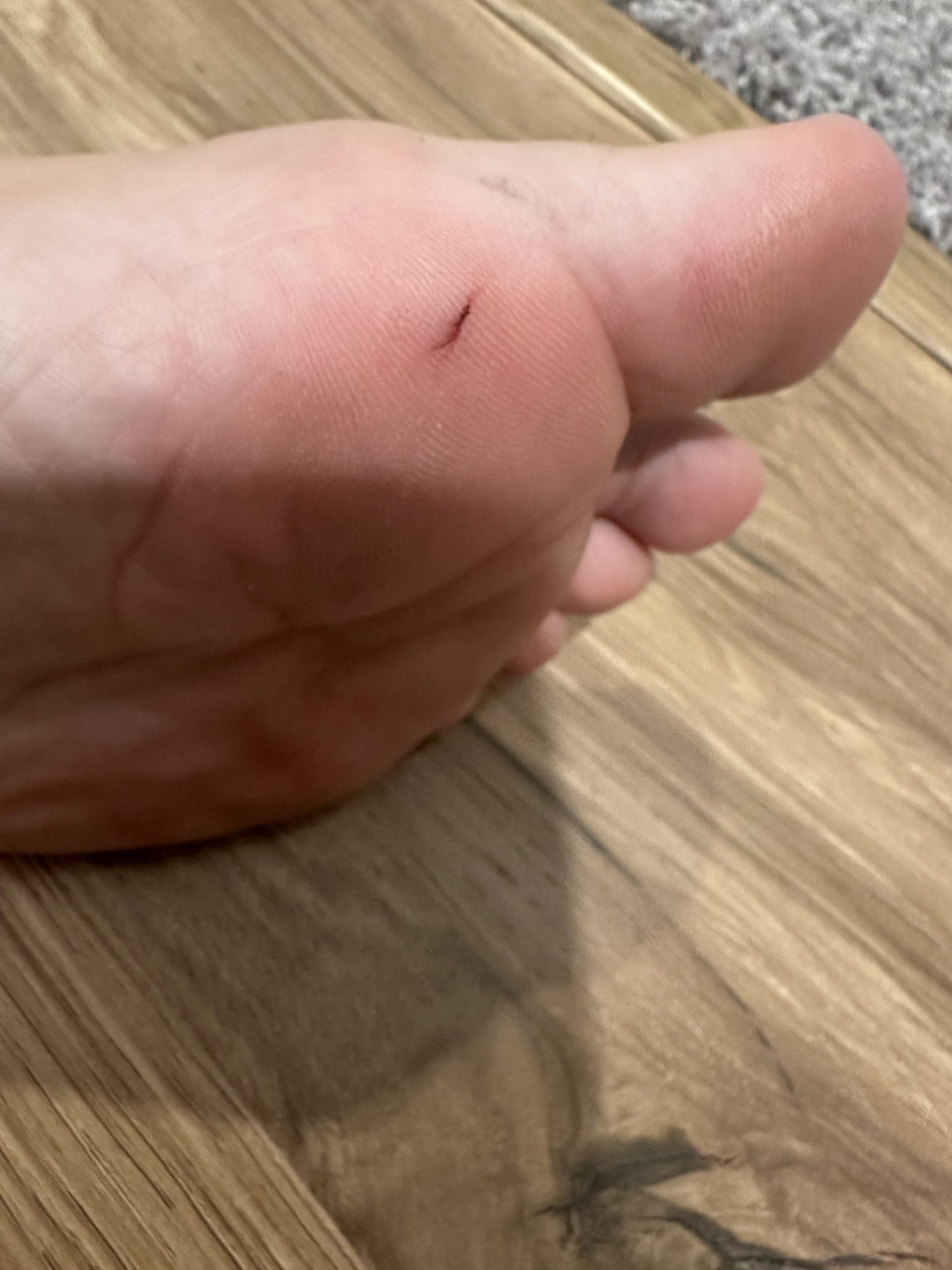
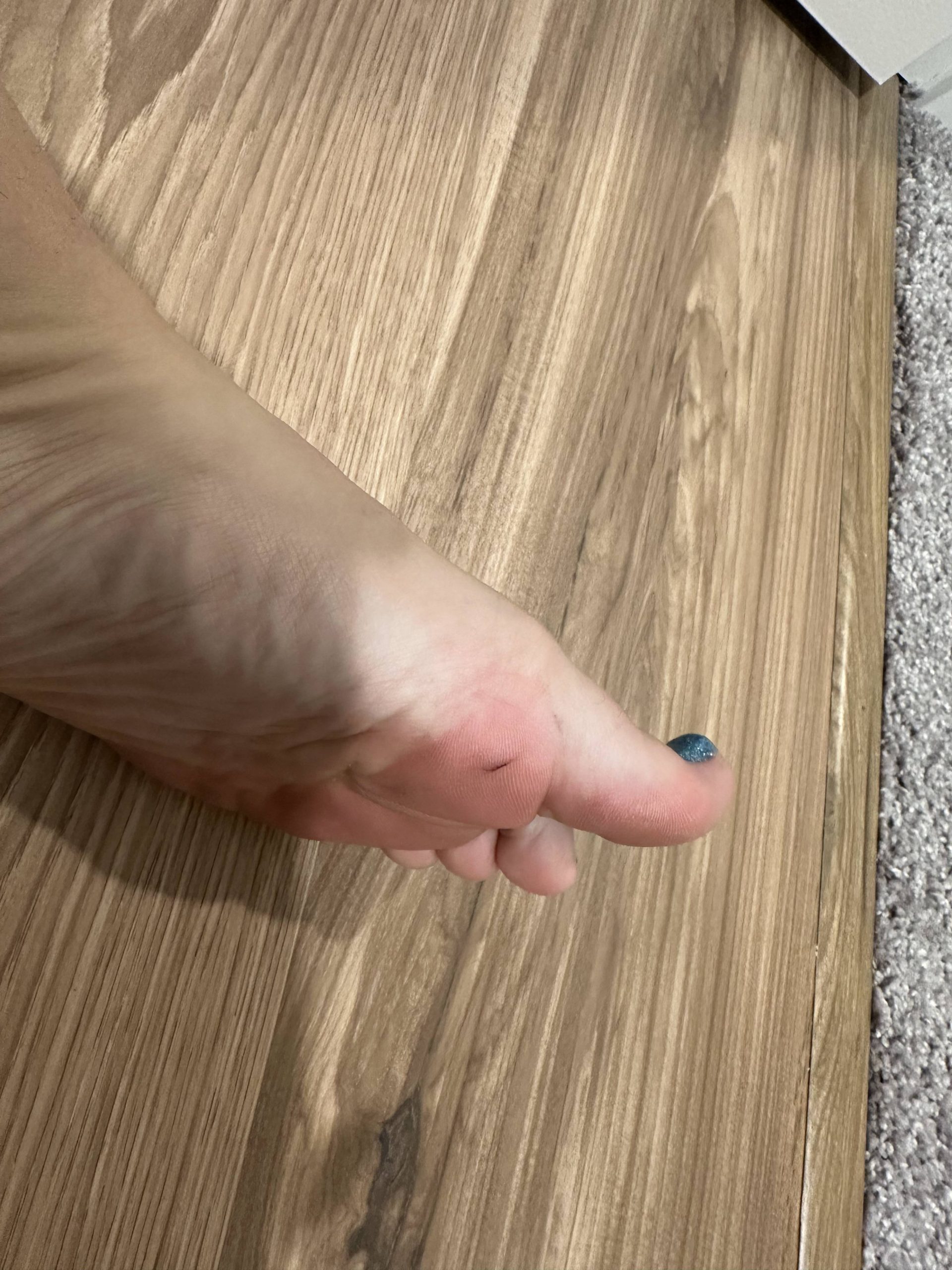
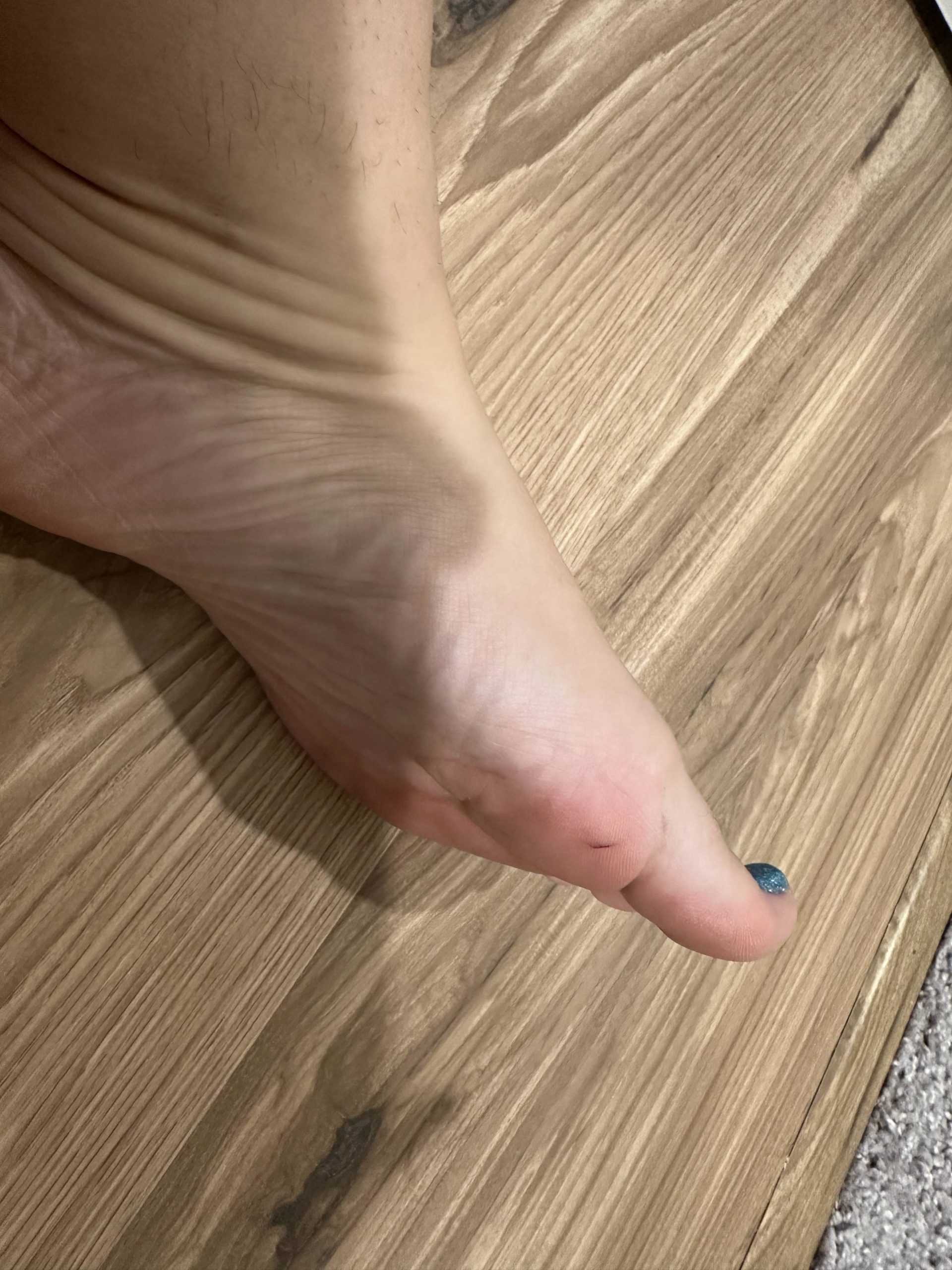
GALLERY 5 – INJURIES RESULTING FROM NORMAL USE
These photos document scratches, cuts, or skin irritation resulting from normal contact with the coated surface after the floor cured. The floor, stem walls, and ledges are not merely textured; they contain sharp protrusions and rough areas that can catch skin during ordinary household use.
A properly installed residential garage floor coating should not cut feet or hands during normal contact. It also should not require work boots just to walk on or interact with the space safely. These injury photos support Ryan and Katie’s concern that the finished surface is unsafe, improperly finished, and not suitable for the garage’s intended use as a clean home office/workspace.
The same roughness that causes scratches and cuts also makes the floor difficult or impractical to clean. Paper towels, rags, mop heads, and similar materials can catch and shred on the sharp coating texture. This makes the surface both unsafe and functionally defective.